
Before Memmo my notes were scattered across PDFs. Now a workspace pulls everything into one place — I see exactly what's still left to study.
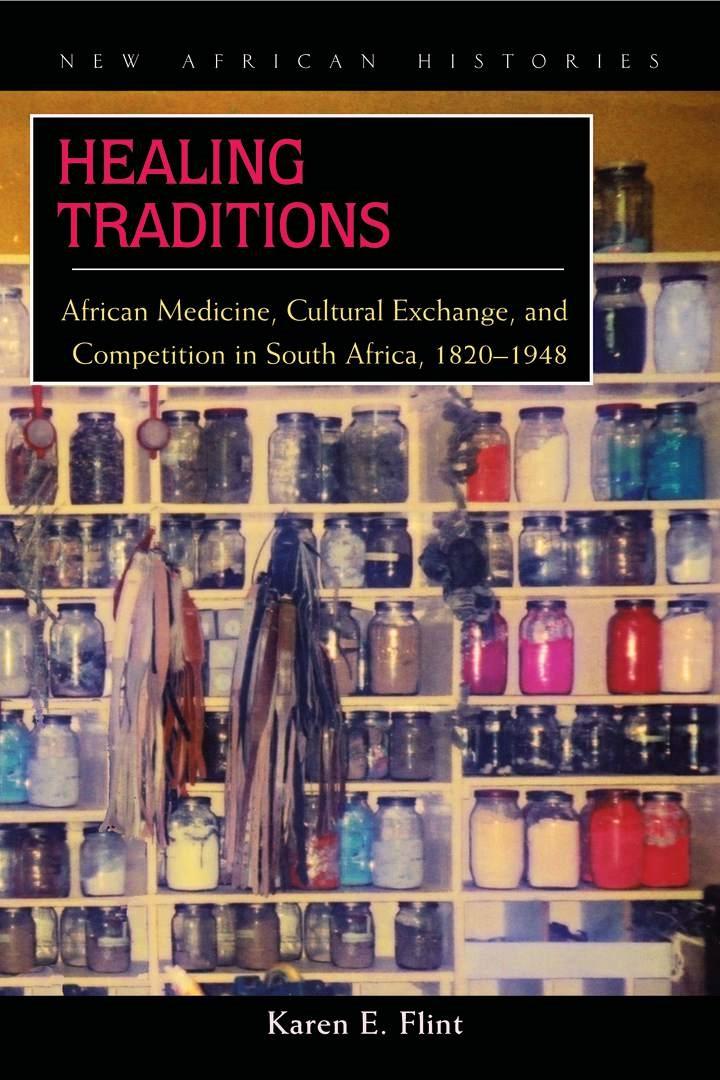
In August 2004, South Africa officially sought to legally recognize the practice of traditional healers. Largely in response to the HIV/AIDS pandemic, and limited both by the number of practitioners and by patients’ access to treatment, biomedical practitioners looked toward the country’s traditional healers as important agents in the development of medical education and treatment. This collaboration has not been easy. The two medical cultures embrace different ideas about the body and the origin of illness, but they do share a history of commercial and ideological competition and different relations to state power. Healing Traditions: African Medicine, Cultural Exchange, and Competition in South Africa, 1820–1948 provides a long-overdue historical perspective to these interactions and an understanding that is vital for the development of medical strategies to effectively deal with South Africa’s healthcare challenges.
Between 1820 and 1948 traditional healers in Natal, South Africa, transformed themselves from politically powerful men and women who challenged colonial rule and law into successful entrepreneurs who competed for turf and patients with white biomedical doctors and pharmacists. To understand what is “traditional” about traditional medicine, Flint argues that we must consider the cultural actors and processes not commonly associated with African therapeutics: white biomedical practitioners, Indian healers, and the implementing of white rule.
Carefully crafted, well written, and powerfully argued, Flint’s analysis of the ways that indigenous medical knowledge and therapeutic practices were forged, contested, and transformed over two centuries is highly illuminating, as is her demonstration that many “traditional” practices changed over time. Her discussion of African and Indian medical encounters opens up a whole new way of thinking about the social basis of health and healing in South Africa. This important book will be core reading for classes and future scholarship on health and healing in Africa.
Before Memmo my notes were scattered across PDFs. Now a workspace pulls everything into one place — I see exactly what's still left to study.
Memmo's summaries are gold before exams. I don't have to re-read 800 pages two weeks before — just the important parts.
The AI chat has saved me the night before an exam more than once. I just keep asking until I get it — no waiting on a study group to reply.
The quizzes hit exactly what I need to know. Memmo tracks what I get stuck on — so I only practice what's worth it.
Flashcards with spaced repetition are magic. Memmo knows when I'm about to forget something and brings it back.
The AI podcasts are my favorite. I listen on my way to school and get a recap without sitting at a computer.

Handbok i kvalitativa metoder
281 kr

Hållbar utveckling: en introduktion för ingenjörer och andra problemlösare
334 kr

Brymans Samhällsvetenskapliga metoder
390 kr

Projektledning
491 kr

Den orättvisa hälsan: om socioekonomiska skillnader i hälsa och livslängd
326 kr

Organizational Leadership
429 kr

Vetenskapsteori för nybörjare
196 kr

På väg mot läraryrket
172 kr

Det sociala livet i skolan: Socialpsykologiska perspektiv
253 kr

Betygsättningens didaktik
151 kr

Personality
402 kr

Studying Leadership
404 kr

Managing Innovation
477 kr

Introduktion till samhällsvetenskaplig metod
347 kr

The Psychology of Sex and Gender
698 kr

Evidens och kunskap för socialt arbete
207 kr

Introduction to Leadership
605 kr