
Before Memmo my notes were scattered across PDFs. Now a workspace pulls everything into one place — I see exactly what's still left to study.
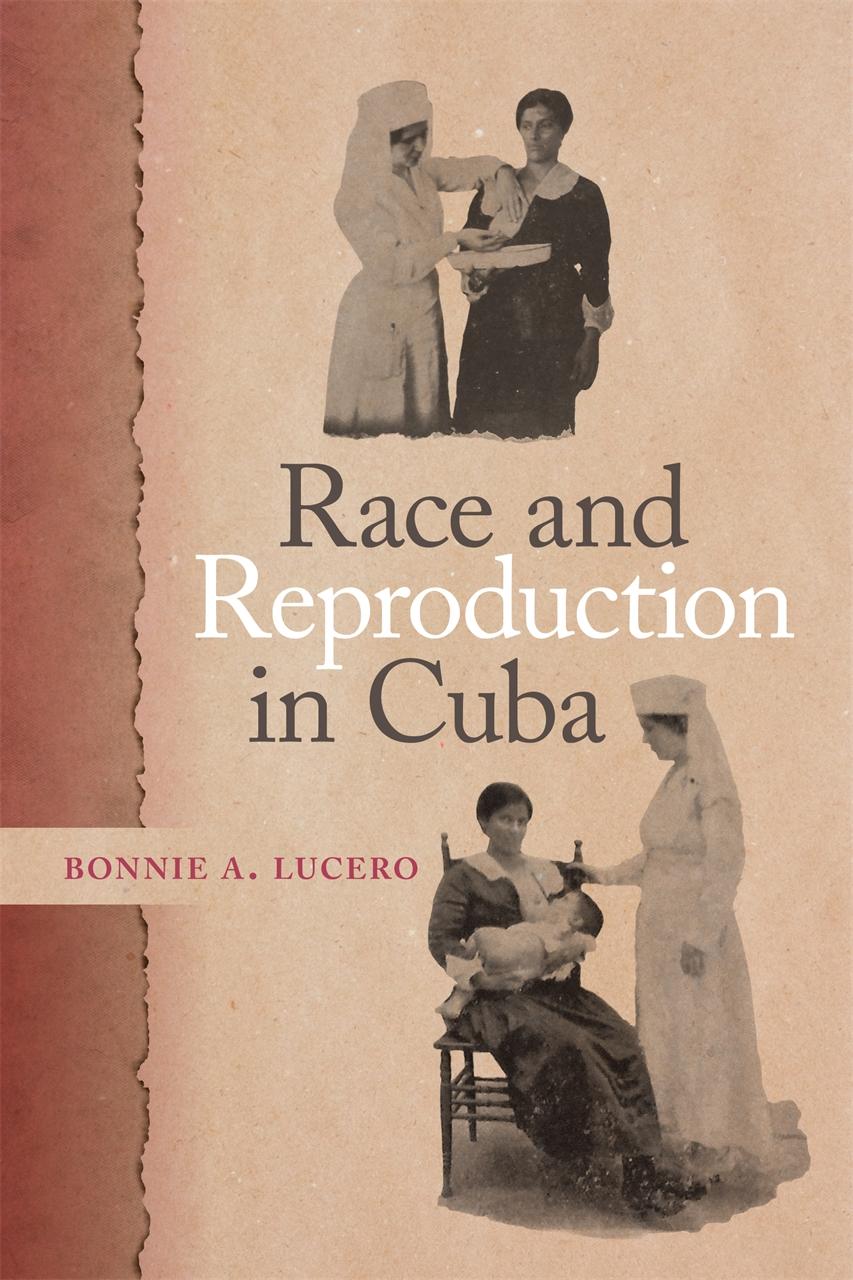
Women’s reproduction, including conception, pregnancy, childbirth, breastfeeding, and other physical acts of motherhood (as well as the rejection of those roles), played a critical role in the evolution and management of Cuba’s population. While existing scholarship has approached Cuba’s demographic history through the lens of migration, both forced and voluntary, Race and Reproduction in Cuba challenges this male-normative perspective by centering women in the first book-length history of reproduction in Cuba.
Bonnie A. Lucero traces women’s reproductive lives, as well as key medical, legal, and institutional interventions influencing them, over four centuries. Her study begins in the early colonial period with the emergence of the island’s first charitable institutions dedicated to relieving poor women and abandoned white infants. The book’s centerpiece is the long nineteenth century, when elite interventions in women’s reproduction hinged not only on race but also legal status. It ends in 1965 when Cuba’s nascent revolutionary government shifted away from enforcing antiabortion laws that had historically targeted impoverished women of color.
Questioning how elite demographic desires—specifically white population growth and nonwhite population management—shaped women’s reproduction, Lucero argues that elite men, including judges, physicians, philanthropists, and public officials, intervened in women’s reproductive lives in racially specific ways. Lucero examines how white supremacy shaped tangible differences in the treatment of women and their infants across racial lines and outlines how those reproductive outcomes were crucial in sustaining racial hierarchies through moments of tremendous political, economic, and social change.
Before Memmo my notes were scattered across PDFs. Now a workspace pulls everything into one place — I see exactly what's still left to study.
Memmo's summaries are gold before exams. I don't have to re-read 800 pages two weeks before — just the important parts.
The AI chat has saved me the night before an exam more than once. I just keep asking until I get it — no waiting on a study group to reply.
The quizzes hit exactly what I need to know. Memmo tracks what I get stuck on — so I only practice what's worth it.
Flashcards with spaced repetition are magic. Memmo knows when I'm about to forget something and brings it back.
The AI podcasts are my favorite. I listen on my way to school and get a recap without sitting at a computer.

Handbok i kvalitativa metoder
281 kr

Hållbar utveckling: en introduktion för ingenjörer och andra problemlösare
334 kr

Brymans Samhällsvetenskapliga metoder
390 kr

Projektledning
491 kr

Den orättvisa hälsan: om socioekonomiska skillnader i hälsa och livslängd
326 kr

Organizational Leadership
429 kr

Vetenskapsteori för nybörjare
196 kr

På väg mot läraryrket
172 kr

Det sociala livet i skolan: Socialpsykologiska perspektiv
253 kr

Betygsättningens didaktik
151 kr

Personality
402 kr

Studying Leadership
404 kr

Managing Innovation
477 kr

Introduktion till samhällsvetenskaplig metod
347 kr

The Psychology of Sex and Gender
698 kr

Evidens och kunskap för socialt arbete
207 kr

Introduction to Leadership
605 kr