
Before Memmo my notes were scattered across PDFs. Now a workspace pulls everything into one place — I see exactly what's still left to study.
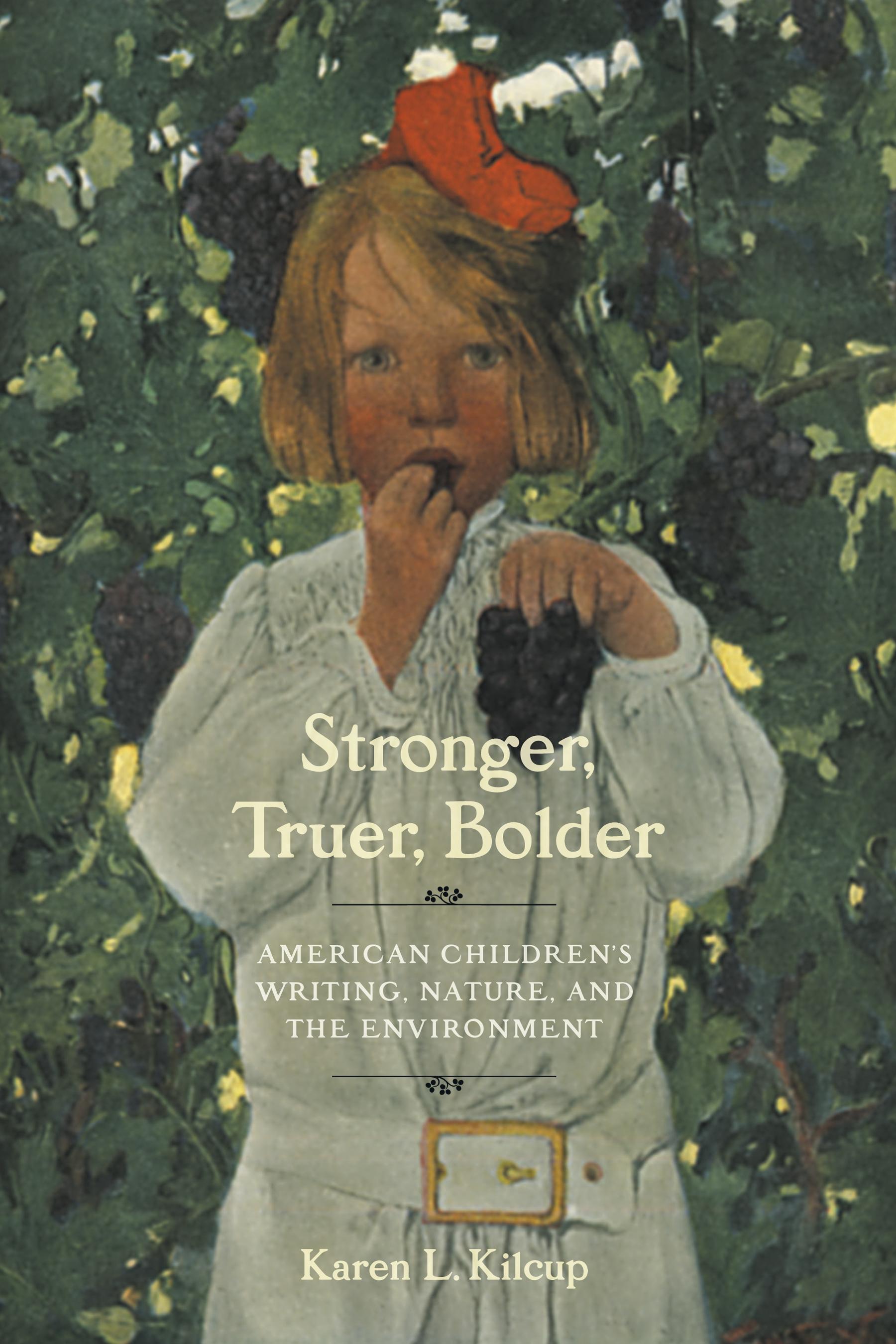
Virtually every famous nineteenth-century writer (Harriet Beecher Stowe, Nathaniel Hawthorne, Ralph Waldo Emerson)— and many not so famous—wrote literature for children; many contributed regularly to children’s periodicals, and many entered the field of nature writing, responding to and forwarding the century’s huge social and cultural changes. Appreciating America’s unique natural wonders dovetailed with children’s growth as citizens, but children’s journals often exceeded a pedagogical purpose, intending also to entertain and delight. Though these volumes aimed at a relatively conservative and mostly white, middle-class, and affluent audience, some selections allowed both children and their parents room for imaginative escape from restrictive social norms.
Covering a period that initially regarded children’s natural bodies as laboring resources, Stronger, Truer, Bolder traces the shifting pedagogical impulse surrounding nature and the environment through the transformations that included America’s nineteenth century emergence as an industrial power. Karen L. Kilcup shows how children’s literature mirrored those changes in various ways. In its earliest incarnations, it taught children (and their parents) facts about the natural world and about proper behavior vis-à-vis both human and nonhuman others. More significantly, as periodical writing for children advanced, this literature increasingly promoted children’s environmental agency and envisioned their potential influence on concerns ranging from animal rights and interspecies equity to conservation and environmental justice. Such understanding of and engagement with nature not only propelled children toward ethical adulthood but also formed a foundation for responsible American citizenship.
Before Memmo my notes were scattered across PDFs. Now a workspace pulls everything into one place — I see exactly what's still left to study.
Memmo's summaries are gold before exams. I don't have to re-read 800 pages two weeks before — just the important parts.
The AI chat has saved me the night before an exam more than once. I just keep asking until I get it — no waiting on a study group to reply.
The quizzes hit exactly what I need to know. Memmo tracks what I get stuck on — so I only practice what's worth it.
Flashcards with spaced repetition are magic. Memmo knows when I'm about to forget something and brings it back.
The AI podcasts are my favorite. I listen on my way to school and get a recap without sitting at a computer.

Handbok i kvalitativa metoder
281 kr

Hållbar utveckling: en introduktion för ingenjörer och andra problemlösare
334 kr

Brymans Samhällsvetenskapliga metoder
390 kr

Projektledning
491 kr

Den orättvisa hälsan: om socioekonomiska skillnader i hälsa och livslängd
326 kr

Organizational Leadership
429 kr

Vetenskapsteori för nybörjare
196 kr

På väg mot läraryrket
172 kr

Det sociala livet i skolan: Socialpsykologiska perspektiv
253 kr

Betygsättningens didaktik
151 kr

Personality
402 kr

Studying Leadership
404 kr

Managing Innovation
477 kr

Introduktion till samhällsvetenskaplig metod
347 kr

The Psychology of Sex and Gender
698 kr

Evidens och kunskap för socialt arbete
207 kr

Introduction to Leadership
605 kr