
Before Memmo my notes were scattered across PDFs. Now a workspace pulls everything into one place — I see exactly what's still left to study.
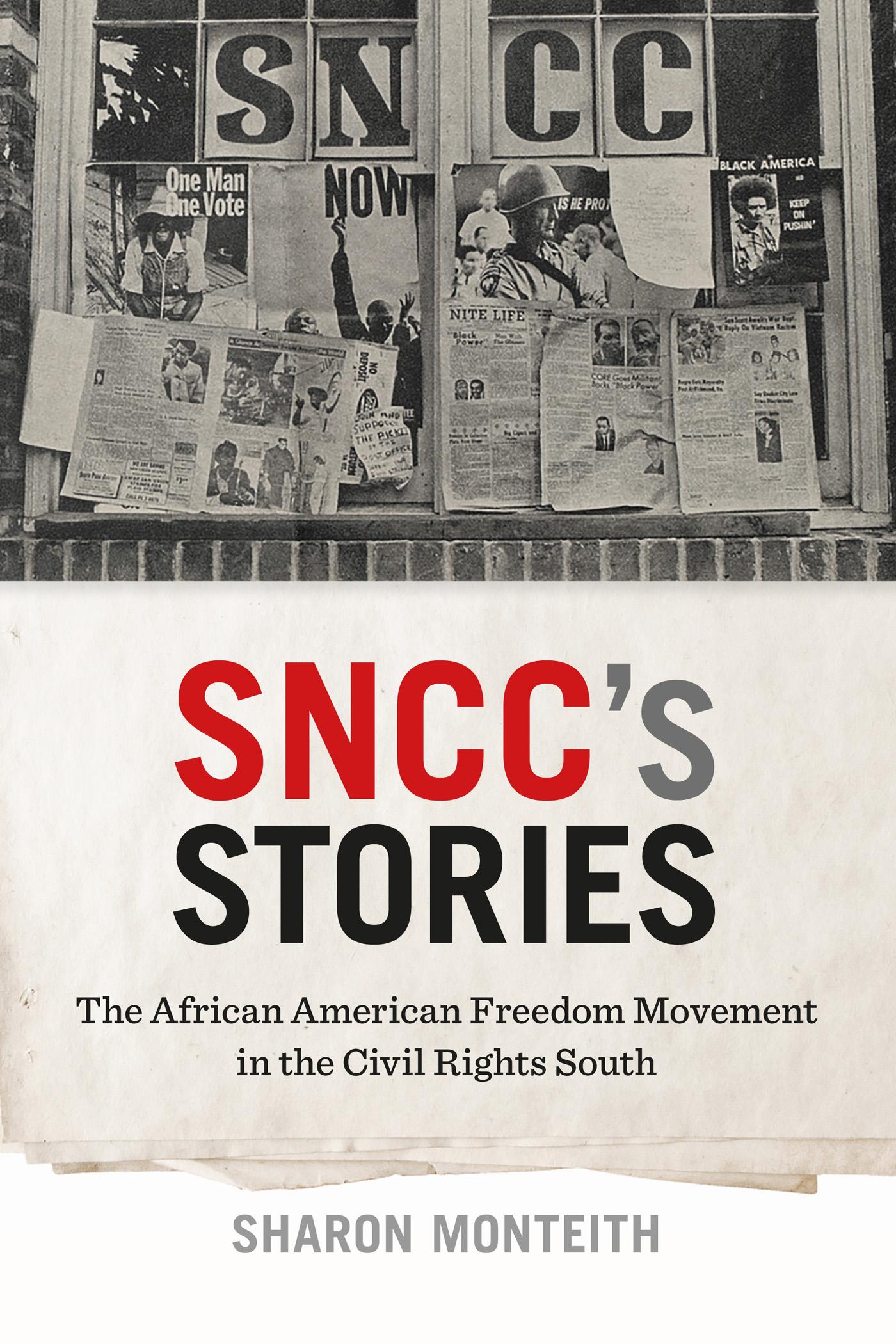
Formed in 1960 in Raleigh, North Carolina, the Student Non-violent Coordinating Committee (SNCC) was a high-profile civil rights collective led by young people. For Howard Zinn in 1964, SNCC members were “new abolitionists,” but SNCC pursued radical initiatives and Black Power politics in addition to reform. It was committed to grassroots organizing in towns and rural communities, facilitating voter registration and direct action through “projects” embedded in Freedom Houses, especially in the South: the setting for most of SNCC’s stories. Over time, it changed from a tight cadre into a disparate group of many constellations but stood out among civil rights organizations for its participatory democracy and emphasis on local people deciding the terms of their battle for social change. Organizers debated their role and grappled with SNCC’s responsibility to communities, to the “walking wounded” damaged by racial terrorism, and to individuals who died pursuing racial justice.
SNCC’s Stories examines the organization’s print and publishing culture, uncovering how fundamental self- and group narration is for the undersung heroes of social movements. The organizer may be SNCC’s dramatis persona, but its writers have been overlooked. In the 1960s it was assumed established literary figures would write about civil rights, and until now, critical attention has centered on the Black Arts Movement, neglecting what SNCC’s writers contributed. Sharon Monteith gathers hard-to-find literature where the freedom movement in the civil rights South is analyzed as subjective history and explored imaginatively. SNCC’s print culture consists of field reports, pamphlets, newsletters, fiction, essays, poetry, and plays, which serve as intimate and illuminative sources for understanding political action. SNCC's literary history contributes to the organization's legacy.
Before Memmo my notes were scattered across PDFs. Now a workspace pulls everything into one place — I see exactly what's still left to study.
Memmo's summaries are gold before exams. I don't have to re-read 800 pages two weeks before — just the important parts.
The AI chat has saved me the night before an exam more than once. I just keep asking until I get it — no waiting on a study group to reply.
The quizzes hit exactly what I need to know. Memmo tracks what I get stuck on — so I only practice what's worth it.
Flashcards with spaced repetition are magic. Memmo knows when I'm about to forget something and brings it back.
The AI podcasts are my favorite. I listen on my way to school and get a recap without sitting at a computer.

Handbok i kvalitativa metoder
281 kr

Hållbar utveckling: en introduktion för ingenjörer och andra problemlösare
334 kr

Brymans Samhällsvetenskapliga metoder
390 kr

Projektledning
491 kr

Den orättvisa hälsan: om socioekonomiska skillnader i hälsa och livslängd
326 kr

Vetenskapsteori för nybörjare
196 kr

Organizational Leadership
429 kr

På väg mot läraryrket
172 kr

Det sociala livet i skolan: Socialpsykologiska perspektiv
253 kr

Betygsättningens didaktik
151 kr

Personality
402 kr

Studying Leadership
404 kr

Managing Innovation
477 kr

Introduktion till samhällsvetenskaplig metod
347 kr

The Psychology of Sex and Gender
698 kr

Evidens och kunskap för socialt arbete
207 kr

Introduction to Leadership
605 kr