
Before Memmo my notes were scattered across PDFs. Now a workspace pulls everything into one place — I see exactly what's still left to study.
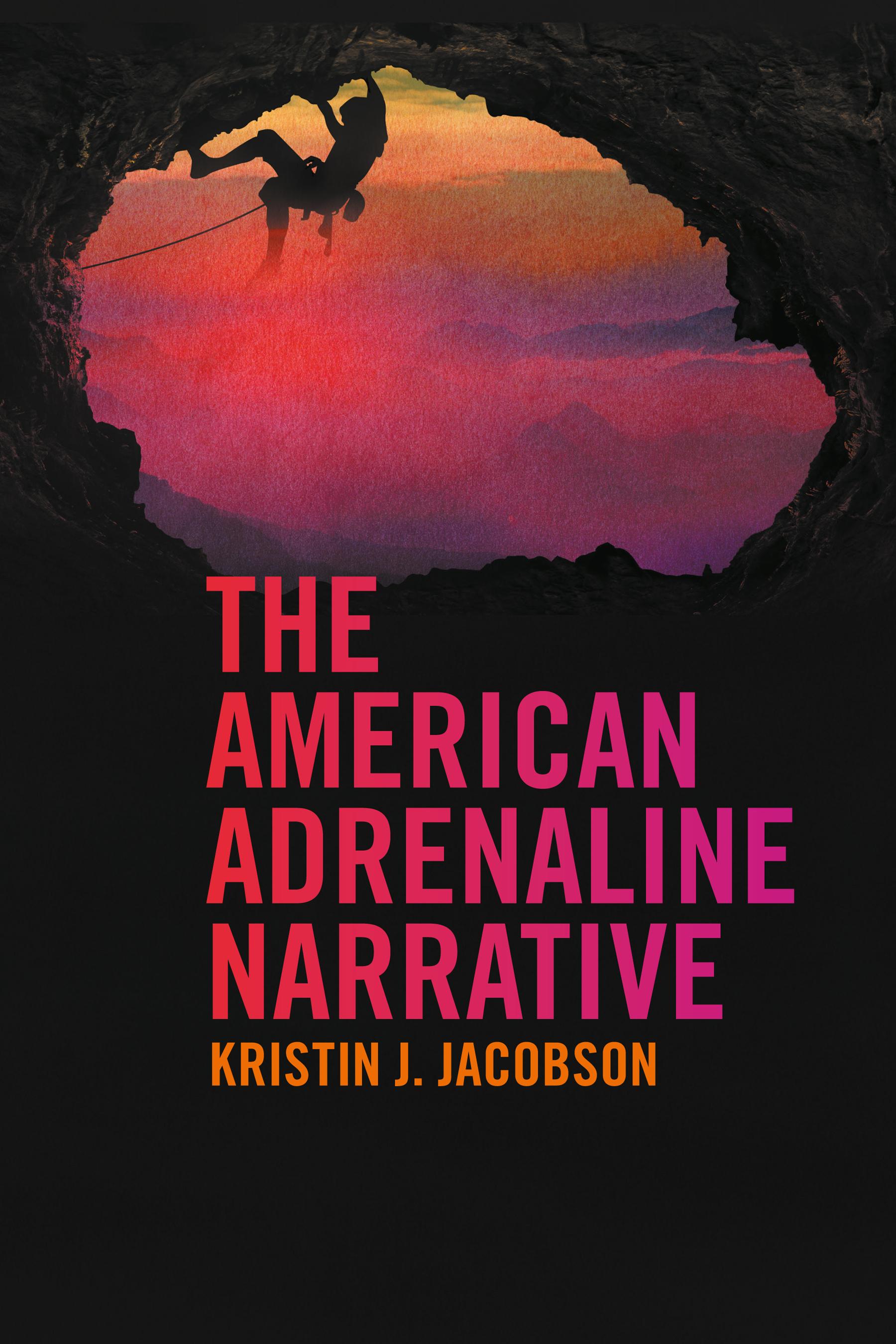
The American Adrenaline Narrative considers the nature of perilous outdoor adventure tales, their gendered biases, and how they simultaneously promote and hinder ecological sustainability. To explore these themes, Kristin J. Jacobson defines and compares adrenaline narratives by a range of American authors published after the first Earth Day in 1970, a time frame selected as a watershed moment for the contemporary American environmental movement. The forty-plus years since that day also mark the rise in the popularity and marketing of many things as “extreme,” including sports, jobs, travel, beverages, gum, makeovers, laundry detergent, and even the environmental movement itself.
Jacobson maps the American eco-imagination via adrenaline narratives, grounding them in the traditional literary practice of close reading analysis and in ecofeminism. She surveys a range of popular and lesser-known primary texts by American authors, including best-selling books, such as Jon Krakauer’s Into Thin Air and Aron Ralston’s Between a Rock and a Hard Place, and lesser-known texts, such as Patricia C. McCairen’s Canyon Solitude, Eddy L. Harris’s Mississippi Solo, and Stacy Allison’s Beyond the Limits. She also discusses such narratives as they appear in print and online articles and magazines, feature-length and short films, television shows, amateur videos, social networking site posts, fiction, advertising, and blogs.
Jacobson contends that these stories constitute a distinctive genre because—unlike traditional nature, travel, and sports writing— adrenaline narratives sustain heightened risk or the element of the “extreme” within a natural setting. Additionally, these narratives provide important insight into the American environmental imagination’s connection to masculinity and adventure—knowledge that helps us grasp the current climate crisis and how narrative understanding provides a needed intervention.
Before Memmo my notes were scattered across PDFs. Now a workspace pulls everything into one place — I see exactly what's still left to study.
Memmo's summaries are gold before exams. I don't have to re-read 800 pages two weeks before — just the important parts.
The AI chat has saved me the night before an exam more than once. I just keep asking until I get it — no waiting on a study group to reply.
The quizzes hit exactly what I need to know. Memmo tracks what I get stuck on — so I only practice what's worth it.
Flashcards with spaced repetition are magic. Memmo knows when I'm about to forget something and brings it back.
The AI podcasts are my favorite. I listen on my way to school and get a recap without sitting at a computer.

Handbok i kvalitativa metoder
281 kr

Hållbar utveckling: en introduktion för ingenjörer och andra problemlösare
334 kr

Brymans Samhällsvetenskapliga metoder
390 kr

Projektledning
491 kr

Den orättvisa hälsan: om socioekonomiska skillnader i hälsa och livslängd
326 kr

Vetenskapsteori för nybörjare
196 kr

Organizational Leadership
429 kr

På väg mot läraryrket
172 kr

Det sociala livet i skolan: Socialpsykologiska perspektiv
253 kr

Betygsättningens didaktik
151 kr

Personality
402 kr

Studying Leadership
404 kr

Managing Innovation
477 kr

Introduktion till samhällsvetenskaplig metod
347 kr

The Psychology of Sex and Gender
698 kr

Evidens och kunskap för socialt arbete
207 kr

Introduction to Leadership
605 kr