
Before Memmo my notes were scattered across PDFs. Now a workspace pulls everything into one place — I see exactly what's still left to study.
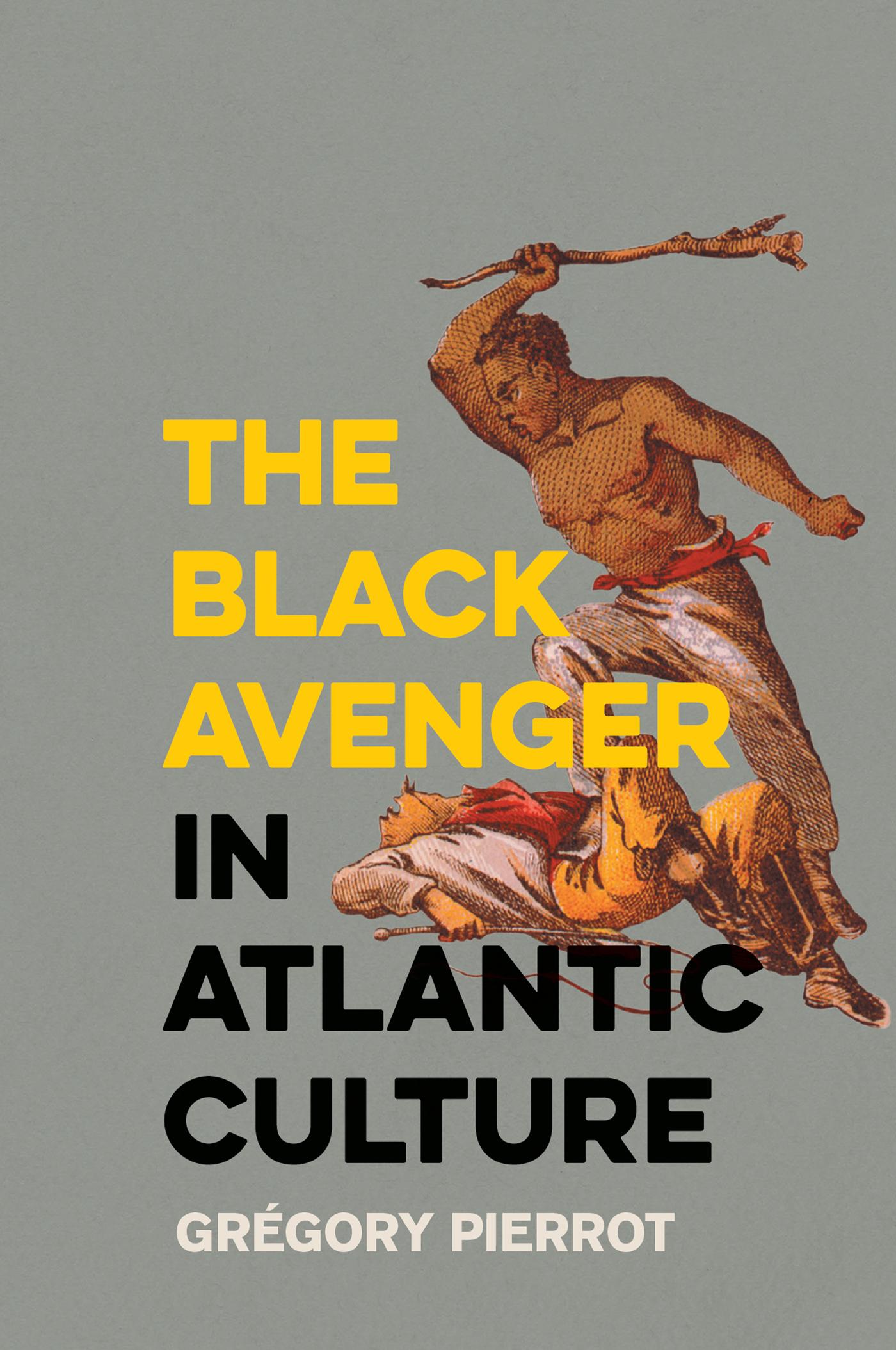
With the Ta-Nehisi Coates–authored Black Panther comic book series (2016); recent films Django Unchained (2012) and The Birth of a Nation (2016); Nate Parker’s cinematic imagining of the Nat Turner rebellion; and screen adaptations of Marvel’s Luke Cage (2016) and Black Panther (2018); violent black redeemers have rarely been so present in mainstream Western culture. Grégory Pierrot argues, however, that the black avenger has always been with us: the trope has fired the news and imaginations of the United States and the larger Atlantic World for three centuries.
The black avenger channeled fresh anxieties about slave uprisings and racial belonging occasioned by European colonization in the Americas. Even as he is portrayed as a heathen and a barbarian, his values—honor, loyalty, love—reflect his ties to the West. Yet being racially different, he cannot belong, and his qualities in turn make him an anomaly among black people. The black avenger is thus a liminal figure defining racial borders. Where his body lies, lies the color line. Regularly throughout the modern era and to this day, variations on the trope have contributed to defining race in the Atlantic World and thwarting the constitution of a black polity.
Pierrot’s The Black Avenger in Atlantic Culture studies this cultural history, examining a multicultural and cross-historical network of print material including fiction, drama, poetry, news, and historical writing as well as visual culture. It tracks the black avenger trope from its inception in the seventeenth century to the U.S. occupation of Haiti in 1915. Pierrot argues that this Western archetype plays an essential role in helping exclusive, hostile understandings of racial belonging become normalized in the collective consciousness of Atlantic nations. His study follows important articulations of the figure and how it has shifted based on historical and cultural contexts.
Before Memmo my notes were scattered across PDFs. Now a workspace pulls everything into one place — I see exactly what's still left to study.
Memmo's summaries are gold before exams. I don't have to re-read 800 pages two weeks before — just the important parts.
The AI chat has saved me the night before an exam more than once. I just keep asking until I get it — no waiting on a study group to reply.
The quizzes hit exactly what I need to know. Memmo tracks what I get stuck on — so I only practice what's worth it.
Flashcards with spaced repetition are magic. Memmo knows when I'm about to forget something and brings it back.
The AI podcasts are my favorite. I listen on my way to school and get a recap without sitting at a computer.

Handbok i kvalitativa metoder
281 kr

Hållbar utveckling: en introduktion för ingenjörer och andra problemlösare
334 kr

Brymans Samhällsvetenskapliga metoder
390 kr

Projektledning
491 kr

Den orättvisa hälsan: om socioekonomiska skillnader i hälsa och livslängd
326 kr

Vetenskapsteori för nybörjare
196 kr

Organizational Leadership
429 kr

På väg mot läraryrket
172 kr

Det sociala livet i skolan: Socialpsykologiska perspektiv
253 kr

Betygsättningens didaktik
151 kr

Personality
402 kr

Studying Leadership
404 kr

Managing Innovation
477 kr

Introduktion till samhällsvetenskaplig metod
347 kr

The Psychology of Sex and Gender
698 kr

Evidens och kunskap för socialt arbete
207 kr

Introduction to Leadership
605 kr