
Before Memmo my notes were scattered across PDFs. Now a workspace pulls everything into one place — I see exactly what's still left to study.
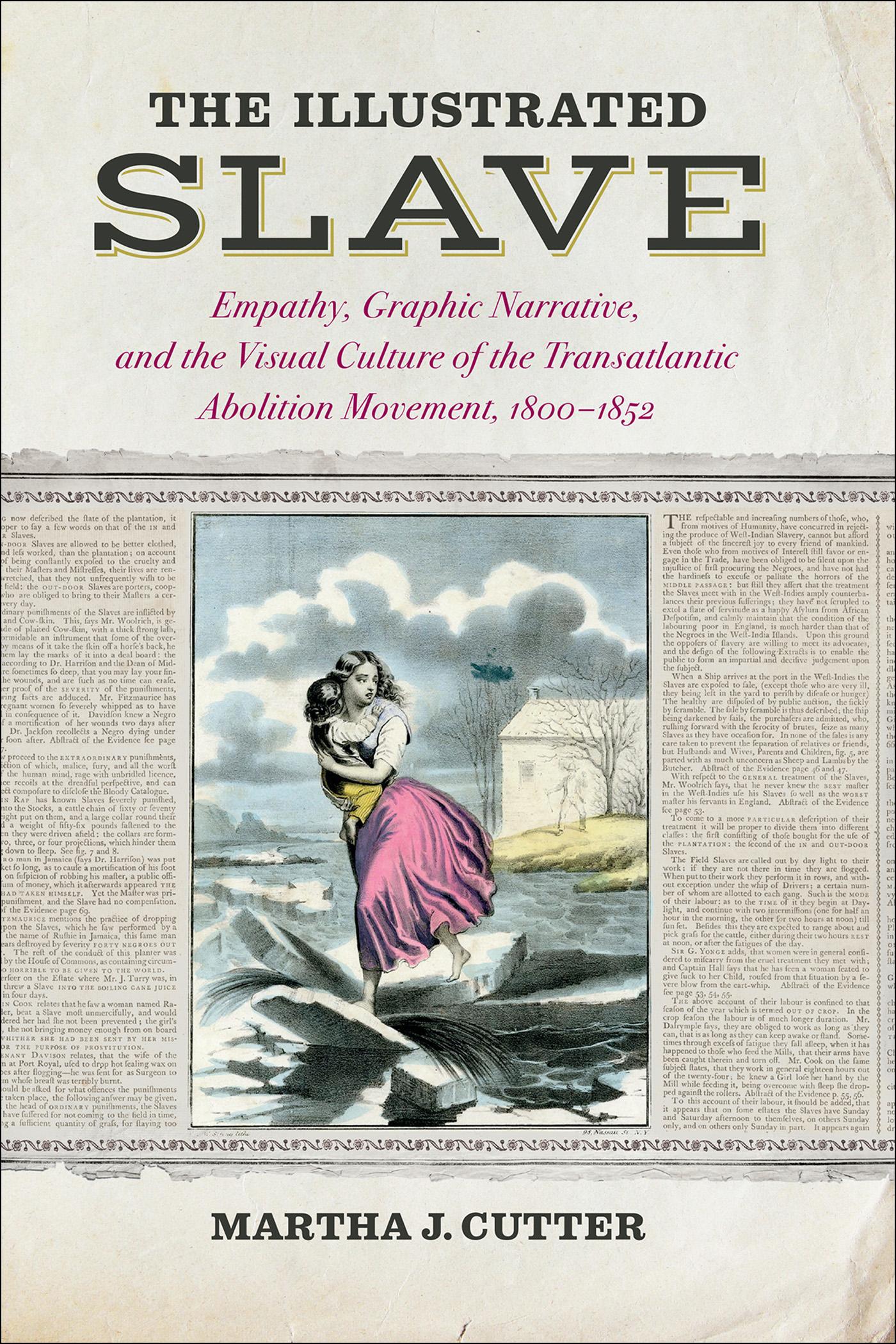
From the 1787 Wedgwood antislavery medallion featuring the image of an enchained and pleading black body to Quentin Tarantino’s Django Unchained (2012) and Steve McQueen’s Twelve Years a Slave (2013), slavery as a system of torture and bondage has fascinated the optical imagination of the transatlantic world. Scholars have examined various aspects of the visual culture that was slavery, including its painting, sculpture, pamphlet campaigns, and artwork. Yet an important piece of this visual culture has gone unexamined: the popular and frequently reprinted antislavery illustrated books published prior to Harriet Beecher Stowe’s Uncle Tom’s Cabin (1852) that were utilized extensively by the antislavery movement in the first half of the nineteenth century.
The Illustrated Slave analyzes some of the more innovative works in the archive of antislavery illustrated books published from 1800 to 1852 alongside other visual materials that depict enslavement. Martha J. Cutter argues that some illustrated narratives attempt to shift a viewing reader away from pity and spectatorship into a mode of empathy and interrelationship with the enslaved. She also contends that some illustrated books characterize the enslaved as obtaining a degree of control over narrative and lived experiences, even if these figurations entail a sense that the story of slavery is beyond representation itself. Through exploration of famous works such as Uncle Tom’s Cabin, as well as unfamiliar ones by Amelia Opie, Henry Bibb, and Henry Box Brown, she delineates a mode of radical empathy that attempts to destroy divisions between the enslaved individual and the free white subject and between the viewer and the viewed.
Before Memmo my notes were scattered across PDFs. Now a workspace pulls everything into one place — I see exactly what's still left to study.
Memmo's summaries are gold before exams. I don't have to re-read 800 pages two weeks before — just the important parts.
The AI chat has saved me the night before an exam more than once. I just keep asking until I get it — no waiting on a study group to reply.
The quizzes hit exactly what I need to know. Memmo tracks what I get stuck on — so I only practice what's worth it.
Flashcards with spaced repetition are magic. Memmo knows when I'm about to forget something and brings it back.
The AI podcasts are my favorite. I listen on my way to school and get a recap without sitting at a computer.

Handbok i kvalitativa metoder
281 kr

Hållbar utveckling: en introduktion för ingenjörer och andra problemlösare
334 kr

Brymans Samhällsvetenskapliga metoder
390 kr

Projektledning
491 kr

Den orättvisa hälsan: om socioekonomiska skillnader i hälsa och livslängd
326 kr

Vetenskapsteori för nybörjare
196 kr

Organizational Leadership
429 kr

På väg mot läraryrket
172 kr

Det sociala livet i skolan: Socialpsykologiska perspektiv
253 kr

Betygsättningens didaktik
151 kr

Personality
402 kr

Studying Leadership
404 kr

Managing Innovation
477 kr

Introduktion till samhällsvetenskaplig metod
347 kr

The Psychology of Sex and Gender
698 kr

Evidens och kunskap för socialt arbete
207 kr

Introduction to Leadership
605 kr