
Before Memmo my notes were scattered across PDFs. Now a workspace pulls everything into one place — I see exactly what's still left to study.
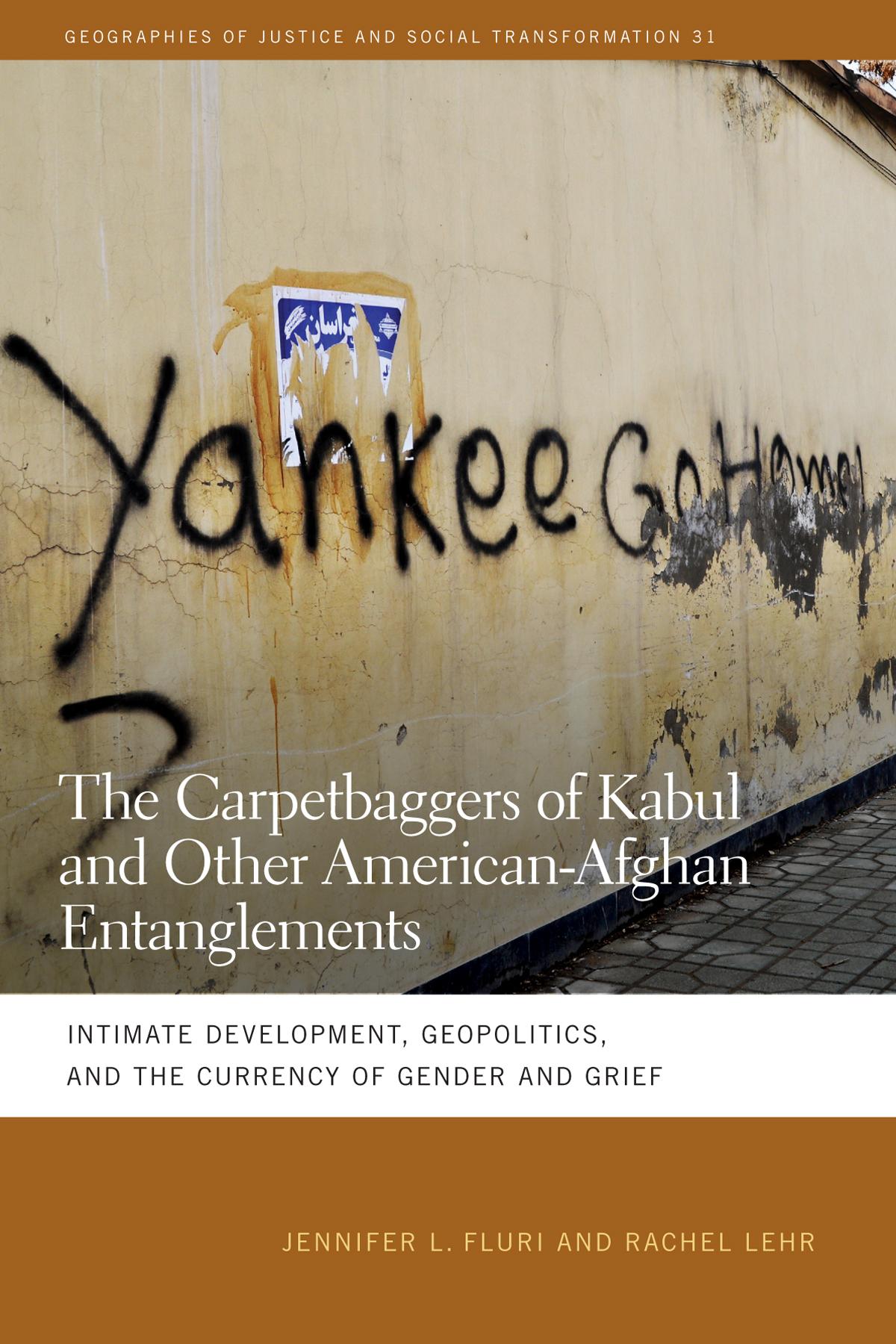
The 2001 invasion of Afghanistan by United States and coalition forces was followed by a flood of aid and development dollars and “experts” representing well over two thousand organizations—each with separate policy initiatives, geopolitical agendas, and socioeconomic interests. This book examines the everyday actions of people associated with this international effort, with a special emphasis on small players: individuals and groups who charted alternative paths outside the existing networks of aid and development. This focus highlights the complexities, complications, and contradictions at the intersection of the everyday and the geopolitical, showing how dominant geopolitical narratives influence daily life in places like Afghanistan—and what happens when the goals of aid workersor the needs of aid recipients do not fit the narrative.
Specifically, this book examines the use of gender, “need,” and grief as drivers for both common and exceptional responses to geopolitical interventions.Throughout this work, Jennifer L. Fluri and Rachel Lehr describe intimate encounters at a microscale to complicate and dispute the ways in which Afghans and their country have been imagined, described, fetishized, politicized, vilified, and rescued. The authors identify the ways in which Afghan men and women have been narrowly categorized as perpetrators and victims, respectively. They discuss several projects to show how gender and grief became forms of currency that were exchanged for different social, economic, and political opportunities. Such entanglements suggest the power and influence of the United States while illustrating the ways in which individuals and groups have attempted to chart alternative avenues of interaction, intervention, and interpretation.
Before Memmo my notes were scattered across PDFs. Now a workspace pulls everything into one place — I see exactly what's still left to study.
Memmo's summaries are gold before exams. I don't have to re-read 800 pages two weeks before — just the important parts.
The AI chat has saved me the night before an exam more than once. I just keep asking until I get it — no waiting on a study group to reply.
The quizzes hit exactly what I need to know. Memmo tracks what I get stuck on — so I only practice what's worth it.
Flashcards with spaced repetition are magic. Memmo knows when I'm about to forget something and brings it back.
The AI podcasts are my favorite. I listen on my way to school and get a recap without sitting at a computer.

Handbok i kvalitativa metoder
281 kr

Hållbar utveckling: en introduktion för ingenjörer och andra problemlösare
334 kr

Brymans Samhällsvetenskapliga metoder
390 kr

Projektledning
491 kr

Den orättvisa hälsan: om socioekonomiska skillnader i hälsa och livslängd
326 kr

Vetenskapsteori för nybörjare
196 kr

Organizational Leadership
429 kr

På väg mot läraryrket
172 kr

Det sociala livet i skolan: Socialpsykologiska perspektiv
253 kr

Betygsättningens didaktik
151 kr

Personality
402 kr

Studying Leadership
404 kr

Managing Innovation
477 kr

Introduktion till samhällsvetenskaplig metod
347 kr

The Psychology of Sex and Gender
698 kr

Evidens och kunskap för socialt arbete
207 kr

Introduction to Leadership
605 kr