
Before Memmo my notes were scattered across PDFs. Now a workspace pulls everything into one place — I see exactly what's still left to study.
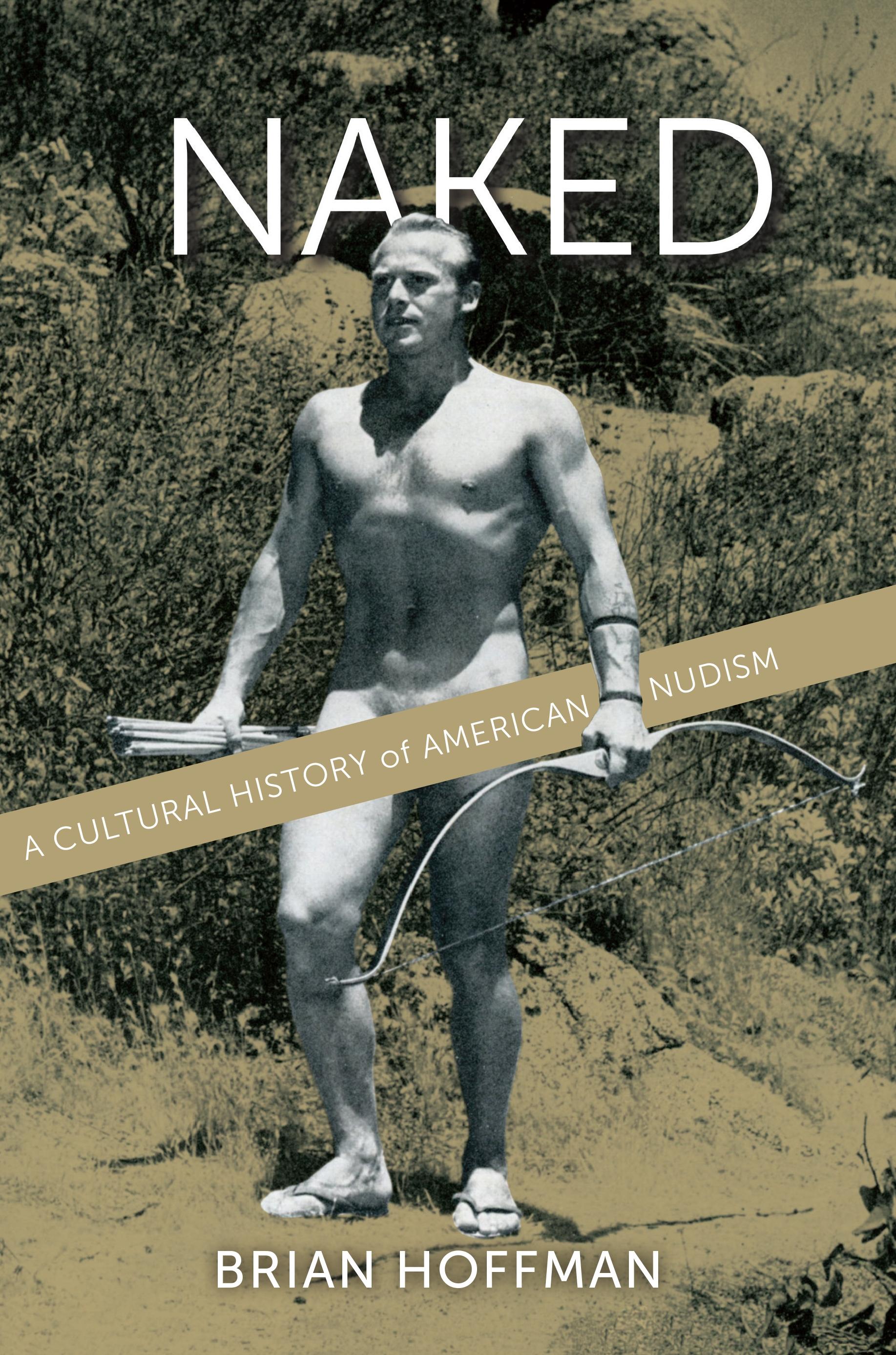
In 1929, a small group of men and women threw off their clothes and began to exercise in a New York City gymnasium, marking the start of the American nudist movement. While countless Americans had long enjoyed the pleasures of skinny dipping or nude sunbathing, nudists were the first to organize a movement around the idea that exposing the body corrected the ills of modern society and produced profound benefits for the body as well as the mind. Despite hostility and skepticism, American nudists enlisted the support of health enthusiasts, homemakers, sex radicals, and even ministers, and in the process, redefined what could be seen, experienced, and consumed in twentieth-century America.
Naked gives a vibrant, detailed account of the American nudist movement and the larger cultural phenomenon of public nudity in the United States. Brian S. Hoffman reflects on the idea of nakedness itself in the context of a culture that wrestles with an inherent sense of shame and conflicting moral attitudes about the body. In exploring the social and legal history of nudism, Hoffman reveals how anxieties about gender, race, sexuality, and age inform our conceptions of nakedness. The book traces the debates about distinguishing deviant sexualities from morally acceptable display, the legal processes that helped bring about the dramatic changes in sexuality in the 1960s and 1970s, as well as the explosion in eroticism that has increasingly defined the modern American consumer economy. Drawing on a colorful collection of nudist materials, films, and magazines, Naked exposes the social, cultural, and moral assumptions about nakedness and the body normally hidden from view and behind closed doors.
Before Memmo my notes were scattered across PDFs. Now a workspace pulls everything into one place — I see exactly what's still left to study.
Memmo's summaries are gold before exams. I don't have to re-read 800 pages two weeks before — just the important parts.
The AI chat has saved me the night before an exam more than once. I just keep asking until I get it — no waiting on a study group to reply.
The quizzes hit exactly what I need to know. Memmo tracks what I get stuck on — so I only practice what's worth it.
Flashcards with spaced repetition are magic. Memmo knows when I'm about to forget something and brings it back.
The AI podcasts are my favorite. I listen on my way to school and get a recap without sitting at a computer.

Handbok i kvalitativa metoder
281 kr

Hållbar utveckling: en introduktion för ingenjörer och andra problemlösare
334 kr

Brymans Samhällsvetenskapliga metoder
390 kr

Projektledning
491 kr

Den orättvisa hälsan: om socioekonomiska skillnader i hälsa och livslängd
326 kr

Organizational Leadership
429 kr

Vetenskapsteori för nybörjare
196 kr

På väg mot läraryrket
172 kr

Det sociala livet i skolan: Socialpsykologiska perspektiv
253 kr

Betygsättningens didaktik
151 kr

Personality
402 kr

Studying Leadership
404 kr

Managing Innovation
477 kr

Introduktion till samhällsvetenskaplig metod
347 kr

The Psychology of Sex and Gender
698 kr

Evidens och kunskap för socialt arbete
207 kr

Introduction to Leadership
605 kr