
Before Memmo my notes were scattered across PDFs. Now a workspace pulls everything into one place — I see exactly what's still left to study.
On May 29, 1917, Mrs. E. M. Craise, citizen of Denver, Colorado, penned a letter to President Woodrow Wilson, which concluded, We have surrendered to your absolute control our hearts' dearest treasures--our sons. If their precious bodies that have cost us so dear should be torn to shreds by German shot and shells we will try to live on in the hope of meeting them again in the blessed Country of happy reunions. But, Mr. President, if the hell-holes that infest their training camps should trip up their unwary feet and they be returned to us besotted degenerate wrecks of their former selves cursed with that hell-born craving for alcohol, we can have no such hope.
Anxious about the United States' pending entry into the Great War, fearful that their sons would be polluted by the scourges of prostitution, venereal disease, illicit sex, and drink that ran rampant in the training camps, countless Americans sent such missives to their government officials. In response to this deluge, President Wilson created the Commission on Training Camp Activities to ensure the purity of the camp environment. Training camps would henceforth mold not only soldiers, but model citizens who, after the war, would return to their communities, spreading white, urban, middle-class values throughout the country.
What began as a federal program designed to eliminate sexually transmitted diseases soon mushroomed into a powerful social force intent on replacing America's many cultures with a single, homogenous one. Though committed to the positive methods of education and recreation, the reformers did not hesitate to employ repression when necessary. Those not conforming to the prescribed vision of masculinity often faced exclusion from the reformers' idealized society, or sometimes even imprisonment. Social engineering ruled the day.
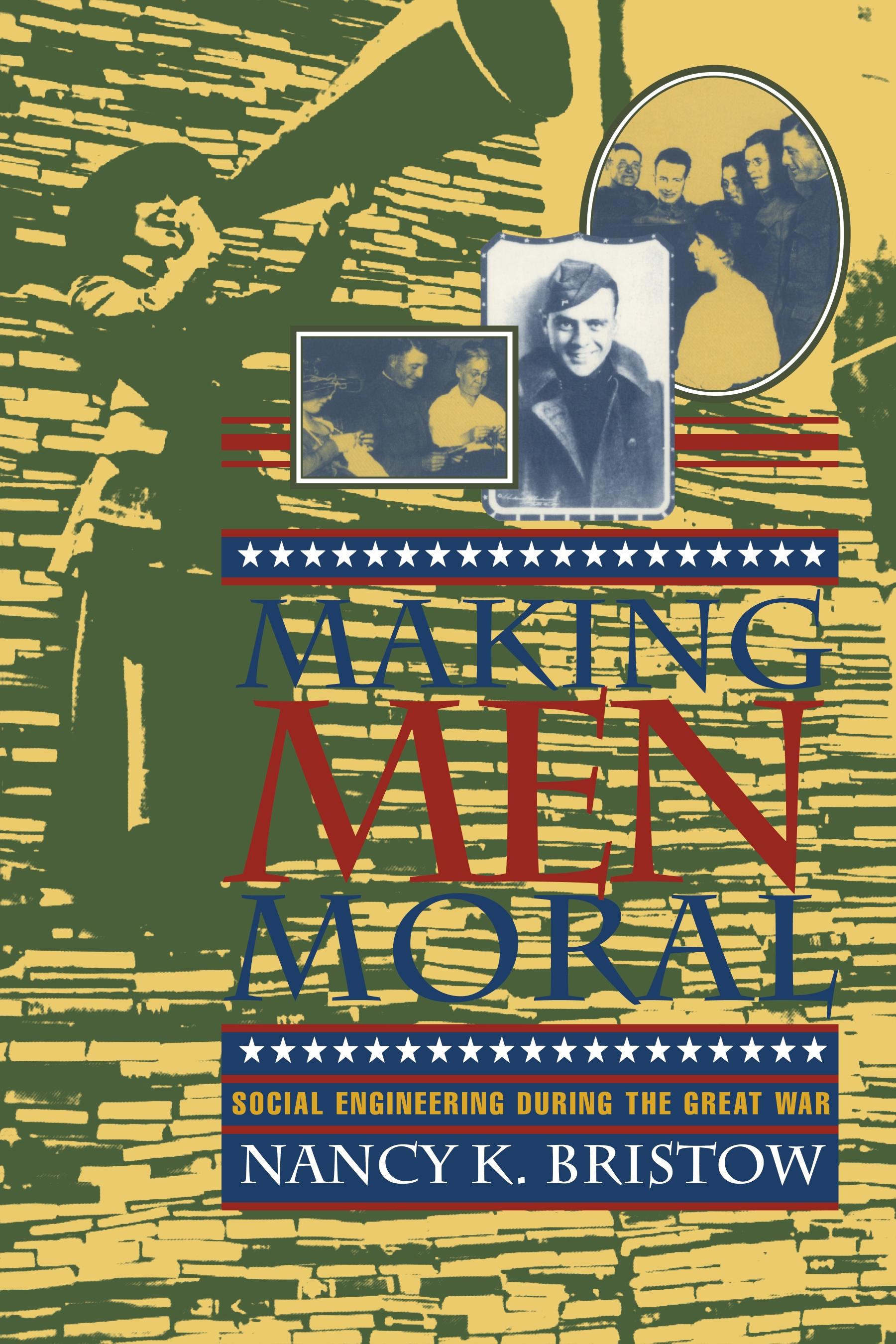
Combining social, cultural, and military history and illustrating the deep divisions among reformers themselves, Nancy K. Bristow, with the aid of dozens of evocative photographs, here brings to life a pivotal era in the history of the U.S., revealing the complex relationship between the nation's competing cultures, progressive reform efforts, and the Great War.
Before Memmo my notes were scattered across PDFs. Now a workspace pulls everything into one place — I see exactly what's still left to study.
Memmo's summaries are gold before exams. I don't have to re-read 800 pages two weeks before — just the important parts.
The AI chat has saved me the night before an exam more than once. I just keep asking until I get it — no waiting on a study group to reply.
The quizzes hit exactly what I need to know. Memmo tracks what I get stuck on — so I only practice what's worth it.
Flashcards with spaced repetition are magic. Memmo knows when I'm about to forget something and brings it back.
The AI podcasts are my favorite. I listen on my way to school and get a recap without sitting at a computer.

Handbok i kvalitativa metoder
281 kr

Hållbar utveckling: en introduktion för ingenjörer och andra problemlösare
334 kr

Brymans Samhällsvetenskapliga metoder
390 kr

Projektledning
491 kr

Den orättvisa hälsan: om socioekonomiska skillnader i hälsa och livslängd
326 kr

Vetenskapsteori för nybörjare
196 kr

Organizational Leadership
429 kr

På väg mot läraryrket
172 kr

Det sociala livet i skolan: Socialpsykologiska perspektiv
253 kr

Betygsättningens didaktik
151 kr

Personality
402 kr

Studying Leadership
404 kr

Managing Innovation
477 kr

Introduktion till samhällsvetenskaplig metod
347 kr

The Psychology of Sex and Gender
698 kr

Evidens och kunskap för socialt arbete
207 kr

Introduction to Leadership
605 kr