
Before Memmo my notes were scattered across PDFs. Now a workspace pulls everything into one place — I see exactly what's still left to study.
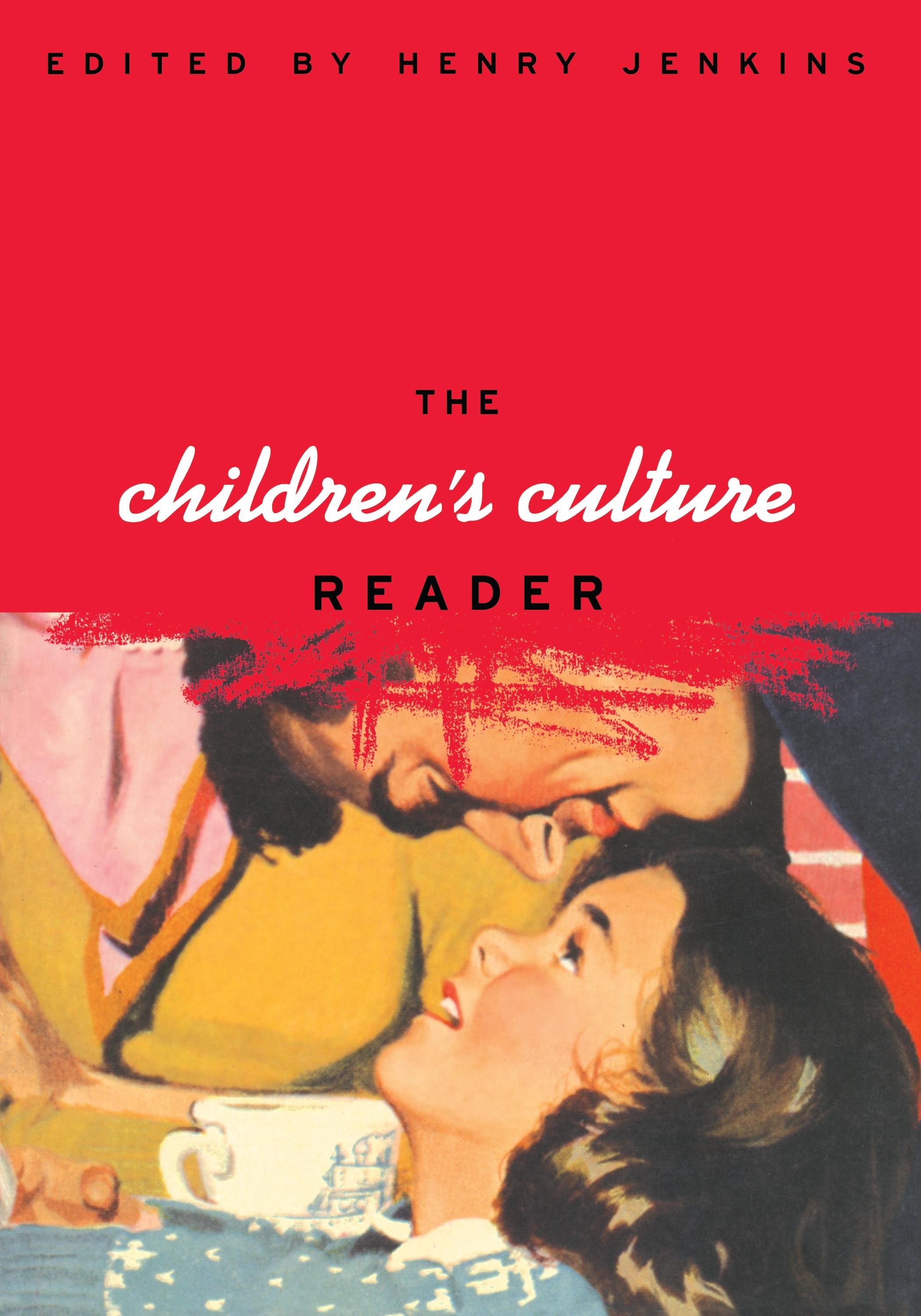
Examines children as creative and critical thinkers who shape society even as it shapes them
Every major political and social dispute of the twentieth century has been fought on the backs of our children, from the economic reforms of the progressive era through the social readjustments of civil rights era and on to the current explosion of anxieties about everything from the national debt to the digital revolution. Far from noncombatants whom we seek to protect from the contamination posed by adult knowledge, children form the very basis on which we fight over the nature and values of our society, and over our hopes and fears for the future.
Unfortunately, our understanding of childhood and children has not kept pace with their crucial and rapidly changing roles in our culture. Pulling together a range of different thinkers who have rethought the myths of childhood innocence, The Children's Culture Reader develops a profile of children as creative and critical thinkers who shape society even as it shapes them. Representing a range of thinking from history, psychology, anthropology, sociology, economics, women's studies, literature, and media studies, The Children's Culture Reader focuses on issues of parent-child relations, child labor, education, play, and especially the relationship of children to mass media and consumer culture. The contributors include Martha Wolfenstein, Philippe Aries, Jacqueline Rose, James Kincaid, Lynn Spigel, Valerie Walkerdine, Ellen Seiter, Annette Kuhn, Eve Sedgwick, Henry Giroux, and Nancy Scheper-Hughes.
Including a groundbreaking introduction by the editor and a sourcebook section which excerpts a range of material from popular magazines to child rearing guides from the past 75 years, The Children's Culture Reader will propel our understanding of children and childhood into the next century.
Before Memmo my notes were scattered across PDFs. Now a workspace pulls everything into one place — I see exactly what's still left to study.
Memmo's summaries are gold before exams. I don't have to re-read 800 pages two weeks before — just the important parts.
The AI chat has saved me the night before an exam more than once. I just keep asking until I get it — no waiting on a study group to reply.
The quizzes hit exactly what I need to know. Memmo tracks what I get stuck on — so I only practice what's worth it.
Flashcards with spaced repetition are magic. Memmo knows when I'm about to forget something and brings it back.
The AI podcasts are my favorite. I listen on my way to school and get a recap without sitting at a computer.

Handbok i kvalitativa metoder
281 kr

Hållbar utveckling: en introduktion för ingenjörer och andra problemlösare
334 kr

Brymans Samhällsvetenskapliga metoder
390 kr

Projektledning
491 kr

Den orättvisa hälsan: om socioekonomiska skillnader i hälsa och livslängd
326 kr

Organizational Leadership
429 kr

Vetenskapsteori för nybörjare
196 kr

På väg mot läraryrket
172 kr

Det sociala livet i skolan: Socialpsykologiska perspektiv
253 kr

Betygsättningens didaktik
151 kr

Personality
402 kr

Studying Leadership
404 kr

Managing Innovation
477 kr

Introduktion till samhällsvetenskaplig metod
347 kr

The Psychology of Sex and Gender
698 kr

Evidens och kunskap för socialt arbete
207 kr

Introduction to Leadership
605 kr