
Before Memmo my notes were scattered across PDFs. Now a workspace pulls everything into one place — I see exactly what's still left to study.
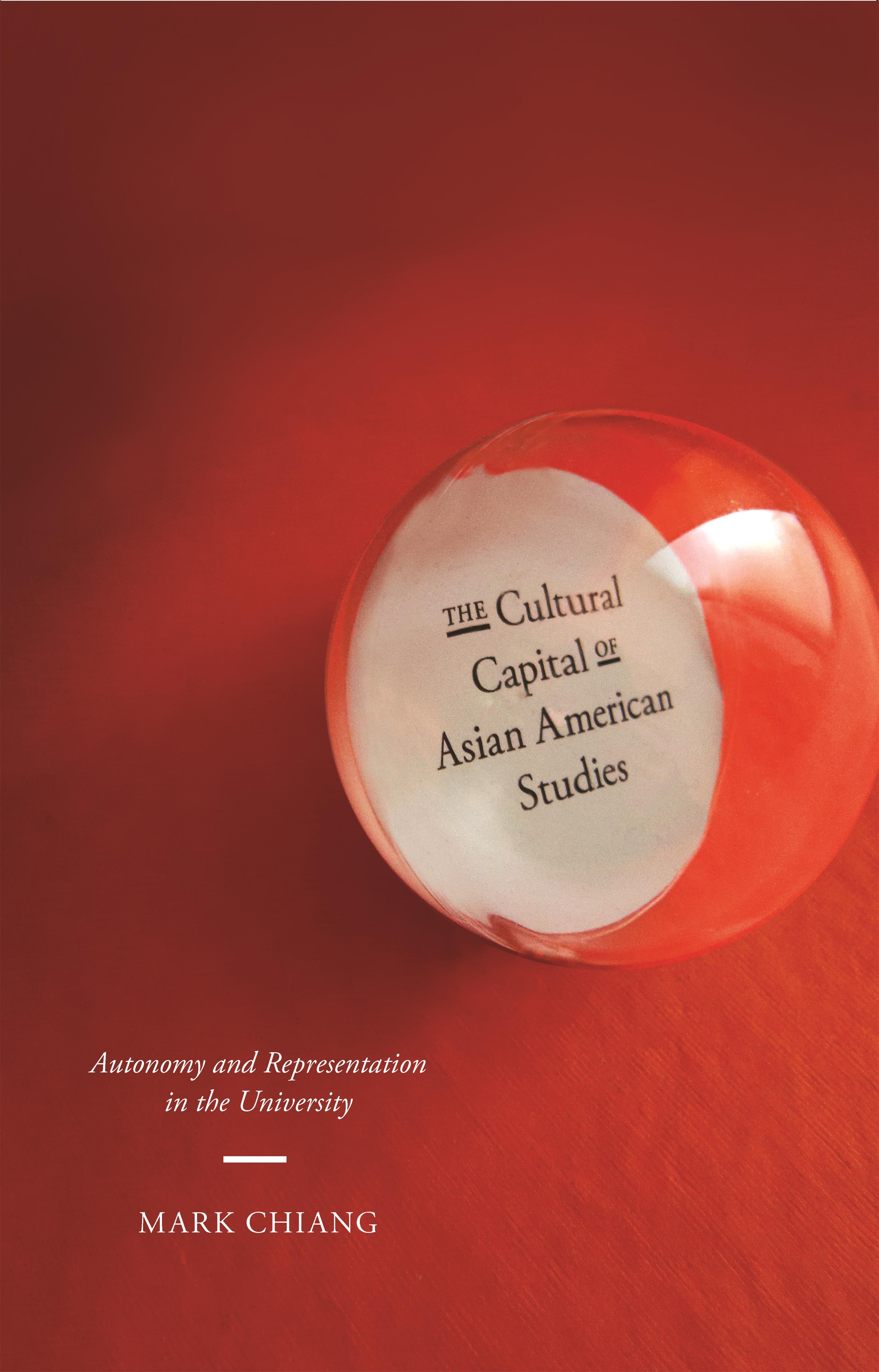
Originating in the 1968 student-led strike at San Francisco State University, Asian American Studies was founded as a result of student and community protests that sought to make education more accessible and relevant. While members of the Asian American communities initially served on the departmental advisory boards, planning and developing areas of the curriculum, university pressures eventually dictated their expulsion. At that moment in history, the intellectual work of the field was split off from its relation to the community at large, giving rise to the entire problematic of representation in the academic sphere.
Even as the original objectives of the field have remained elusive, Asian American studies has nevertheless managed to establish itself in the university. Mark Chiang argues that the fundamental precondition of institutionalization within the university is the production of cultural capital, and that in the case of Asian American Studies (as well as other fields of minority studies), the accumulation of cultural capital has come primarily from the conversion of political capital. In this way, the definition of cultural capital becomes the primary terrain of political struggle in the university, and outlines the very conditions of possibility for political work within the academy. Beginning with the theoretical debates over identity politics and cultural nationalism, and working through the origins of ethnic studies in the Third World Strike, the formation of the Asian American literary field, and the Blu’s Hanging controversy, The Cultural Capital of Asian American Studies articulates a new and innovative model of cultural and academic politics, illuminating the position of ethnic studies within the American university.
Before Memmo my notes were scattered across PDFs. Now a workspace pulls everything into one place — I see exactly what's still left to study.
Memmo's summaries are gold before exams. I don't have to re-read 800 pages two weeks before — just the important parts.
The AI chat has saved me the night before an exam more than once. I just keep asking until I get it — no waiting on a study group to reply.
The quizzes hit exactly what I need to know. Memmo tracks what I get stuck on — so I only practice what's worth it.
Flashcards with spaced repetition are magic. Memmo knows when I'm about to forget something and brings it back.
The AI podcasts are my favorite. I listen on my way to school and get a recap without sitting at a computer.

Handbok i kvalitativa metoder
281 kr

Hållbar utveckling: en introduktion för ingenjörer och andra problemlösare
334 kr

Brymans Samhällsvetenskapliga metoder
390 kr

Projektledning
491 kr

Den orättvisa hälsan: om socioekonomiska skillnader i hälsa och livslängd
326 kr

Vetenskapsteori för nybörjare
196 kr

Organizational Leadership
429 kr

På väg mot läraryrket
172 kr

Det sociala livet i skolan: Socialpsykologiska perspektiv
253 kr

Betygsättningens didaktik
151 kr

Personality
402 kr

Studying Leadership
404 kr

Managing Innovation
477 kr

Introduktion till samhällsvetenskaplig metod
347 kr

The Psychology of Sex and Gender
698 kr

Evidens och kunskap för socialt arbete
207 kr

Introduction to Leadership
605 kr