
Before Memmo my notes were scattered across PDFs. Now a workspace pulls everything into one place — I see exactly what's still left to study.
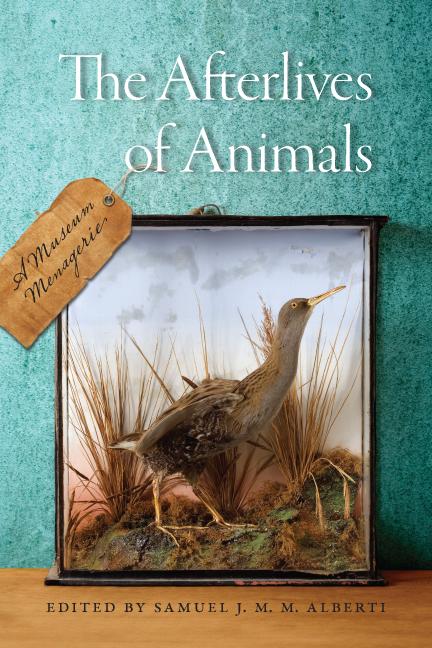
In the quiet halls of the natural history museum, there are some creatures still alive with stories, whose personalities refuse to be relegated to the dusty corners of an exhibit. The fame of these beasts during their lifetimes has given them an iconic status in death. More than just museum specimens, these animals have attained a second life as historical and cultural records. This collection of essays—from a broad array of contributors, including anthropologists, curators, fine artists, geographers, historians, and journalists—comprises short "biographies" of a number of famous taxidermized animals. Each essay traces the life, death, and museum "afterlife" of a specific creature, illuminating the overlooked role of the dead beast in the modern human-animal encounter through practices as disparate as hunting and zookeeping. The contributors offer fresh examinations of the many levels at which humans engage with other animals, especially those that function as both natural and cultural phenomena, including Queen Charlotte’s pet zebra, Maharajah the elephant, and Balto the sled dog, among others. Readers curious about the enduring fascination with animals who have attained these strange afterlives will be drawn to the individual narratives within each essay, while learning more about the scientific, cultural, and museological contexts of each subject. Ranging from autobiographical to analytical, the contributors’ varying styles make this delightful book a true menagerie.
Contributors: Samuel J. M. M. Alberti, Royal College of Surgeons * Sophie Everest, University of Manchester * Kate Foster * Michelle Henning, University of the West of England, Bristol * Hayden Lorimer, University of Glasgow * Garry Marvin, Roehampton University, London * Henry Nicholls * Hannah Paddon * Merle Patchett * Christopher Plumb, University of Manchester * Rachel Poliquin * Jeanne Robinson, Glasgow Museums * Mike Rutherford, University of the West Indies * Richard C. Sabin, Natural History Museum * Richard Sutcliffe, Glasgow Museums * Geoffrey N. Swinney, University of Edinburgh
Before Memmo my notes were scattered across PDFs. Now a workspace pulls everything into one place — I see exactly what's still left to study.
Memmo's summaries are gold before exams. I don't have to re-read 800 pages two weeks before — just the important parts.
The AI chat has saved me the night before an exam more than once. I just keep asking until I get it — no waiting on a study group to reply.
The quizzes hit exactly what I need to know. Memmo tracks what I get stuck on — so I only practice what's worth it.
Flashcards with spaced repetition are magic. Memmo knows when I'm about to forget something and brings it back.
The AI podcasts are my favorite. I listen on my way to school and get a recap without sitting at a computer.

Handbok i kvalitativa metoder
281 kr

Hållbar utveckling: en introduktion för ingenjörer och andra problemlösare
334 kr

Brymans Samhällsvetenskapliga metoder
390 kr

Projektledning
491 kr

Den orättvisa hälsan: om socioekonomiska skillnader i hälsa och livslängd
326 kr

Organizational Leadership
429 kr

Vetenskapsteori för nybörjare
196 kr

På väg mot läraryrket
172 kr

Det sociala livet i skolan: Socialpsykologiska perspektiv
253 kr

Betygsättningens didaktik
151 kr

Personality
402 kr

Studying Leadership
404 kr

Managing Innovation
477 kr

Introduktion till samhällsvetenskaplig metod
347 kr

The Psychology of Sex and Gender
698 kr

Evidens och kunskap för socialt arbete
207 kr

Introduction to Leadership
605 kr