
Before Memmo my notes were scattered across PDFs. Now a workspace pulls everything into one place — I see exactly what's still left to study.
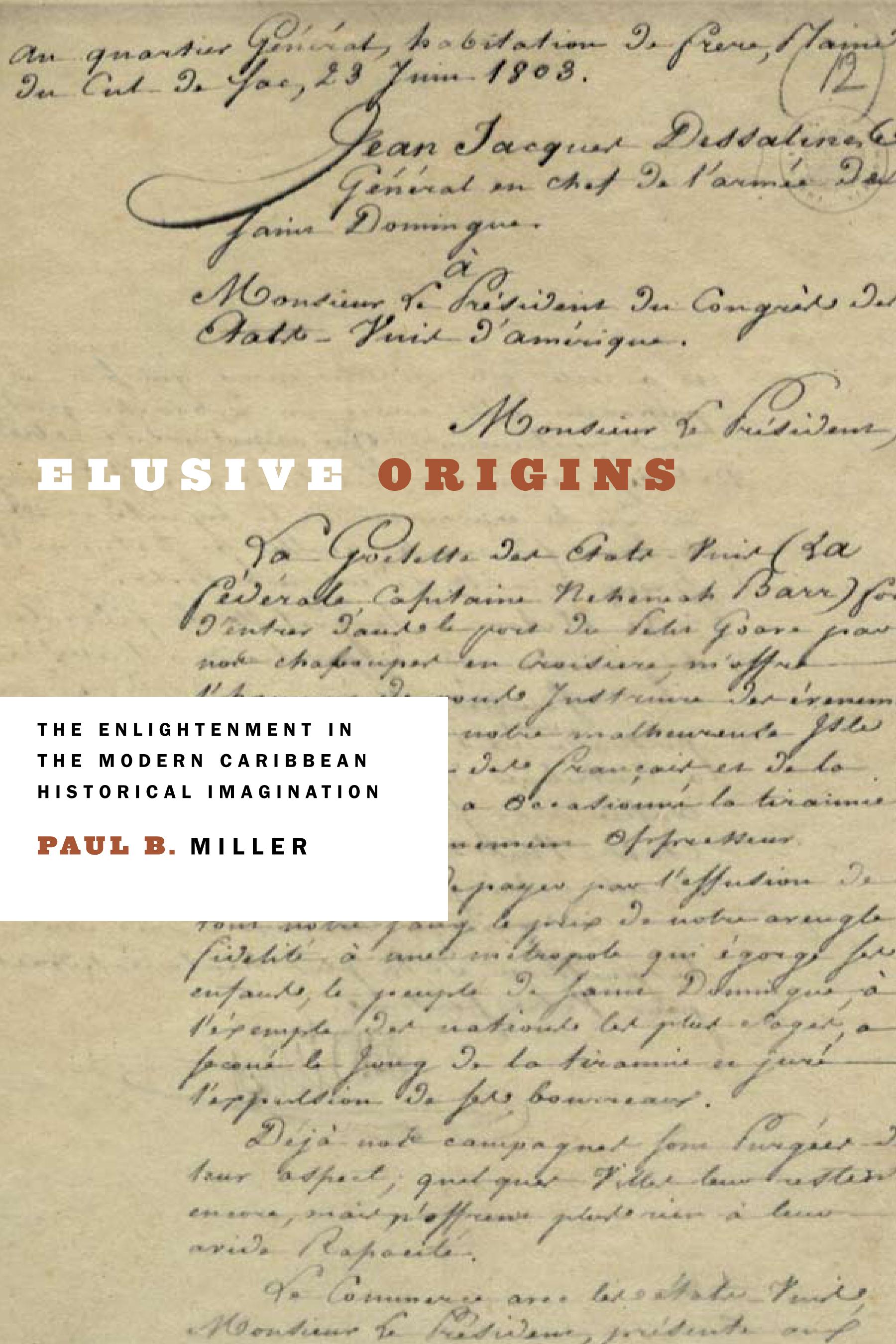
Although the questions of modernity and postmodernity are debated as frequently in the Caribbean as in other cultural zones, the Enlightenment—generally considered the origin of European modernity—is rarely discussed as such in the Caribbean context. Paul B. Miller constellates modern Caribbean writers of varying national and linguistic traditions whose common thread is their representation of the Enlightenment and the Age of Revolution in the Caribbean. In a comparative reading of such writers as Alejo Carpentier (Cuba), C. L. R. James (Trinidad), Marie Chauvet (Haiti), Maryse Condé (Guadeloupe), Reinaldo Arenas (Cuba), and Edgardo Rodríguez Juliá (Puerto Rico), Miller shows how these authors deploy their historical imagination in order to assess and reevaluate the elusive and often conflicted origins of their own modernity.
Miller documents the conceptual and ideological shift from an earlier generation of writers to a more recent one whose narrative strategies bear a strong resemblance to postmodern cultural practices, including the use of parody in targeting their discursive predecessors, the questioning of Enlightenment assumptions, and a suspicion regarding the dialectical unfolding of history as their precursors understood it. By positing the Cuban Revolution as a dividing line between the earlier generation and their postmodern successors, Miller confers a Caribbean specificity upon the commonplace notion of postmodernity.
The dual advantage of Elusive Origins's thematic specificity coupled with its inclusiveness allows a reflection on canonical writers in conjunction with lesser-known figures. Furthermore, the inclusion of Francophone and Anglophone writers in addition to those from the Hispanic Caribbean opens up the volume geographically, linguistically, and nationally, expanding its contribution to a nonessentialist understanding of the Caribbean in a Latin American, Atlantic, and global context.
Before Memmo my notes were scattered across PDFs. Now a workspace pulls everything into one place — I see exactly what's still left to study.
Memmo's summaries are gold before exams. I don't have to re-read 800 pages two weeks before — just the important parts.
The AI chat has saved me the night before an exam more than once. I just keep asking until I get it — no waiting on a study group to reply.
The quizzes hit exactly what I need to know. Memmo tracks what I get stuck on — so I only practice what's worth it.
Flashcards with spaced repetition are magic. Memmo knows when I'm about to forget something and brings it back.
The AI podcasts are my favorite. I listen on my way to school and get a recap without sitting at a computer.

Handbok i kvalitativa metoder
281 kr

Hållbar utveckling: en introduktion för ingenjörer och andra problemlösare
334 kr

Brymans Samhällsvetenskapliga metoder
390 kr

Projektledning
491 kr

Den orättvisa hälsan: om socioekonomiska skillnader i hälsa och livslängd
326 kr

Organizational Leadership
429 kr

Vetenskapsteori för nybörjare
196 kr

På väg mot läraryrket
172 kr

Det sociala livet i skolan: Socialpsykologiska perspektiv
253 kr

Betygsättningens didaktik
151 kr

Personality
402 kr

Studying Leadership
404 kr

Managing Innovation
477 kr

Introduktion till samhällsvetenskaplig metod
347 kr

The Psychology of Sex and Gender
698 kr

Evidens och kunskap för socialt arbete
207 kr

Introduction to Leadership
605 kr