
Before Memmo my notes were scattered across PDFs. Now a workspace pulls everything into one place — I see exactly what's still left to study.
Exploring the important themes of guilt and morality in James Joyce’s final work
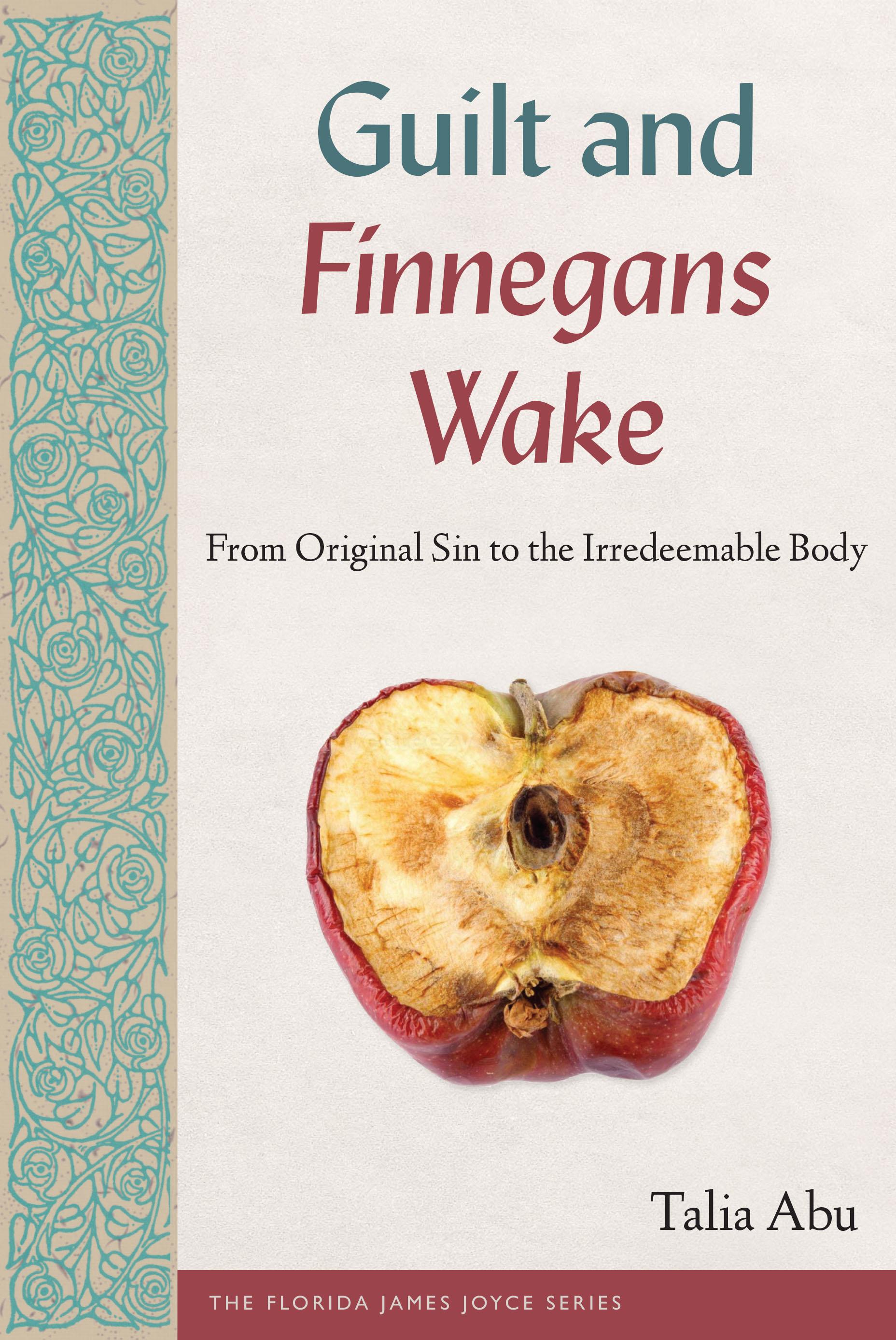
James Joyce’s last novel, Finnegans Wake, is notorious for its complex structure and is considered by many to be unreadable. Approaching this complicated book with attention to the theme of guilt, an important concept that has been underexplored in studies of the Wake, Talia Abu presents a clear and thorough interpretation that helps illuminate the book for even the most novice Joyce readers.
In Guilt and “Finnegans Wake,” Talia Abu examines how Joyce portrays the evolution of cultural beliefs about morality, from the concept of a moral code set in place by a transcendental authority to an embodied morality that originates in material existence. Through close readings of the novel, Abu demonstrates that Joyce engages with guilt as it relates to the Catholic doctrine of original sin, the institution of the marriage contract, the theories of Nietzsche, and the views of Freud—including Freud’s emphasis on physical experience as the primary aspect of being. Ultimately, Abu argues that Joyce sees guilt as a personal and unique experience and that emotions such as guilt can be reclaimed from the influence of religious and social institutions.
Delving into Joyce’s representation of historical events while also analyzing Joyce’s wordplay and linguistic techniques and drawing from multiple disciplines to understand different conceptions of guilt, this book shows the importance of the theme to the form of Finnegans Wake and Joyce’s craft more broadly. Pursuing the questions and ideas that Joyce raises about guilt and morality, Talia Abu makes a case for the enduring relevance of Joyce’s work today.
A volume in the Florida James Joyce Series, edited by Sam Slote
Before Memmo my notes were scattered across PDFs. Now a workspace pulls everything into one place — I see exactly what's still left to study.
Memmo's summaries are gold before exams. I don't have to re-read 800 pages two weeks before — just the important parts.
The AI chat has saved me the night before an exam more than once. I just keep asking until I get it — no waiting on a study group to reply.
The quizzes hit exactly what I need to know. Memmo tracks what I get stuck on — so I only practice what's worth it.
Flashcards with spaced repetition are magic. Memmo knows when I'm about to forget something and brings it back.
The AI podcasts are my favorite. I listen on my way to school and get a recap without sitting at a computer.

Handbok i kvalitativa metoder
281 kr

Hållbar utveckling: en introduktion för ingenjörer och andra problemlösare
334 kr

Brymans Samhällsvetenskapliga metoder
390 kr

Projektledning
491 kr

Den orättvisa hälsan: om socioekonomiska skillnader i hälsa och livslängd
326 kr

Vetenskapsteori för nybörjare
196 kr

Organizational Leadership
429 kr

På väg mot läraryrket
172 kr

Det sociala livet i skolan: Socialpsykologiska perspektiv
253 kr

Betygsättningens didaktik
151 kr

Personality
402 kr

Studying Leadership
404 kr

Managing Innovation
477 kr

Introduktion till samhällsvetenskaplig metod
347 kr

The Psychology of Sex and Gender
698 kr

Evidens och kunskap för socialt arbete
207 kr

Introduction to Leadership
605 kr