
Before Memmo my notes were scattered across PDFs. Now a workspace pulls everything into one place — I see exactly what's still left to study.
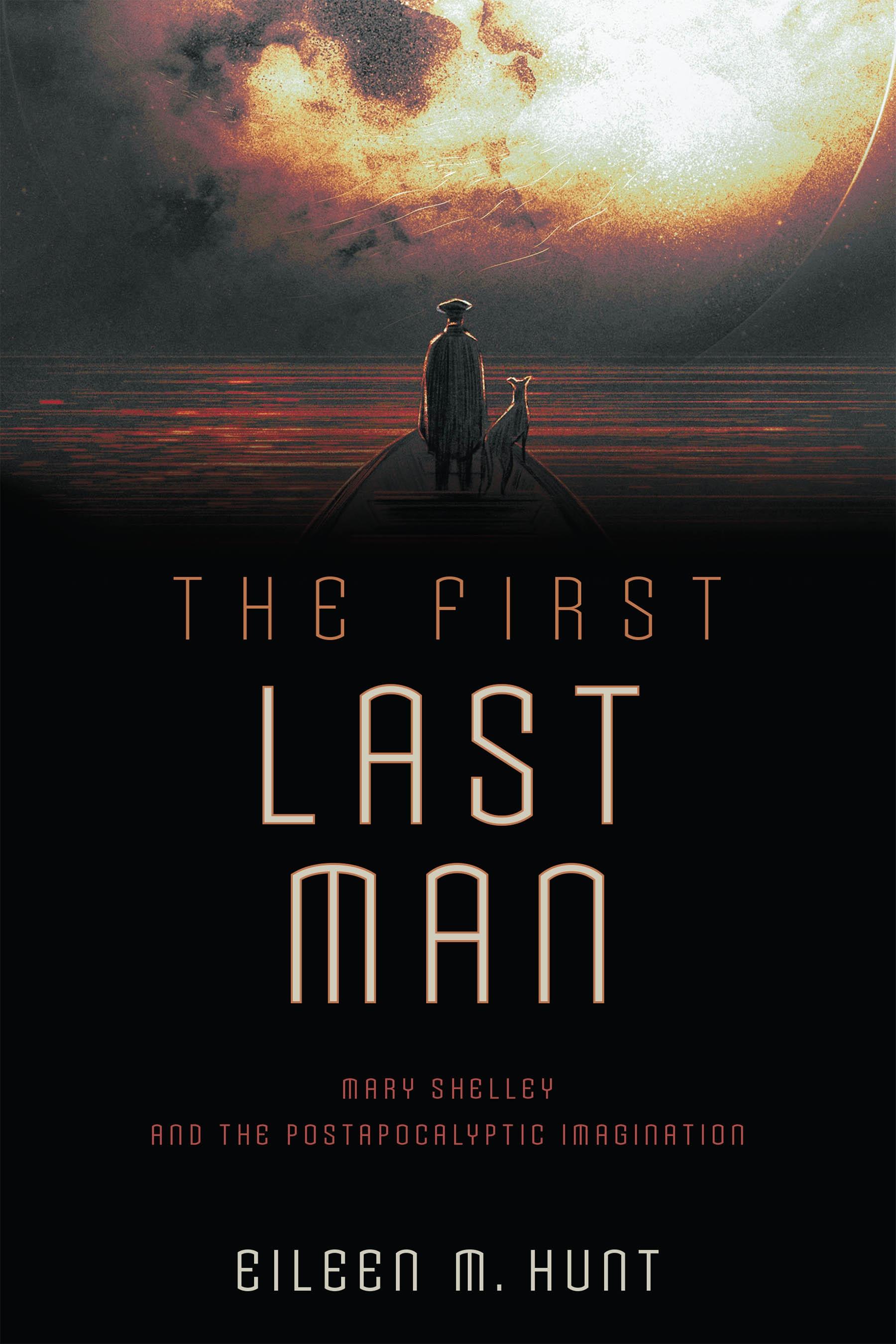
Beyond her most famous creation—the nightmarish vision of Frankenstein’s Creature—Mary Shelley’s most enduring influence on politics, literature, and art perhaps stems from the legacy of her lesser-known novel about the near-extinction of the human species through war, disease, and corruption. This novel, The Last Man (1826), gives us the iconic image of a heroic survivor who narrates the history of an apocalyptic disaster in order to save humanity—if not as a species, then at least as the practice of compassion or humaneness. In visual and musical arts from 1826 to the present, this postapocalyptic figure has transmogrified from the “last man” into the globally familiar filmic images of the “invisible man” and the “final girl.”
Reading Shelley’s work against the background of epidemic literature and political thought from ancient Greece to Covid-19, Eileen M. Hunt reveals how Shelley’s postapocalyptic imagination has shaped science fiction and dystopian writing from H. G. Wells, M. P. Shiel, and George Orwell to Octavia Butler, Margaret Atwood, and Emily St. John Mandel. Through archival research into Shelley’s personal journals and other writings, Hunt unearths Shelley’s ruminations on her own personal experiences of loss, including the death of young children in her family to disease and the drowning of her husband, Percy Bysshe Shelley. Shelley’s grief drove her to intensive study of Greek tragedy, through which she developed the thinking about plague, conflict, and collective responsibility that later emerges in her fiction. From her readings of classic works of plague literature to her own translation of Sophocles’s Oedipus Rex, and from her authorship of the first major modern pandemic novel to her continued influence on contemporary popular culture, Shelley gave rise to a tradition of postapocalyptic thought that asks a question that the Covid-19 pandemic has made newly urgent for many: What do humans do after disaster?
Before Memmo my notes were scattered across PDFs. Now a workspace pulls everything into one place — I see exactly what's still left to study.
Memmo's summaries are gold before exams. I don't have to re-read 800 pages two weeks before — just the important parts.
The AI chat has saved me the night before an exam more than once. I just keep asking until I get it — no waiting on a study group to reply.
The quizzes hit exactly what I need to know. Memmo tracks what I get stuck on — so I only practice what's worth it.
Flashcards with spaced repetition are magic. Memmo knows when I'm about to forget something and brings it back.
The AI podcasts are my favorite. I listen on my way to school and get a recap without sitting at a computer.

Handbok i kvalitativa metoder
281 kr

Hållbar utveckling: en introduktion för ingenjörer och andra problemlösare
334 kr

Brymans Samhällsvetenskapliga metoder
390 kr

Projektledning
491 kr

Den orättvisa hälsan: om socioekonomiska skillnader i hälsa och livslängd
326 kr

Organizational Leadership
429 kr

Vetenskapsteori för nybörjare
196 kr

På väg mot läraryrket
172 kr

Det sociala livet i skolan: Socialpsykologiska perspektiv
253 kr

Betygsättningens didaktik
151 kr

Personality
402 kr

Studying Leadership
404 kr

Managing Innovation
477 kr

Introduktion till samhällsvetenskaplig metod
347 kr

The Psychology of Sex and Gender
698 kr

Evidens och kunskap för socialt arbete
207 kr

Introduction to Leadership
605 kr