
Before Memmo my notes were scattered across PDFs. Now a workspace pulls everything into one place — I see exactly what's still left to study.
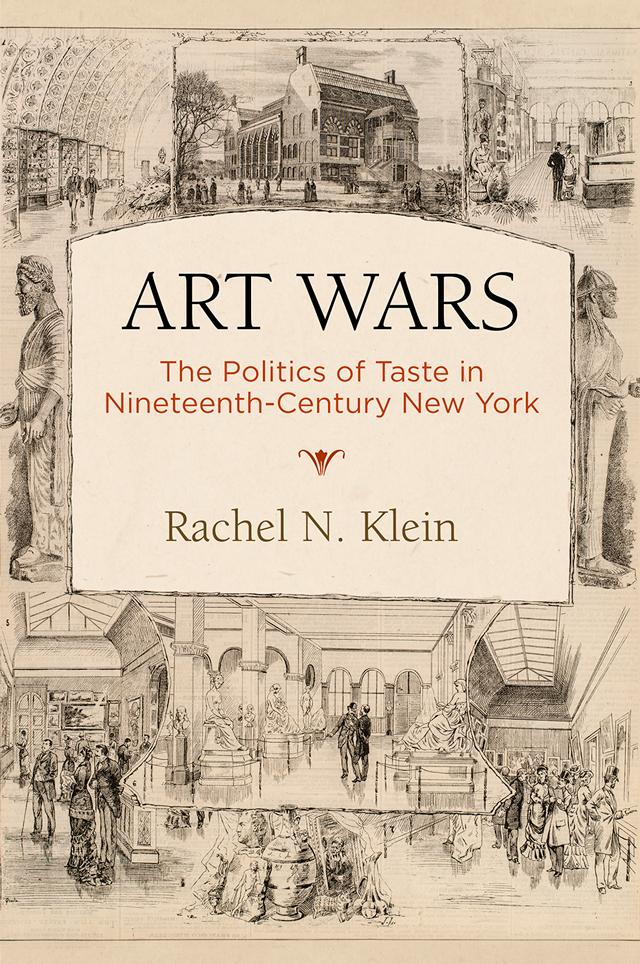
A study of three controversies that illuminate the changing cultural role of art exhibition in the nineteenth century
From the antebellum era through the Gilded Age, New York City's leading art institutions were lightning rods for conflict. In the decades before the Civil War, art promoters believed that aesthetic taste could foster national unity and assuage urban conflicts; by the 1880s such hopes had faded, and the taste for art assumed more personal connotations associated with consumption and domestic decoration. Art Wars chronicles three protracted public battles that marked this transformation. The first battle began in 1849 and resulted in the downfall of the American Art-Union, the most popular and influential art institution in North America at mid-century. The second erupted in 1880 over the Metropolitan Museum's massive collection of Cypriot antiquities, which had been plundered and sold to its trustees by the man who became the museum's first paid director. The third escalated in the mid-1880s and forced the Metropolitan Museum to open its doors on Sunday—the only day when working people were able to attend.
In chronicling these disputes, Rachel N. Klein considers cultural fissures that ran much deeper than the specific complaints that landed protagonists in court. New York's major nineteenth-century art institutions came under intense scrutiny not only because Americans invested them with moral and civic consequences but also because they were part and parcel of explosive processes associated with the rise of industrial capitalism. Elite New Yorkers spearheaded the creation of the Art-Union and the Metropolitan, but those institutions became enmeshed in popular struggles related to slavery, immigration, race, industrial production, and the rights of working people. Art Wars examines popular engagement with New York's art institutions and illuminates the changing cultural role of art exhibition over the course of the nineteenth century.
Before Memmo my notes were scattered across PDFs. Now a workspace pulls everything into one place — I see exactly what's still left to study.
Memmo's summaries are gold before exams. I don't have to re-read 800 pages two weeks before — just the important parts.
The AI chat has saved me the night before an exam more than once. I just keep asking until I get it — no waiting on a study group to reply.
The quizzes hit exactly what I need to know. Memmo tracks what I get stuck on — so I only practice what's worth it.
Flashcards with spaced repetition are magic. Memmo knows when I'm about to forget something and brings it back.
The AI podcasts are my favorite. I listen on my way to school and get a recap without sitting at a computer.

Handbok i kvalitativa metoder
281 kr

Hållbar utveckling: en introduktion för ingenjörer och andra problemlösare
334 kr

Brymans Samhällsvetenskapliga metoder
390 kr

Projektledning
491 kr

Den orättvisa hälsan: om socioekonomiska skillnader i hälsa och livslängd
326 kr

Organizational Leadership
429 kr

Vetenskapsteori för nybörjare
196 kr

På väg mot läraryrket
172 kr

Det sociala livet i skolan: Socialpsykologiska perspektiv
253 kr

Betygsättningens didaktik
151 kr

Personality
402 kr

Studying Leadership
404 kr

Managing Innovation
477 kr

Introduktion till samhällsvetenskaplig metod
347 kr

The Psychology of Sex and Gender
698 kr

Evidens och kunskap för socialt arbete
207 kr

Introduction to Leadership
605 kr