
Before Memmo my notes were scattered across PDFs. Now a workspace pulls everything into one place — I see exactly what's still left to study.
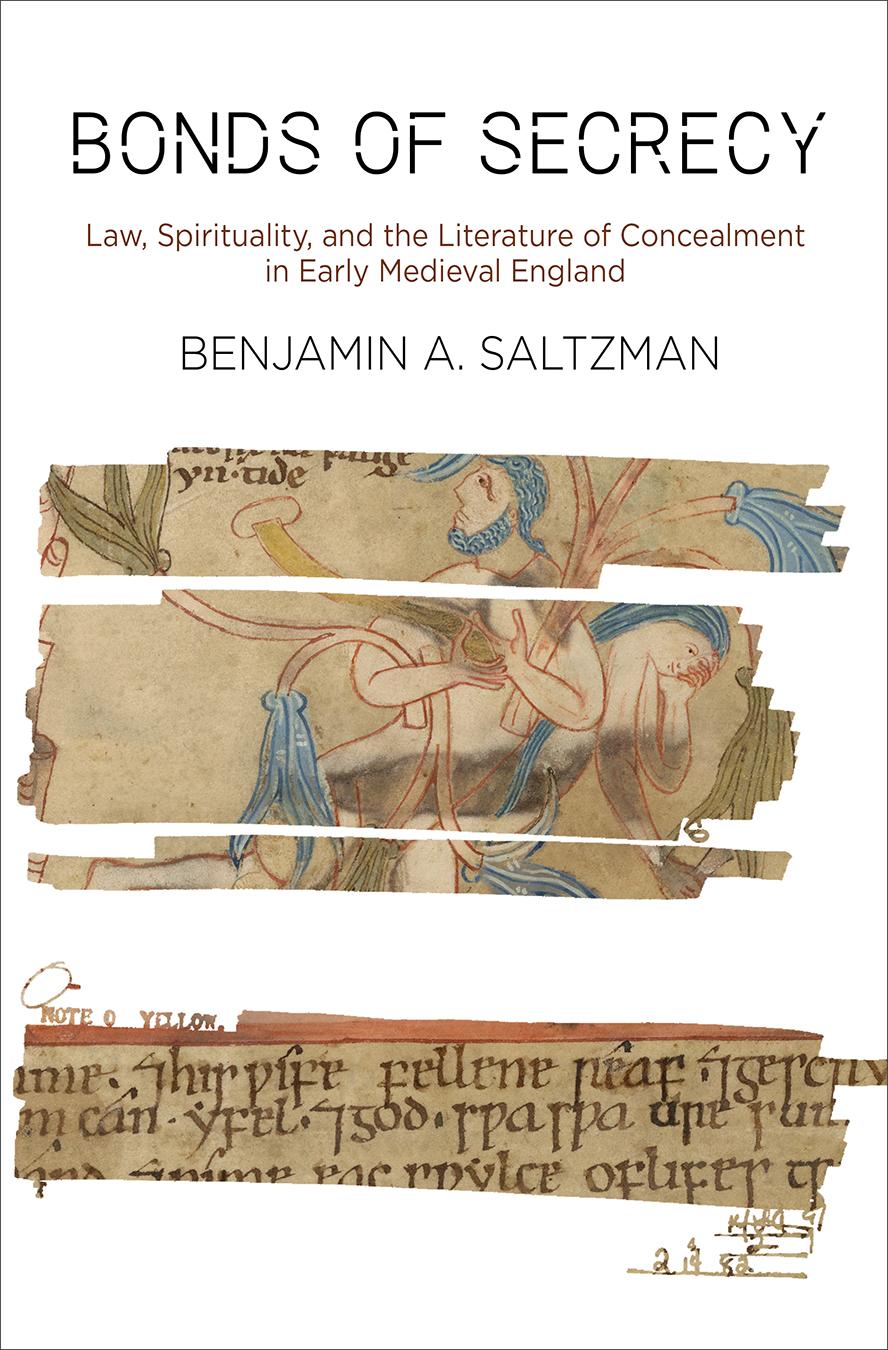
How beliefs about human and divine secrets informed medieval ideas about the mind and shaped the practices of literary interpretations
What did it mean to keep a secret in early medieval England? It was a period during which the experience of secrecy was intensely bound to the belief that God knew all human secrets, yet the secrets of God remained unknowable to human beings. In Bonds of Secrecy, Benjamin A. Saltzman argues that this double-edged conception of secrecy and divinity profoundly affected the way believers acted and thought as subjects under the law, as the devout within monasteries, and as readers before books. One crucial way it did so was by forming an ethical relationship between the self and the world that was fundamentally different from its modern reflex. Whereas today the bearers of secrets might be judged for the consequences of their reticence or disclosure, Saltzman observes, in the early Middle Ages a person attempting to conceal a secret was judged for believing he or she could conceal it from God. In other words, to attempt to hide from God was to become ensnared in a serious sin, but to hide from the world while deliberately and humbly submitting to God's constant observation was often a hallmark of spiritual virtue.
Looking to law codes and religious architecture, hagiographies and riddles, Bonds of Secrecy shows how legal and monastic institutions harnessed the pervasive and complex belief in God's omniscience to produce an intense culture of scrutiny and a radical ethics of secrecy founded on the individual's belief that nothing could be hidden from God. According to Saltzman, this ethics of secrecy not only informed early medieval notions of mental activity and ideas about the mind but also profoundly shaped the practices of literary interpretation in ways that can inform our own contemporary approaches to reading texts from the past.
Before Memmo my notes were scattered across PDFs. Now a workspace pulls everything into one place — I see exactly what's still left to study.
Memmo's summaries are gold before exams. I don't have to re-read 800 pages two weeks before — just the important parts.
The AI chat has saved me the night before an exam more than once. I just keep asking until I get it — no waiting on a study group to reply.
The quizzes hit exactly what I need to know. Memmo tracks what I get stuck on — so I only practice what's worth it.
Flashcards with spaced repetition are magic. Memmo knows when I'm about to forget something and brings it back.
The AI podcasts are my favorite. I listen on my way to school and get a recap without sitting at a computer.

Handbok i kvalitativa metoder
281 kr

Hållbar utveckling: en introduktion för ingenjörer och andra problemlösare
334 kr

Brymans Samhällsvetenskapliga metoder
390 kr

Projektledning
491 kr

Den orättvisa hälsan: om socioekonomiska skillnader i hälsa och livslängd
326 kr

Organizational Leadership
429 kr

Vetenskapsteori för nybörjare
196 kr

På väg mot läraryrket
172 kr

Det sociala livet i skolan: Socialpsykologiska perspektiv
253 kr

Betygsättningens didaktik
151 kr

Personality
402 kr

Studying Leadership
404 kr

Managing Innovation
477 kr

Introduktion till samhällsvetenskaplig metod
347 kr

The Psychology of Sex and Gender
698 kr

Evidens och kunskap för socialt arbete
207 kr

Introduction to Leadership
605 kr