
Before Memmo my notes were scattered across PDFs. Now a workspace pulls everything into one place — I see exactly what's still left to study.
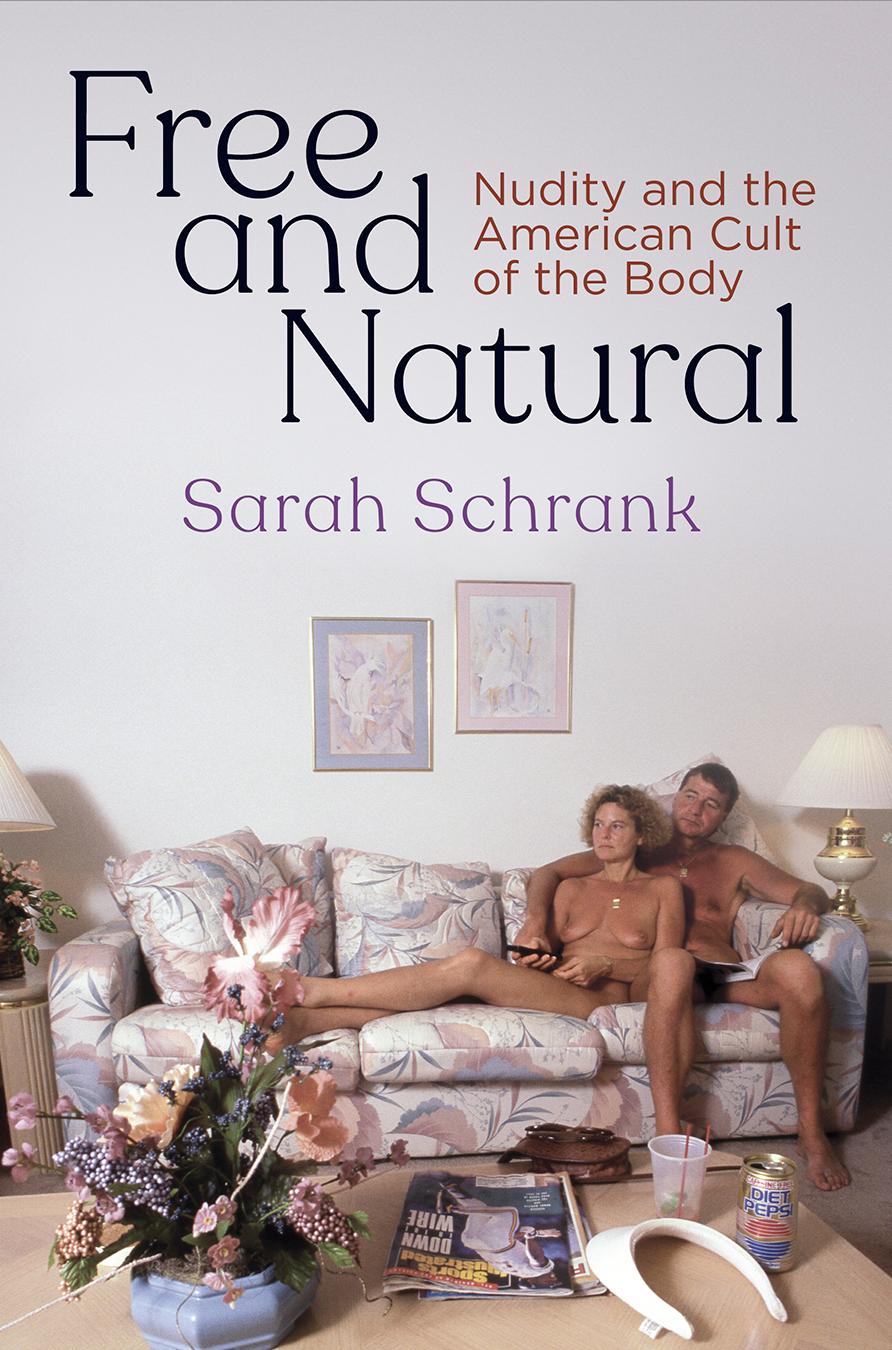
From Naked Juice® to nude yoga, contemporary society is steeped in language that draws a connection from nudity to nature, wellness, and liberation. This branding promotes a "free and natural" lifestyle to mostly white and middle-class Americans intent on protecting their own bodies—and those of society at large—from overwork, environmental toxins, illness, conformity to body standards, and the hyper-sexualization of the consumer economy. How did the naked body come to be associated with "naturalness," and how has this notion influenced American culture?
Free and Natural explores the cultural history of nudity and its impact on ideas about the body and the environment from the early twentieth century to the present. Sarah Schrank traces the history of nudity, especially public nudity, across the unusual eras and locations where it thrived—including the California desert, Depression-era collectives, and 1950s suburban nudist communities—as well as the more predictable beaches and resorts. She also highlights the many tensions it produced. For example, the blurry line between wholesome nudity and sexuality became impossible to sustain when confronted by the cultural challenges of the sexual revolution. Many longtime free and natural lifestyle enthusiasts, fatigued by decades of legal battles, retreated to private homes and resorts while the politics of gay rights, sexual liberation, environmentalism, and racial equality of the 1970s inspired a new generation of radical advocates of public nudity.
By the dawn of the twenty-first century, Schrank demonstrates, a free and natural lifestyle that started with antimaterialist, back-to-the-land rural retreats had evolved into a billion-dollar wellness marketplace where "Naked™" sells endless products promising natural health, sexual fulfilment, organic food, and hip authenticity. Free and Natural provides an in-depth account of how our bodies have become tethered so closely to modern ideas about nature and identity and yet have been consistently subjected to the excesses of capitalism.
Before Memmo my notes were scattered across PDFs. Now a workspace pulls everything into one place — I see exactly what's still left to study.
Memmo's summaries are gold before exams. I don't have to re-read 800 pages two weeks before — just the important parts.
The AI chat has saved me the night before an exam more than once. I just keep asking until I get it — no waiting on a study group to reply.
The quizzes hit exactly what I need to know. Memmo tracks what I get stuck on — so I only practice what's worth it.
Flashcards with spaced repetition are magic. Memmo knows when I'm about to forget something and brings it back.
The AI podcasts are my favorite. I listen on my way to school and get a recap without sitting at a computer.

Handbok i kvalitativa metoder
281 kr

Hållbar utveckling: en introduktion för ingenjörer och andra problemlösare
334 kr

Brymans Samhällsvetenskapliga metoder
390 kr

Projektledning
491 kr

Den orättvisa hälsan: om socioekonomiska skillnader i hälsa och livslängd
326 kr

Organizational Leadership
429 kr

Vetenskapsteori för nybörjare
196 kr

På väg mot läraryrket
172 kr

Det sociala livet i skolan: Socialpsykologiska perspektiv
253 kr

Betygsättningens didaktik
151 kr

Personality
402 kr

Studying Leadership
404 kr

Managing Innovation
477 kr

Introduktion till samhällsvetenskaplig metod
347 kr

The Psychology of Sex and Gender
698 kr

Evidens och kunskap för socialt arbete
207 kr

Introduction to Leadership
605 kr