
Before Memmo my notes were scattered across PDFs. Now a workspace pulls everything into one place — I see exactly what's still left to study.
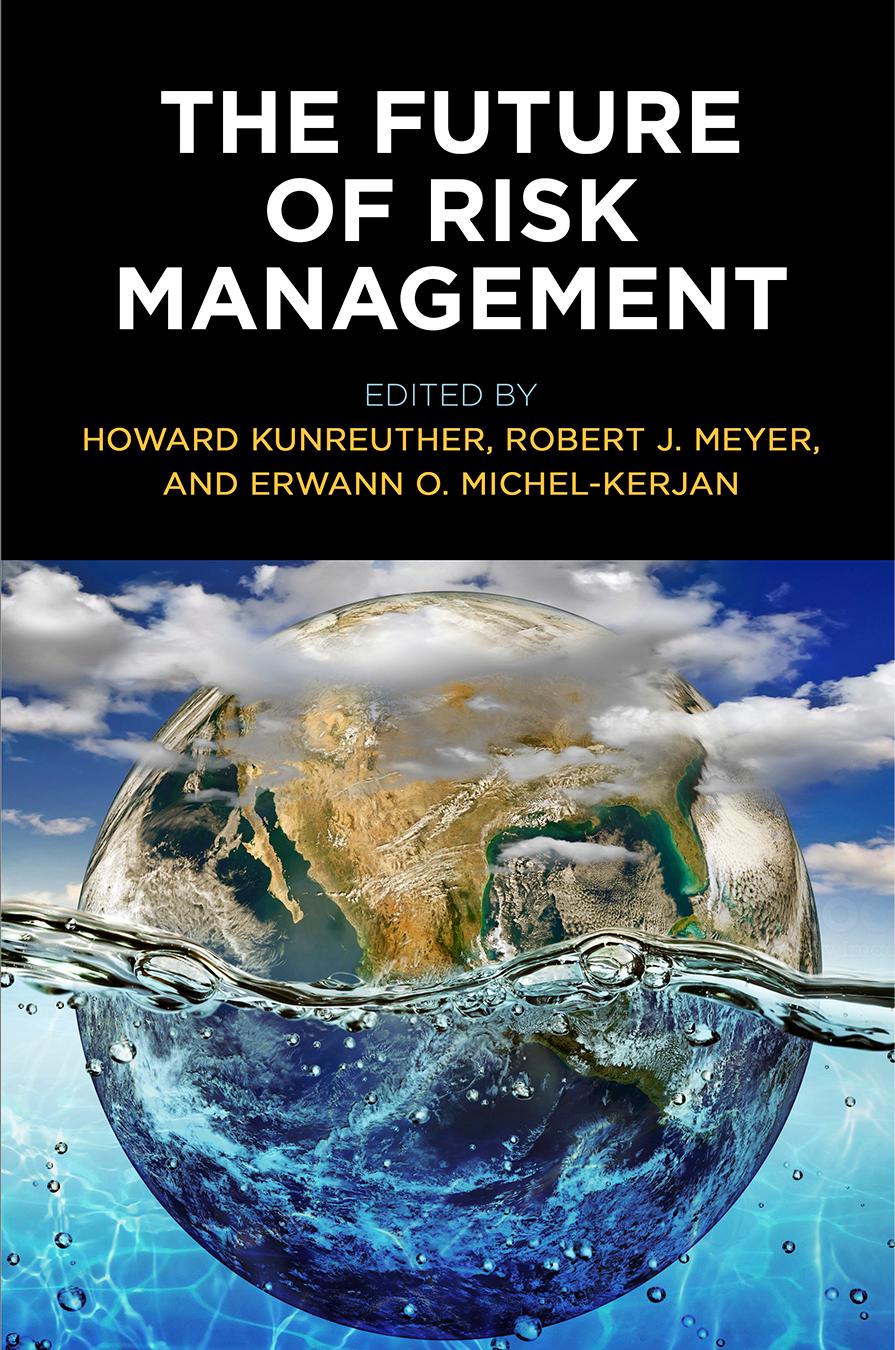
Whether man-made or naturally occurring, large-scale disasters can cause fatalities and injuries, devastate property and communities, savage the environment, impose significant financial burdens on individuals and firms, and test political leadership. Moreover, global challenges such as climate change and terrorism reveal the interdependent and interconnected nature of our current moment: what occurs in one nation or geographical region is likely to have effects across the globe. Our information age creates new and more integrated forms of communication that incur risks that are difficult to evaluate, let alone anticipate. All of this makes clear that innovative approaches to assessing and managing risk are urgently required.
When catastrophic risk management was in its inception thirty years ago, scientists and engineers would provide estimates of the probability of specific types of accidents and their potential consequences. Economists would then propose risk management policies based on those experts' estimates with little thought as to how this data would be used by interested parties. Today, however, the disciplines of finance, geography, history, insurance, marketing, political science, sociology, and the decision sciences combine scientific knowledge on risk assessment with a better appreciation for the importance of improving individual and collective decision-making processes.
The essays in this volume highlight past research, recent discoveries, and open questions written by leading thinkers in risk management and behavioral sciences. The Future of Risk Management provides scholars, businesses, civil servants, and the concerned public tools for making more informed decisions and developing long-term strategies for reducing future losses from potentially catastrophic events.
Contributors: Mona Ahmadiani, Joshua D. Baker, W. J. Wouter Botzen, Cary Coglianese, Gregory Colson, Jeffrey Czajkowski, Nate Dieckmann, Robin Dillon, Baruch Fischhoff, Jeffrey A. Friedman, Robin Gregory, Robert W. Klein, Carolyn Kousky, Howard Kunreuther, Craig E. Landry, Barbara Mellers, Robert J. Meyer, Erwann Michel-Kerjan, Robert Muir-Wood, Mark Pauly, Lisa Robinson, Adam Rose, Paul J. H. Schoemaker, Paul Slovic, Phil Tetlock, Daniel Västfjäll, W. Kip Viscusi, Elke U. Weber, Richard Zeckhauser.
Before Memmo my notes were scattered across PDFs. Now a workspace pulls everything into one place — I see exactly what's still left to study.
Memmo's summaries are gold before exams. I don't have to re-read 800 pages two weeks before — just the important parts.
The AI chat has saved me the night before an exam more than once. I just keep asking until I get it — no waiting on a study group to reply.
The quizzes hit exactly what I need to know. Memmo tracks what I get stuck on — so I only practice what's worth it.
Flashcards with spaced repetition are magic. Memmo knows when I'm about to forget something and brings it back.
The AI podcasts are my favorite. I listen on my way to school and get a recap without sitting at a computer.

Handbok i kvalitativa metoder
281 kr

Hållbar utveckling: en introduktion för ingenjörer och andra problemlösare
334 kr

Brymans Samhällsvetenskapliga metoder
390 kr

Projektledning
491 kr

Den orättvisa hälsan: om socioekonomiska skillnader i hälsa och livslängd
326 kr

Vetenskapsteori för nybörjare
196 kr

Organizational Leadership
429 kr

På väg mot läraryrket
172 kr

Det sociala livet i skolan: Socialpsykologiska perspektiv
253 kr

Betygsättningens didaktik
151 kr

Personality
402 kr

Studying Leadership
404 kr

Managing Innovation
477 kr

Introduktion till samhällsvetenskaplig metod
347 kr

The Psychology of Sex and Gender
698 kr

Evidens och kunskap för socialt arbete
207 kr

Introduction to Leadership
605 kr