
Before Memmo my notes were scattered across PDFs. Now a workspace pulls everything into one place — I see exactly what's still left to study.
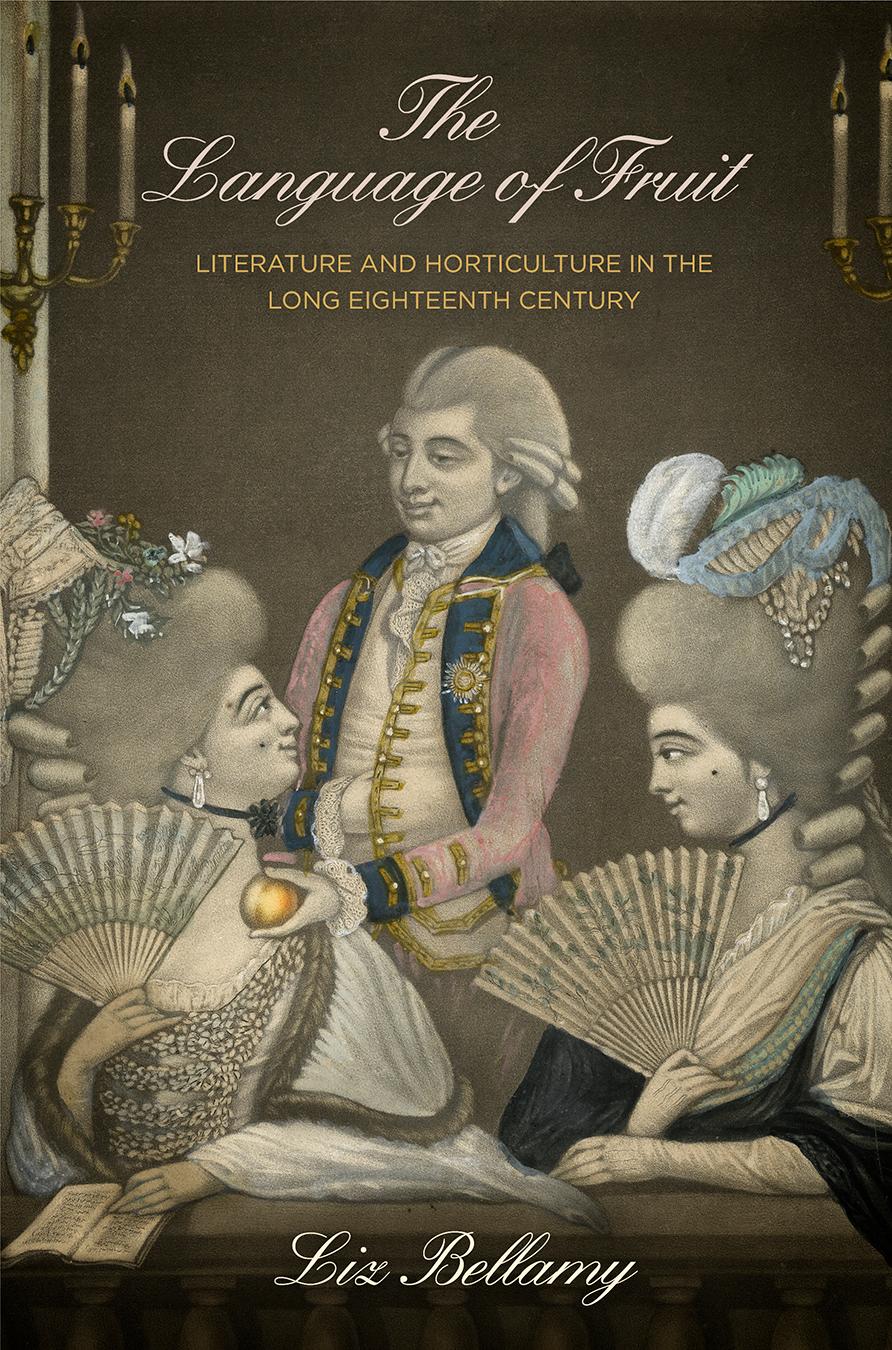
In The Language of Fruit, Liz Bellamy explores how poets, playwrights, and novelists from the Restoration to the Romantic era represented fruit and fruit trees in a period that saw significant changes in cultivation techniques, the expansion of the range of available fruit varieties, and the transformation of the mechanisms for their exchange and distribution. Although her principal concern is with the representation of fruit within literary texts and genres, she nevertheless grounds her analysis in the consideration of what actually happened in the gardens and orchards of the past.
As Bellamy progresses through sections devoted to specific literary genres, three central "characters" come to the fore: the apple, long a symbol of natural abundance, simplicity, and English integrity; the orange, associated with trade and exchange until its "naturalization" as a British resident; and the pineapple, often figured as a cossetted and exotic child of indulgence epitomizing extravagant luxury. She demonstrates how the portrayal of fruits within literary texts was complicated by symbolic associations derived from biblical and classical traditions, often identifying fruit with female temptation and sexual desire. Looking at seventeenth-century poetry, Restoration drama, eighteenth-century georgic, and the Romantic novel, as well as practical writings on fruit production and husbandry, Bellamy shows the ways in which the meanings and inflections that accumulated around different kinds of fruit related to contemporary concepts of gender, class, and race.
Examining the intersection of literary tradition and horticultural innovation, The Language of Fruit traces how writers from Andrew Marvell to Jane Austen responded to the challenges posed by the evolving social, economic, and symbolic functions of fruit over the long eighteenth century.
Before Memmo my notes were scattered across PDFs. Now a workspace pulls everything into one place — I see exactly what's still left to study.
Memmo's summaries are gold before exams. I don't have to re-read 800 pages two weeks before — just the important parts.
The AI chat has saved me the night before an exam more than once. I just keep asking until I get it — no waiting on a study group to reply.
The quizzes hit exactly what I need to know. Memmo tracks what I get stuck on — so I only practice what's worth it.
Flashcards with spaced repetition are magic. Memmo knows when I'm about to forget something and brings it back.
The AI podcasts are my favorite. I listen on my way to school and get a recap without sitting at a computer.

Handbok i kvalitativa metoder
281 kr

Hållbar utveckling: en introduktion för ingenjörer och andra problemlösare
334 kr

Brymans Samhällsvetenskapliga metoder
390 kr

Projektledning
491 kr

Den orättvisa hälsan: om socioekonomiska skillnader i hälsa och livslängd
326 kr

Organizational Leadership
429 kr

Vetenskapsteori för nybörjare
196 kr

På väg mot läraryrket
172 kr

Det sociala livet i skolan: Socialpsykologiska perspektiv
253 kr

Betygsättningens didaktik
151 kr

Personality
402 kr

Studying Leadership
404 kr

Managing Innovation
477 kr

Introduktion till samhällsvetenskaplig metod
347 kr

The Psychology of Sex and Gender
698 kr

Evidens och kunskap för socialt arbete
207 kr

Introduction to Leadership
605 kr