
Before Memmo my notes were scattered across PDFs. Now a workspace pulls everything into one place — I see exactly what's still left to study.
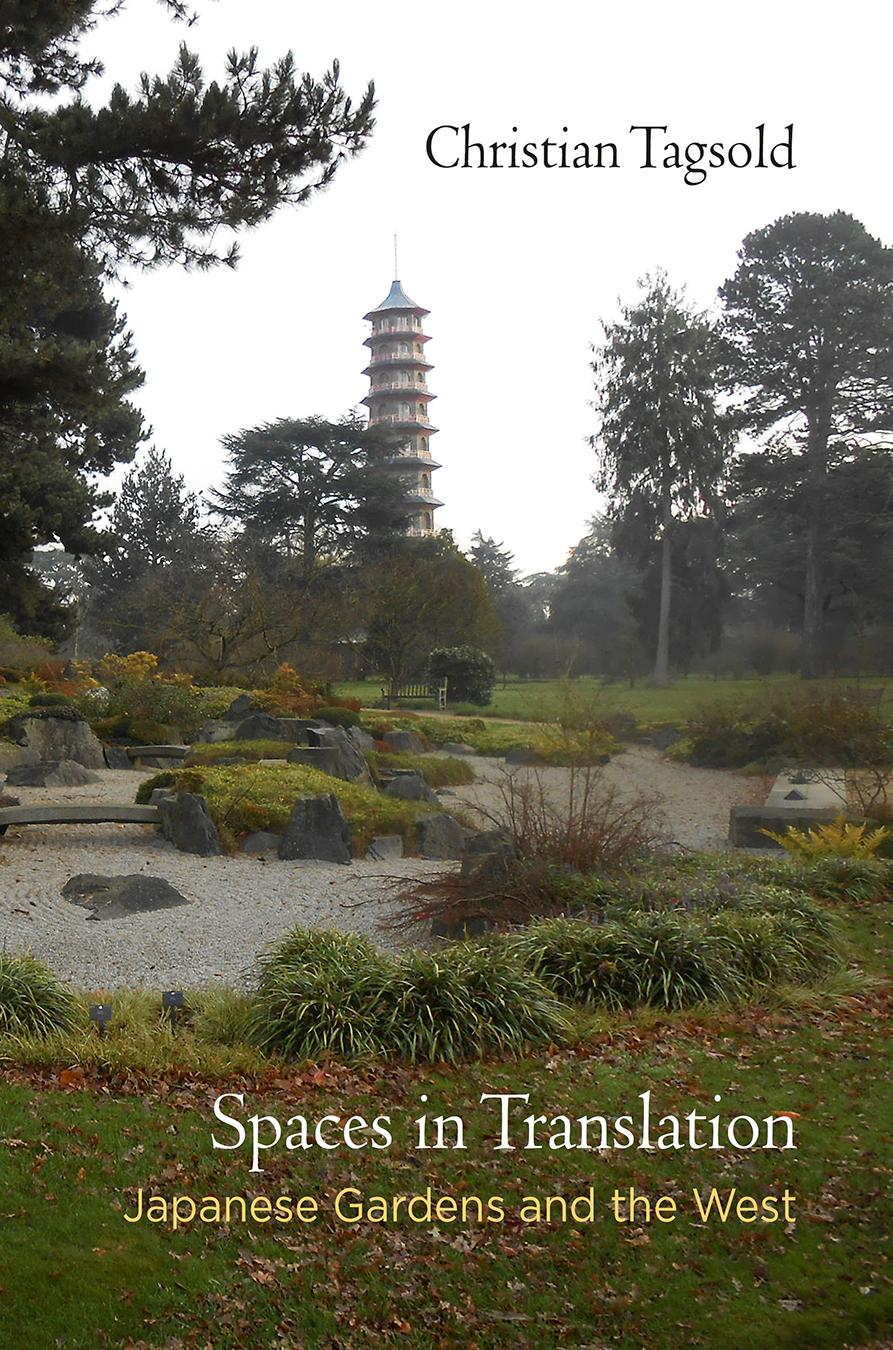
One may visit famous gardens in Tokyo, Kyoto, or Osaka—or one may visit Japanese-styled gardens in New York, San Francisco, Philadelphia, Berlin, London, Paris, São Paulo, or Singapore. We often view these gardens as representative of the essence of Japanese culture. Christian Tagsold argues, however, that the idea of the Japanese garden has less do to with Japan's history and traditions, and more to do with its interactions with the West.
The first Japanese gardens in the West appeared at the world's fairs in Vienna in 1873 and Philadelphia in 1876 and others soon appeared in museums, garden expositions, the estates of the wealthy, and public parks. By the end of the nineteenth century, the Japanese garden, described as mystical and attuned to nature, had usurped the popularity of the Chinese garden, so prevalent in the eighteenth century. While Japan sponsored the creation of some gardens in a series of acts of cultural diplomacy, the Japanese style was interpreted and promulgated by Europeans and Americans as well. But the fashion for Japanese gardens would decline in inverse relation to the rise of Japanese militarism in the 1930s, their rehabilitation coming in the years following World War II, with the rise of the Zen meditation garden style that has come to dominate the Japanese garden in the West.
Tagsold has visited over eighty gardens in ten countries with an eye to questioning how these places signify Japan in non-Japanese geographical and cultural contexts. He ponders their history, the reasons for their popularity, and their connections to geopolitical events, explores their shifting aesthetic, and analyzes those elements which convince visitors that these gardens are "authentic." He concludes that a constant process of cultural translation between Japanese and Western experts and commentators marked these spaces as expressions of otherness, creating an idea of the Orient and its distinction from the West.
Before Memmo my notes were scattered across PDFs. Now a workspace pulls everything into one place — I see exactly what's still left to study.
Memmo's summaries are gold before exams. I don't have to re-read 800 pages two weeks before — just the important parts.
The AI chat has saved me the night before an exam more than once. I just keep asking until I get it — no waiting on a study group to reply.
The quizzes hit exactly what I need to know. Memmo tracks what I get stuck on — so I only practice what's worth it.
Flashcards with spaced repetition are magic. Memmo knows when I'm about to forget something and brings it back.
The AI podcasts are my favorite. I listen on my way to school and get a recap without sitting at a computer.

Handbok i kvalitativa metoder
281 kr

Hållbar utveckling: en introduktion för ingenjörer och andra problemlösare
334 kr

Brymans Samhällsvetenskapliga metoder
390 kr

Projektledning
491 kr

Den orättvisa hälsan: om socioekonomiska skillnader i hälsa och livslängd
326 kr

Vetenskapsteori för nybörjare
196 kr

Organizational Leadership
429 kr

På väg mot läraryrket
172 kr

Det sociala livet i skolan: Socialpsykologiska perspektiv
253 kr

Betygsättningens didaktik
151 kr

Personality
402 kr

Studying Leadership
404 kr

Managing Innovation
477 kr

Introduktion till samhällsvetenskaplig metod
347 kr

The Psychology of Sex and Gender
698 kr

Evidens och kunskap för socialt arbete
207 kr

Introduction to Leadership
605 kr