
Before Memmo my notes were scattered across PDFs. Now a workspace pulls everything into one place — I see exactly what's still left to study.
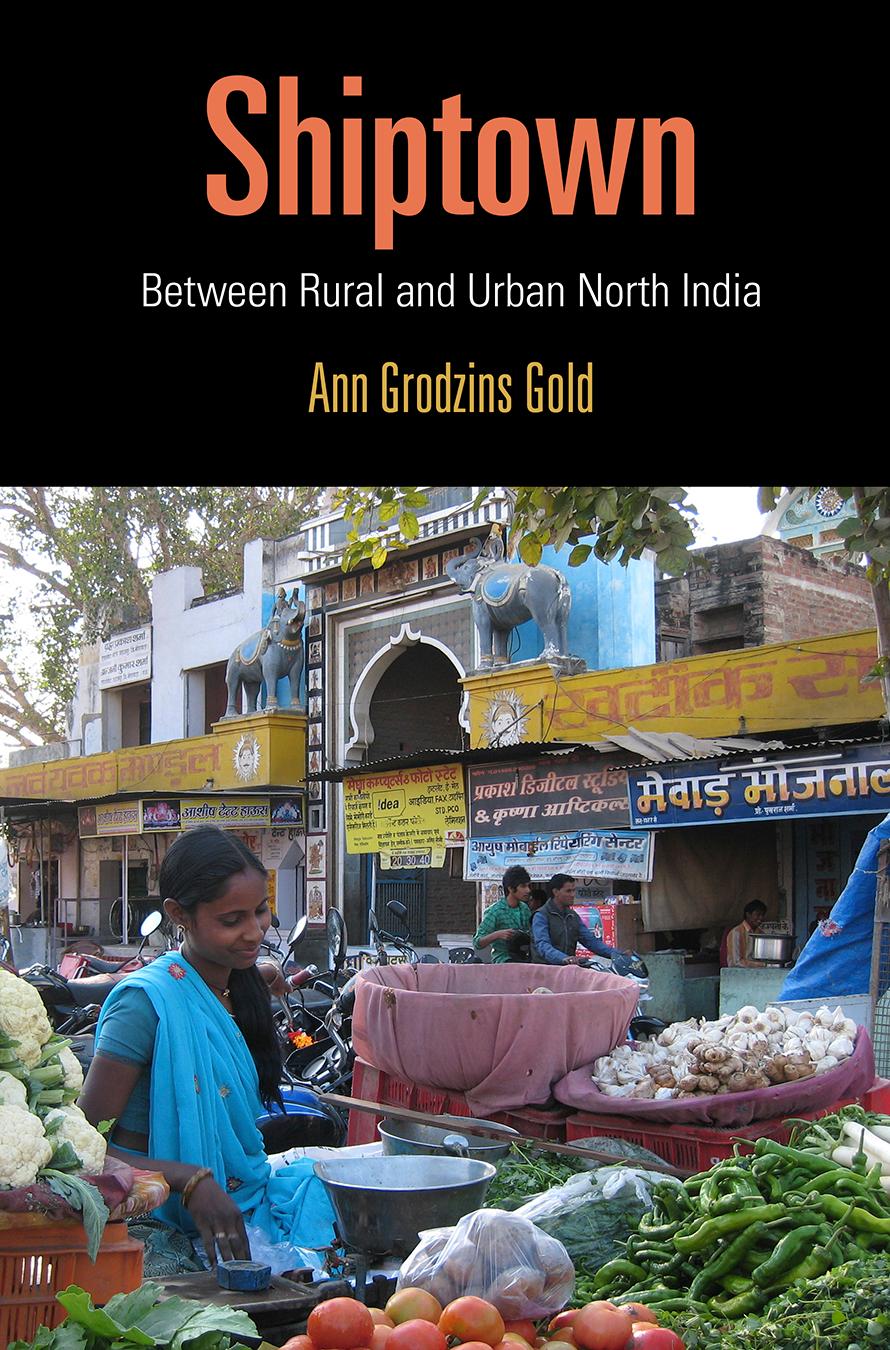
Jahazpur is a small market town or qasba with a diverse population of more than 20,000 people located in Bhilwara District in the North Indian state of Rajasthan. With roots deep in history and legend, Shiptown (a literal translation of landlocked Jahazpur's name) today is a subdistrict headquarters and thus a regional hub for government services unavailable in villages. Rural and town lives have long intersected in Shiptown's market streets, which are crammed with shopping opportunities, many designed to allure village customers. Temples, mosques, and shrines attract Hindus and Muslims from nearby areas. In the town's densely settled center—still partially walled, with arched gateways intact—many neighborhoods remain segregated by hereditary birth group. By contrast, in some newer, more spacious residential areas outside the walls, persons of distinct communities and religions live as neighbors. Throughout Jahazpur municipality a peaceful pluralism normally prevails.
Ann Grodzins Gold lived in Santosh Nagar, the oldest of Shiptown's new settlements, for ten months, recording interviews and participating in festival, ritual, and social events—public and private, religious and secular. While engaged with contemporary scholarship, Shiptown is moored in the everyday lives of the town's residents, and each chapter has at its center a specific node of Jahazpur experience. Gold seeks to portray how neighborly relations are forged and endure across lines of difference; how ancient hierarchical social structures shift in major ways while never exactly disappearing; how in spite of pervasive conservative family values, gender roles are transforming rapidly and radically; how environmental deterioration affects not only public health but individual hearts, inspiring activism; and how commerce and morality keep uneasy company. She sustains a conviction that, even in the globalized present, local experiences are significant, and that anthropology—that most intimate and poetic of the social sciences—continues to foster productive conversations among human beings.
Before Memmo my notes were scattered across PDFs. Now a workspace pulls everything into one place — I see exactly what's still left to study.
Memmo's summaries are gold before exams. I don't have to re-read 800 pages two weeks before — just the important parts.
The AI chat has saved me the night before an exam more than once. I just keep asking until I get it — no waiting on a study group to reply.
The quizzes hit exactly what I need to know. Memmo tracks what I get stuck on — so I only practice what's worth it.
Flashcards with spaced repetition are magic. Memmo knows when I'm about to forget something and brings it back.
The AI podcasts are my favorite. I listen on my way to school and get a recap without sitting at a computer.

Handbok i kvalitativa metoder
281 kr

Hållbar utveckling: en introduktion för ingenjörer och andra problemlösare
334 kr

Brymans Samhällsvetenskapliga metoder
390 kr

Projektledning
491 kr

Den orättvisa hälsan: om socioekonomiska skillnader i hälsa och livslängd
326 kr

Organizational Leadership
429 kr

Vetenskapsteori för nybörjare
196 kr

På väg mot läraryrket
172 kr

Det sociala livet i skolan: Socialpsykologiska perspektiv
253 kr

Betygsättningens didaktik
151 kr

Personality
402 kr

Studying Leadership
404 kr

Managing Innovation
477 kr

Introduktion till samhällsvetenskaplig metod
347 kr

The Psychology of Sex and Gender
698 kr

Evidens och kunskap för socialt arbete
207 kr

Introduction to Leadership
605 kr