
Before Memmo my notes were scattered across PDFs. Now a workspace pulls everything into one place — I see exactly what's still left to study.
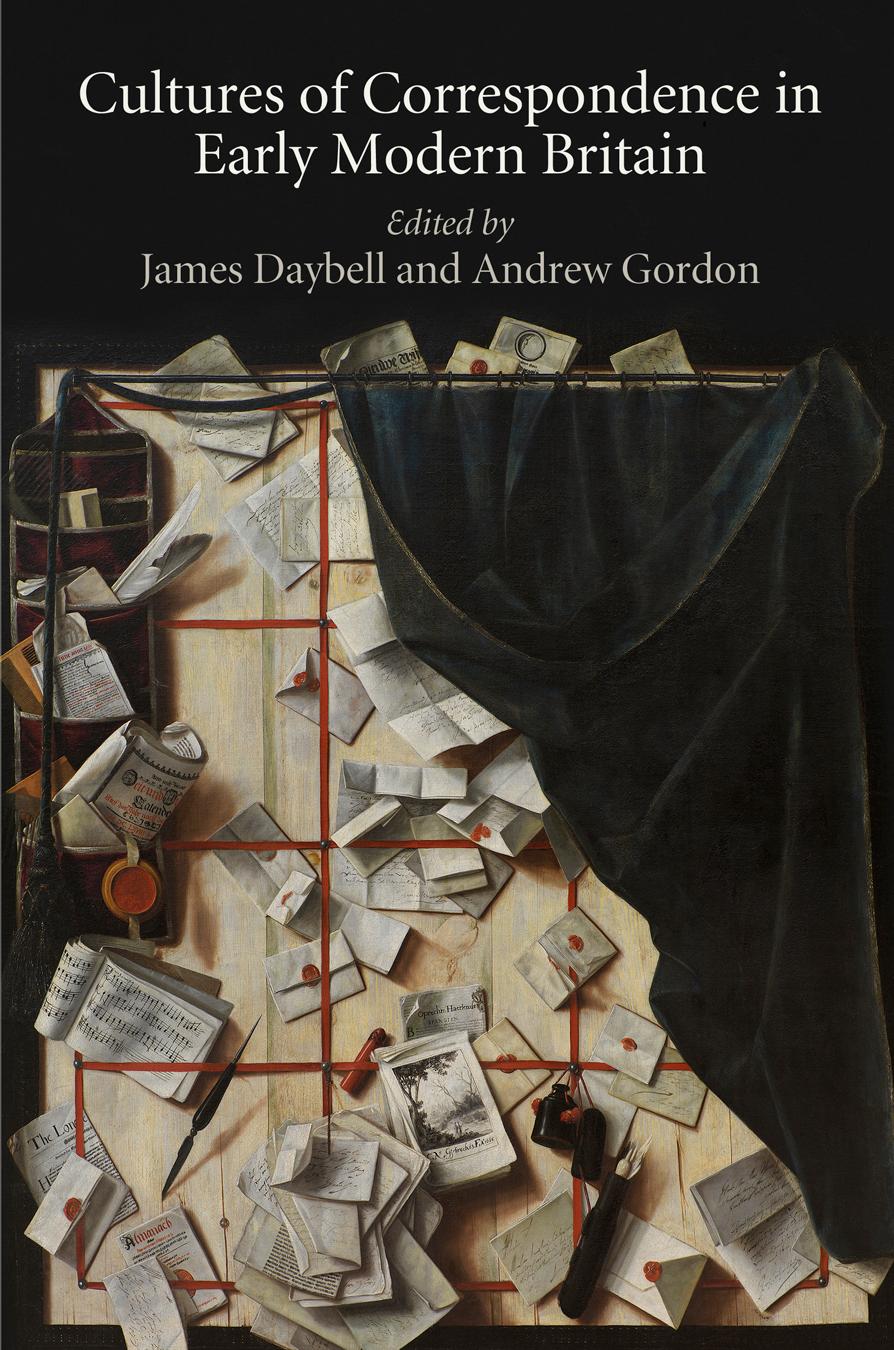
The letter is a powerfully evocative form that has gained in resonance as the habits of personal letter writing have declined in a digital age. But faith in the letter as evidence of the intimate thoughts of individuals underplays the sophisticated ways letters functioned in the past. In Cultures of Correspondence in Early Modern Britain leading scholars approach the letter from a variety of disciplinary perspectives to uncover the habits, forms, and secrets of letter writing. Where material features of the letter have often been ignored by past generations fixated on the text alone, contributors to this volume examine how such elements as handwriting, seals, ink, and the arrangement of words on the manuscript page were significant carriers of meaning alongside epistolary rhetorics. The chapters here also explore the travels of the letter, uncovering the many means through which correspondence reached a reader and the ways in which the delivery of letters preoccupied contemporaries. At the same time, they reveal how other practices, such as the use of cipher and the designs of forgery, threatened to subvert the surveillance and reading of letters.
The anxiety of early modern letter writers over the vulnerability of correspondence is testament to the deep dependence of the culture on the letter. Beyond the letter as a material object, Cultures of Correspondence sheds light on textual habits. Individual chapters study the language of letter writers to reveal that what appears to be a personal and unvarnished expression of the writer's thought is in fact a deliberate, skillful exercise in managing the conventions and expectations of the form. If letters were a prominent and ingrained part of the cultural life of the early modern period, they also enjoyed textual and archival afterlives whose stories are rarely told. Too often studied only in the case of figures already celebrated for their historical or literary significance, the letter in Cultures of Correspondence emerges as the most vital and wide-ranging material, textual form of the early modern period.
Contributors: Nadine Akkerman, Mark Brayshay, Christopher Burlinson, James Daybell, Jonathan Gibson, Andrew Gordon, Arnold Hunt, Lynne Magnusson, Michelle O'Callaghan, Alan Stewart, Andrew Zurcher.
Before Memmo my notes were scattered across PDFs. Now a workspace pulls everything into one place — I see exactly what's still left to study.
Memmo's summaries are gold before exams. I don't have to re-read 800 pages two weeks before — just the important parts.
The AI chat has saved me the night before an exam more than once. I just keep asking until I get it — no waiting on a study group to reply.
The quizzes hit exactly what I need to know. Memmo tracks what I get stuck on — so I only practice what's worth it.
Flashcards with spaced repetition are magic. Memmo knows when I'm about to forget something and brings it back.
The AI podcasts are my favorite. I listen on my way to school and get a recap without sitting at a computer.

Handbok i kvalitativa metoder
281 kr

Hållbar utveckling: en introduktion för ingenjörer och andra problemlösare
334 kr

Brymans Samhällsvetenskapliga metoder
390 kr

Projektledning
491 kr

Den orättvisa hälsan: om socioekonomiska skillnader i hälsa och livslängd
326 kr

Vetenskapsteori för nybörjare
196 kr

Organizational Leadership
429 kr

På väg mot läraryrket
172 kr

Det sociala livet i skolan: Socialpsykologiska perspektiv
253 kr

Betygsättningens didaktik
151 kr

Personality
402 kr

Studying Leadership
404 kr

Managing Innovation
477 kr

Introduktion till samhällsvetenskaplig metod
347 kr

The Psychology of Sex and Gender
698 kr

Evidens och kunskap för socialt arbete
207 kr

Introduction to Leadership
605 kr