
Before Memmo my notes were scattered across PDFs. Now a workspace pulls everything into one place — I see exactly what's still left to study.
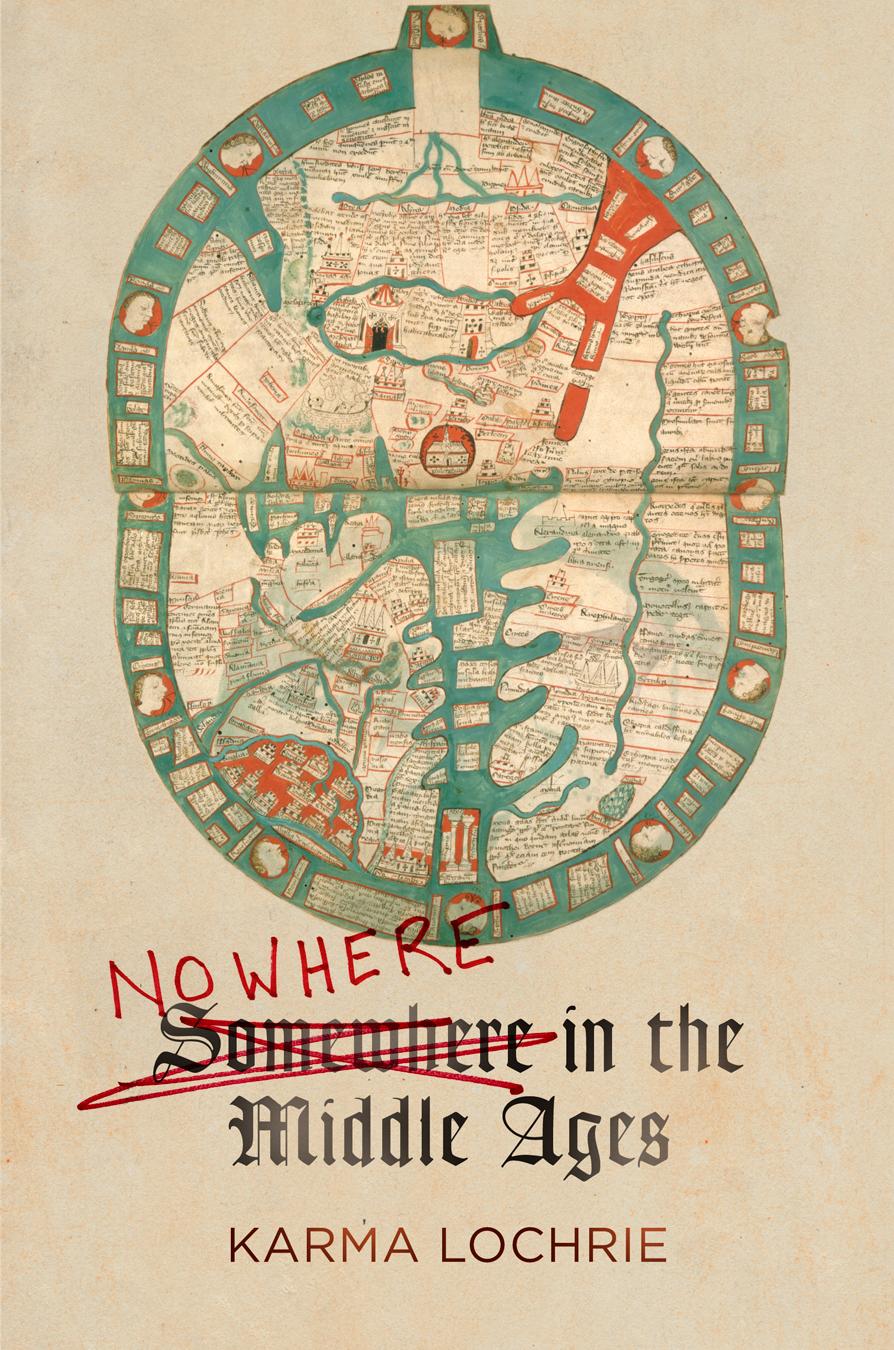
Literary and cultural historians typically cite Thomas More's 1516 Utopia as the source of both a genre and a concept. Karma Lochrie rejects this origin myth of utopianism along with the assumption that people in the Middle Ages were incapable of such thinking. In Nowhere in the Middle Ages, Lochrie reframes the terms of the discussion by revealing how utopian thought was, in fact, "somewhere" in the Middle Ages. In the process, she transforms conventional readings of More's Utopia and challenges the very practice of literary history today.
Drawing on a range of contemporary scholarship on utopianism and a broad premodern archive, Lochrie charts variant utopian strains in medieval literature and philosophy that diverge from More's work and at the same time plot uncanny connections with it. Examining works such as Macrobius's fifth-century Commentary on the Dream of Scipio, Mandeville's Travels, and William Langland's Piers Plowman, she finds evidence of a number of utopian drives, including the rejection of European centrality, a desire for more egalitarian politics, and a rethinking of the division between animals and humans. Nowhere in the Middle Ages insists on the relevance and transformative potential of medieval utopias for More's work and positions the sixteenth-century text as one alternative in a broader historical phenomenon of utopian thinking. Tracing medieval utopianisms forward in literary history to reveal their influences on early modern and modern literature and philosophy, Lochrie demonstrates that looking backward, we might extend future horizons of utopian thinking.
Before Memmo my notes were scattered across PDFs. Now a workspace pulls everything into one place — I see exactly what's still left to study.
Memmo's summaries are gold before exams. I don't have to re-read 800 pages two weeks before — just the important parts.
The AI chat has saved me the night before an exam more than once. I just keep asking until I get it — no waiting on a study group to reply.
The quizzes hit exactly what I need to know. Memmo tracks what I get stuck on — so I only practice what's worth it.
Flashcards with spaced repetition are magic. Memmo knows when I'm about to forget something and brings it back.
The AI podcasts are my favorite. I listen on my way to school and get a recap without sitting at a computer.

Handbok i kvalitativa metoder
281 kr

Hållbar utveckling: en introduktion för ingenjörer och andra problemlösare
334 kr

Brymans Samhällsvetenskapliga metoder
390 kr

Projektledning
491 kr

Den orättvisa hälsan: om socioekonomiska skillnader i hälsa och livslängd
326 kr

Vetenskapsteori för nybörjare
196 kr

Organizational Leadership
429 kr

På väg mot läraryrket
172 kr

Det sociala livet i skolan: Socialpsykologiska perspektiv
253 kr

Betygsättningens didaktik
151 kr

Personality
402 kr

Studying Leadership
404 kr

Managing Innovation
477 kr

Introduktion till samhällsvetenskaplig metod
347 kr

The Psychology of Sex and Gender
698 kr

Evidens och kunskap för socialt arbete
207 kr

Introduction to Leadership
605 kr