
Before Memmo my notes were scattered across PDFs. Now a workspace pulls everything into one place — I see exactly what's still left to study.
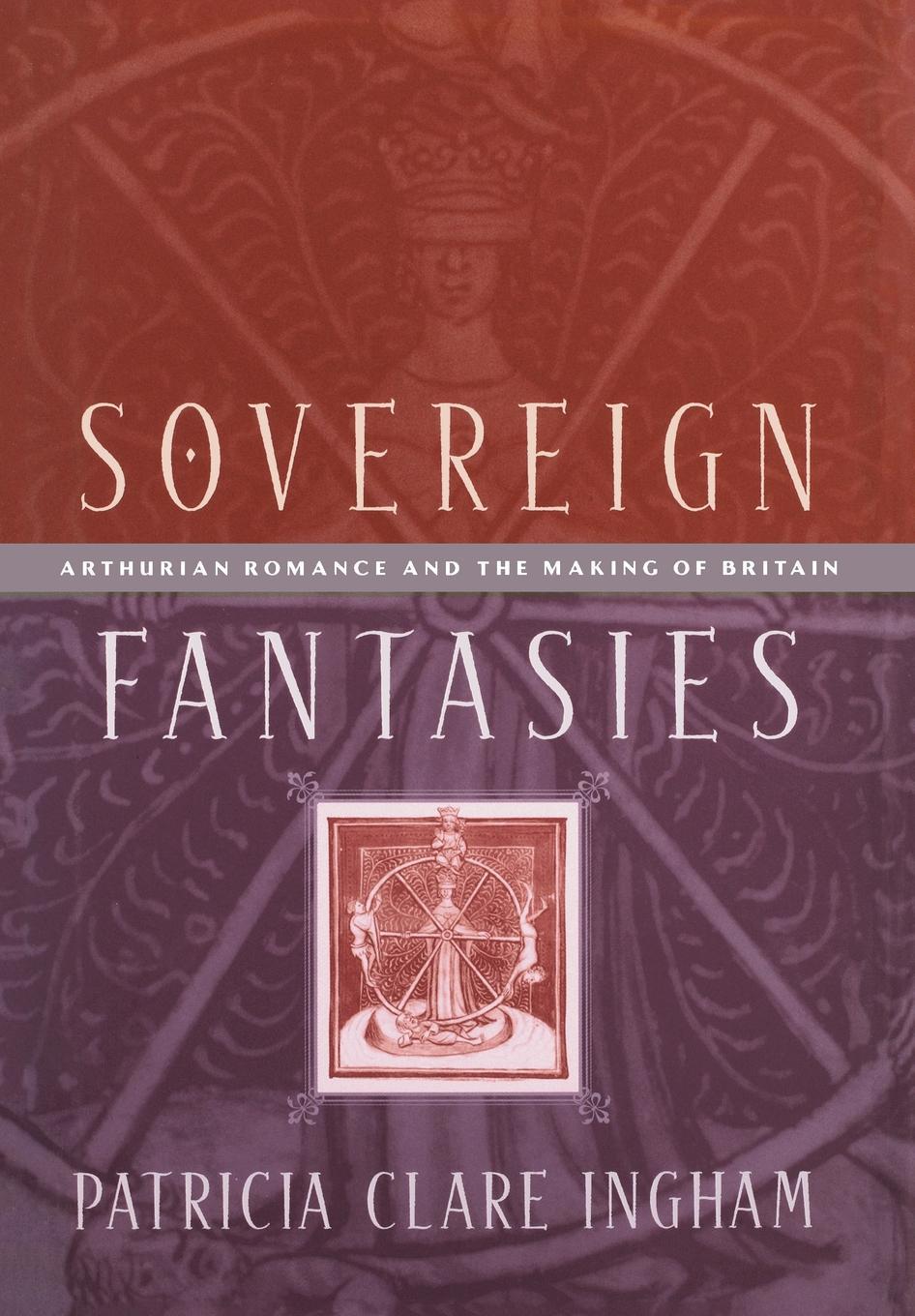
During and after the Hundred Years War, English rulers struggled with a host of dynastic difficulties, including problems of royal succession, volatile relations with their French cousins, and the consolidation of their colonial ambitions toward the areas of Wales and Scotland. Patricia Ingham brings these precarious historical positions to bear on readings of Arthurian literature in Sovereign Fantasies, a provocative work deeply engaged with postcolonial and gender theory.
Ingham argues that late medieval English Arthurian romance has broad cultural ambitions, offering a fantasy of insular union as an "imagined community" of British sovereignty. The Arthurian legends offer a means to explore England's historical indebtedness to and intimacies with Celtic culture, allowing nobles to repudiate their dynastic ties to France and claim themselves heirs to an insular heritage. Yet these traditions also provided a means to critique English conquest, elaborating the problems of centralized sovereignty and the suffering produced by chivalric culture. Texts such as Sir Gawain and the Green Knight, the Alliterative Morte Arthure, and Caxton's edition of Malory's Morte Darthur provide what she terms a "sovereign fantasy" for Britain. That is, Arthurian romance offers a cultural means to explore broad political contestations over British identity and heritage while also detailing the poignant complications and losses that belonging to such a community poses to particular regions and subjects. These contestations and complications emerge in exactly those aspects of the tales usually read as fantasy-for example, in the narratives of Arthur's losses, in the prophecies of his return, and in tales that dwell on death, exotic strangeness, uncanny magic, gender, and sexuality.
Ingham's study suggests the nuances of the insular identity that is emphasized in this body of literature. Sovereign Fantasies shows the significance, rather than the irrelevance, of medieval dynastic motifs to projects of national unification, arguing that medieval studies can contribute to our understanding of national formations in part by marking the losses produced by union.
Before Memmo my notes were scattered across PDFs. Now a workspace pulls everything into one place — I see exactly what's still left to study.
Memmo's summaries are gold before exams. I don't have to re-read 800 pages two weeks before — just the important parts.
The AI chat has saved me the night before an exam more than once. I just keep asking until I get it — no waiting on a study group to reply.
The quizzes hit exactly what I need to know. Memmo tracks what I get stuck on — so I only practice what's worth it.
Flashcards with spaced repetition are magic. Memmo knows when I'm about to forget something and brings it back.
The AI podcasts are my favorite. I listen on my way to school and get a recap without sitting at a computer.

Handbok i kvalitativa metoder
281 kr

Hållbar utveckling: en introduktion för ingenjörer och andra problemlösare
334 kr

Brymans Samhällsvetenskapliga metoder
390 kr

Projektledning
491 kr

Den orättvisa hälsan: om socioekonomiska skillnader i hälsa och livslängd
326 kr

Organizational Leadership
429 kr

Vetenskapsteori för nybörjare
196 kr

På väg mot läraryrket
172 kr

Det sociala livet i skolan: Socialpsykologiska perspektiv
253 kr

Betygsättningens didaktik
151 kr

Personality
402 kr

Studying Leadership
404 kr

Managing Innovation
477 kr

Introduktion till samhällsvetenskaplig metod
347 kr

The Psychology of Sex and Gender
698 kr

Evidens och kunskap för socialt arbete
207 kr

Introduction to Leadership
605 kr