
Before Memmo my notes were scattered across PDFs. Now a workspace pulls everything into one place — I see exactly what's still left to study.
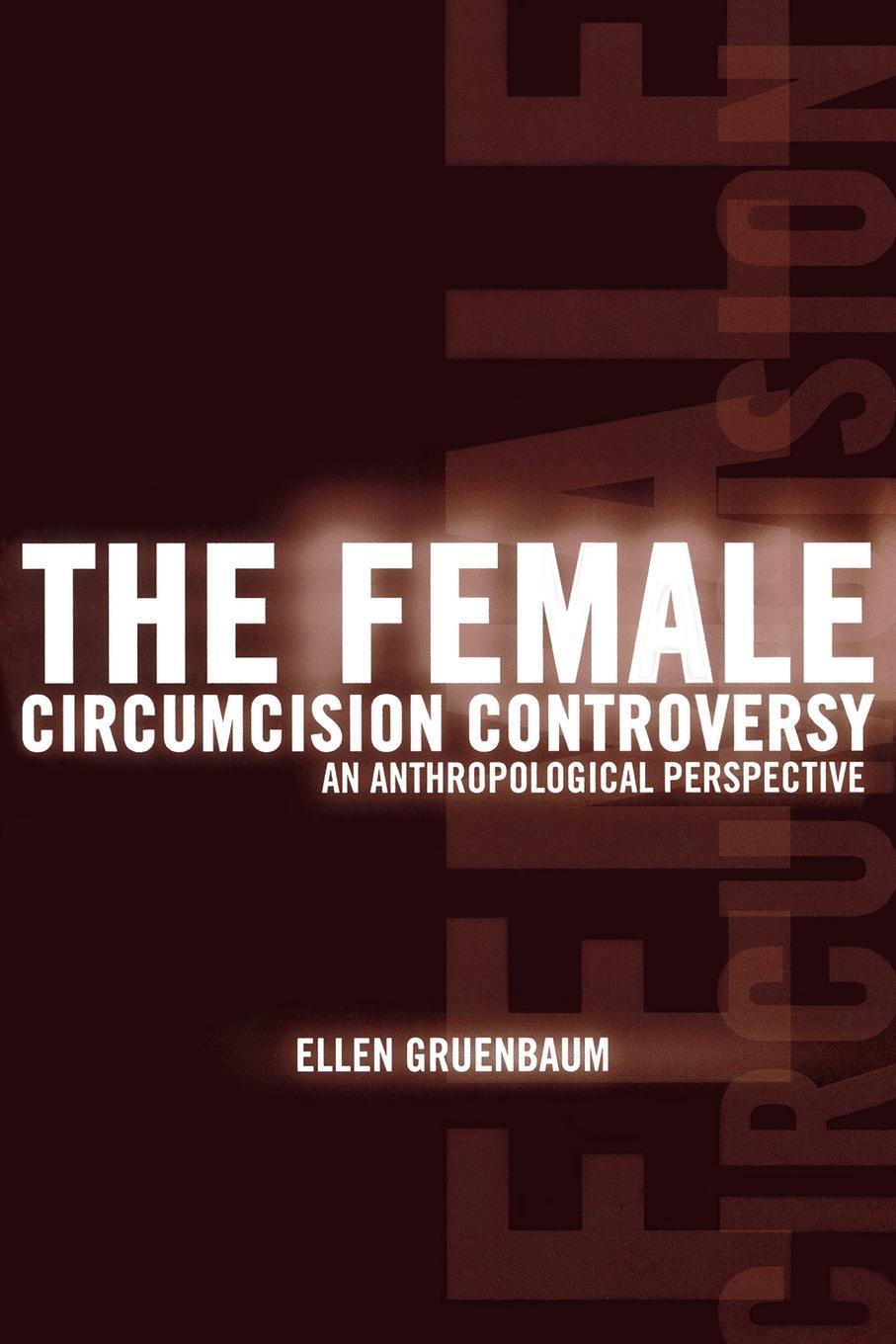
To the Western eye, there is something jarringly incongruous, even shocking, about the image of a six-year-old girl being held down by loving relatives so that her genitals can be cut. Yet two million girls experience this each year. Most Westerners, upon learning of the practice of female circumcision, have responded with outrage; those committed to improving the status of women have gone beyond outrage to action by creating various programs for "eradicating" the practice. But few understand the real life complexities families face in deciding whether to follow the traditional practices or to take the risk of change.
In The Female Circumcision Controversy, Ellen Gruenbaum points out that Western outrage and Western efforts to stop genital mutilation often provoke a strong backlash from people in the countries where the practice is common. She looks at the validity of Western arguments against the practice. In doing so, she explores both outsider and insider perspectives on female circumcision, concentrating particularly on the complex attitudes of the individuals and groups who practice it and on indigenous efforts to end it. Gruenbaum finds that the criticisms of outsiders are frequently simplistic and fail to appreciate the diversity of cultural contexts, the complex meanings, and the conflicting responses to change.
Drawing on over five years of fieldwork in Sudan, where the most severe forms of genital surgery are common, Gruenbaum shows that the practices of female circumcision are deeply embedded in Sudanese cultural traditions—in religious, moral, and aesthetic values, and in ideas about class, ethnicity, and gender. Her research illuminates both the resistance to and the acceptance of change. She shows that change is occurring as the result of economic and social developments, the influences of Islamic activists, the work of Sudanese health educators, and the efforts of educated African women. That does not mean that there is no role for outsiders, Gruenbaum asserts, and she offers suggestions for those who wish to help facilitate change.
By presenting specific cultural contexts and human experiences with a deep knowledge of the tremendous variation of the practice and meaning of female circumcision, Gruenbaum provides an insightful analysis of the process of changing this complex, highly debated practice.
Before Memmo my notes were scattered across PDFs. Now a workspace pulls everything into one place — I see exactly what's still left to study.
Memmo's summaries are gold before exams. I don't have to re-read 800 pages two weeks before — just the important parts.
The AI chat has saved me the night before an exam more than once. I just keep asking until I get it — no waiting on a study group to reply.
The quizzes hit exactly what I need to know. Memmo tracks what I get stuck on — so I only practice what's worth it.
Flashcards with spaced repetition are magic. Memmo knows when I'm about to forget something and brings it back.
The AI podcasts are my favorite. I listen on my way to school and get a recap without sitting at a computer.

Handbok i kvalitativa metoder
281 kr

Hållbar utveckling: en introduktion för ingenjörer och andra problemlösare
334 kr

Brymans Samhällsvetenskapliga metoder
390 kr

Projektledning
491 kr

Den orättvisa hälsan: om socioekonomiska skillnader i hälsa och livslängd
326 kr

Organizational Leadership
429 kr

Vetenskapsteori för nybörjare
196 kr

På väg mot läraryrket
172 kr

Det sociala livet i skolan: Socialpsykologiska perspektiv
253 kr

Betygsättningens didaktik
151 kr

Personality
402 kr

Studying Leadership
404 kr

Managing Innovation
477 kr

Introduktion till samhällsvetenskaplig metod
347 kr

The Psychology of Sex and Gender
698 kr

Evidens och kunskap för socialt arbete
207 kr

Introduction to Leadership
605 kr