
Before Memmo my notes were scattered across PDFs. Now a workspace pulls everything into one place — I see exactly what's still left to study.
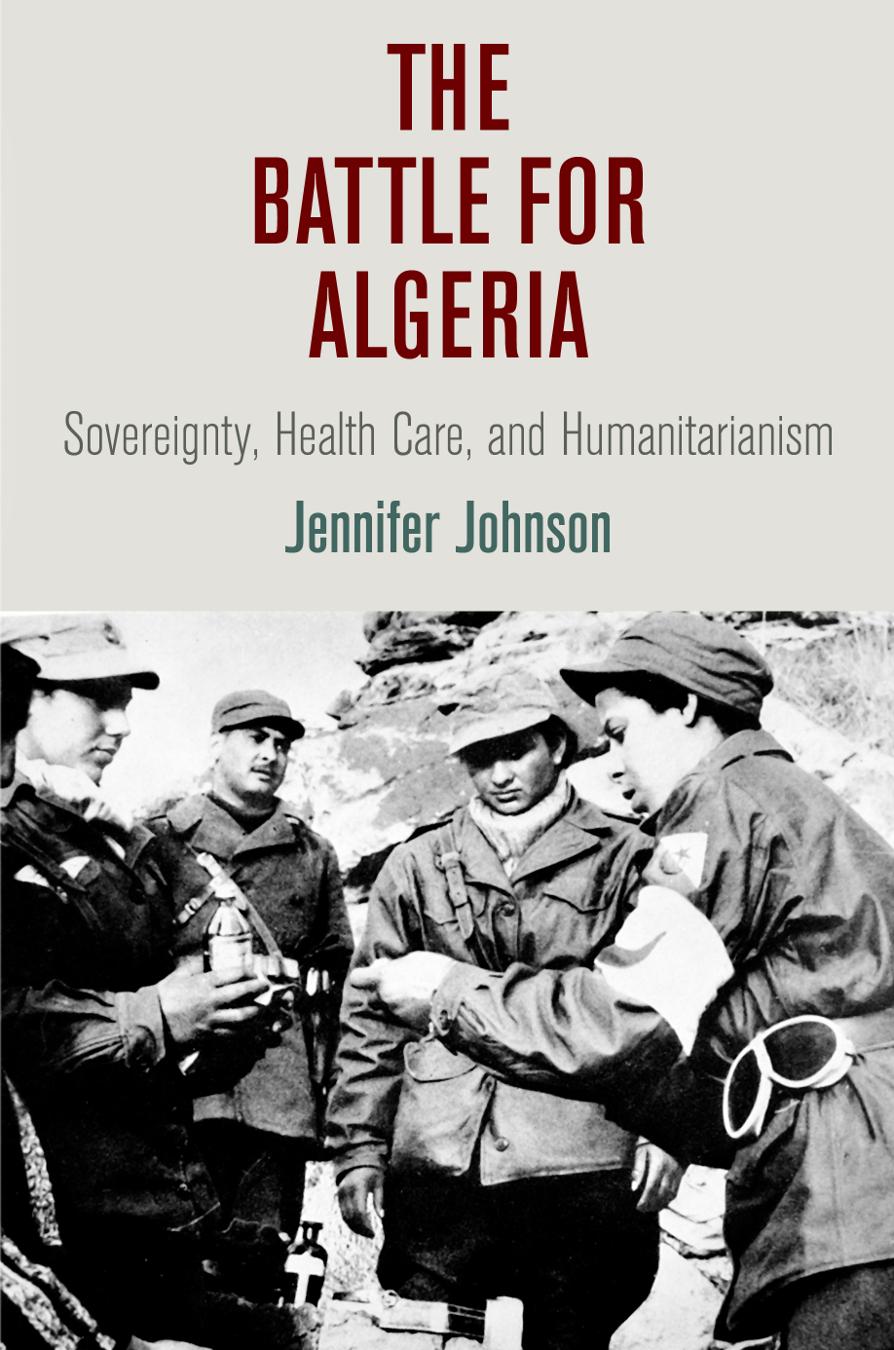
In The Battle for Algeria Jennifer Johnson reinterprets one of the most violent wars of decolonization: the Algerian War (1954-1962). Johnson argues that the conflict was about who—France or the National Liberation Front (FLN)—would exercise sovereignty of Algeria. The fight between the two sides was not simply a military affair; it also involved diverse and competing claims about who was positioned to better care for the Algerian people's health and welfare. Johnson focuses on French and Algerian efforts to engage one another off the physical battlefield and highlights the social dimensions of the FLN's winning strategy, which targeted the local and international arenas. Relying on Algerian sources, which make clear the centrality of health and humanitarianism to the nationalists' war effort, Johnson shows how the FLN leadership constructed national health care institutions that provided critical care for the population and functioned as a protostate. Moreover, Johnson demonstrates how the FLN's representatives used postwar rhetoric about rights and national self-determination to legitimize their claims, which led to international recognition of Algerian sovereignty.
By examining the local context of the war as well as its international dimensions, Johnson deprovincializes North Africa and proposes a new way to analyze how newly independent countries and nationalist movements engage with the international order. The Algerian case exposed the hypocrisy of selectively applying universal discourse and provided a blueprint for claim-making that nonstate actors and anticolonial leaders throughout the Third World emulated. Consequently, The Battle for Algeria explains the FLN's broad appeal and offers new directions for studying nationalism, decolonization, human rights, public health movements, and concepts of sovereignty.
Before Memmo my notes were scattered across PDFs. Now a workspace pulls everything into one place — I see exactly what's still left to study.
Memmo's summaries are gold before exams. I don't have to re-read 800 pages two weeks before — just the important parts.
The AI chat has saved me the night before an exam more than once. I just keep asking until I get it — no waiting on a study group to reply.
The quizzes hit exactly what I need to know. Memmo tracks what I get stuck on — so I only practice what's worth it.
Flashcards with spaced repetition are magic. Memmo knows when I'm about to forget something and brings it back.
The AI podcasts are my favorite. I listen on my way to school and get a recap without sitting at a computer.

Handbok i kvalitativa metoder
281 kr

Hållbar utveckling: en introduktion för ingenjörer och andra problemlösare
334 kr

Brymans Samhällsvetenskapliga metoder
390 kr

Projektledning
491 kr

Den orättvisa hälsan: om socioekonomiska skillnader i hälsa och livslängd
326 kr

Vetenskapsteori för nybörjare
196 kr

Organizational Leadership
429 kr

På väg mot läraryrket
172 kr

Det sociala livet i skolan: Socialpsykologiska perspektiv
253 kr

Betygsättningens didaktik
151 kr

Personality
402 kr

Studying Leadership
404 kr

Managing Innovation
477 kr

Introduktion till samhällsvetenskaplig metod
347 kr

The Psychology of Sex and Gender
698 kr

Evidens och kunskap för socialt arbete
207 kr

Introduction to Leadership
605 kr