
Before Memmo my notes were scattered across PDFs. Now a workspace pulls everything into one place — I see exactly what's still left to study.
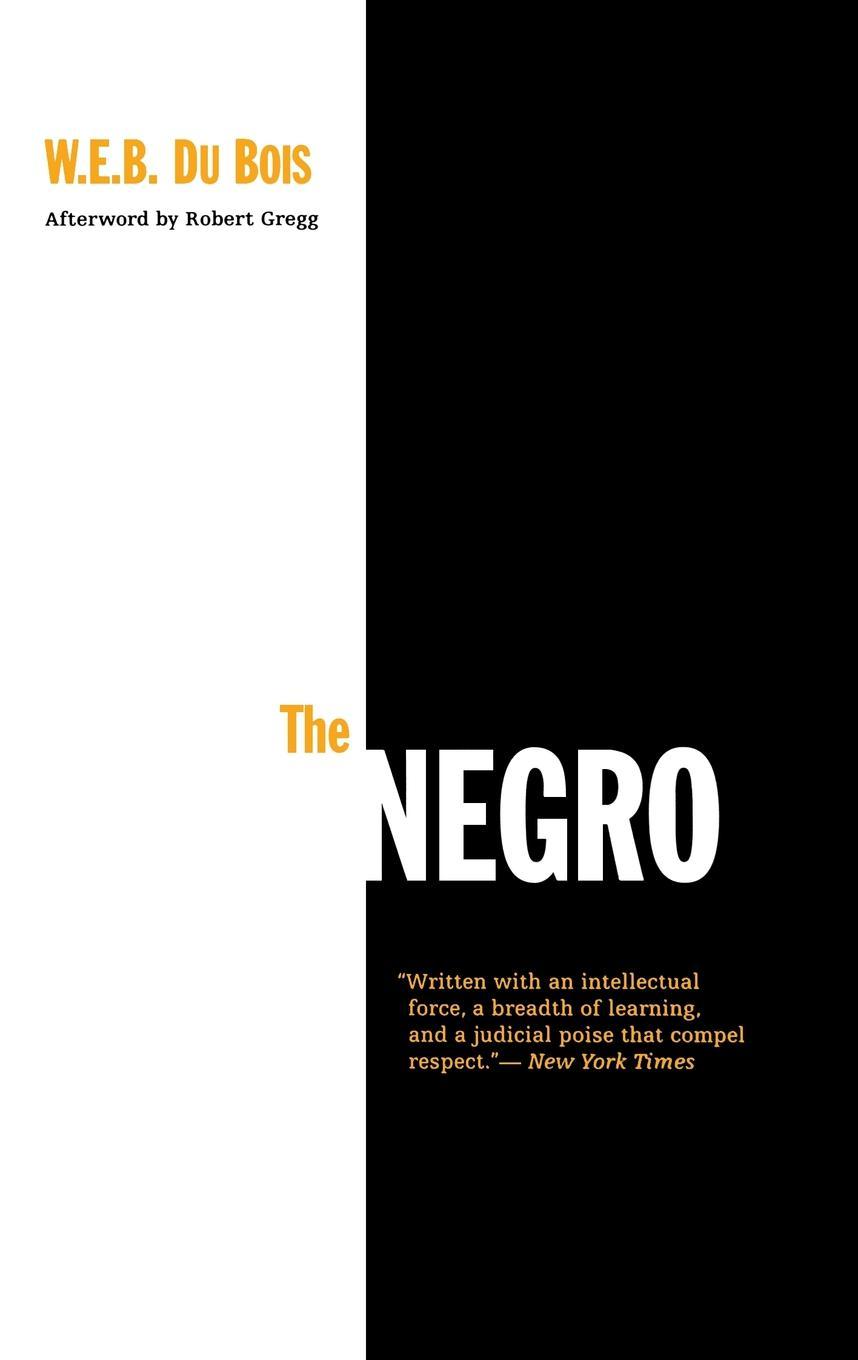
Africa is at once the most romantic and the most tragic of continents. So begins The Negro, the first comprehensive history of African and African-derived people, from their early cultures through the period of the slave trade and into the twentieth century.
Originally published in 1915, the book was acclaimed in its time, widely read, and deeply influential in both the white and black communities, yet this beautifully written history is virtually unknown today. As a wellspring of critical studies of Africa and African Americans, it directly and indirectly influenced and inspired the works of scholars such as C. L. R. James, Eric Williams, Herbert Aptheker, Eric Foner, Kwame Anthony Appiah, and Henry Louis Gates, Jr. One of the most important books on Africa ever written, it remains fresh, dynamic, and insightful to this day.
The Negro is compelling on many levels. By comparing W. E. B. Du Bois's analysis with subsequent scholarship, Robert Gregg demonstrates in his afterword that The Negro was well ahead of its time: Du Bois's view of slavery prefigures both paternalistic perspectives and the materialist view that the system was part of the capitalist mode of production. On black contributions to the Civil War and to the emancipation of slaves, historians have yet to acknowledge all that Du Bois delineated. In his discussion of Reconstruction, Du Bois preempts much later historiography. His identification of segregation as an issue of class rather than race is almost forty years ahead of C. Vann Woodward's similar thesis. As to the matter of race, Du Bois is clear that the concept is a social construct having no foundation in biology.
Intellectually and historically prescient, Du Bois assumed globalization as a matter of course, so that his definition of the color line in The Negro links all colonized peoples, not just people of African descent. With the resolution of the Cold War and the ascendancy of the global market, Du Bois's sweeping vision of Africans and the diaspora seems more relevant now than at any time in the past hundred years.
Before Memmo my notes were scattered across PDFs. Now a workspace pulls everything into one place — I see exactly what's still left to study.
Memmo's summaries are gold before exams. I don't have to re-read 800 pages two weeks before — just the important parts.
The AI chat has saved me the night before an exam more than once. I just keep asking until I get it — no waiting on a study group to reply.
The quizzes hit exactly what I need to know. Memmo tracks what I get stuck on — so I only practice what's worth it.
Flashcards with spaced repetition are magic. Memmo knows when I'm about to forget something and brings it back.
The AI podcasts are my favorite. I listen on my way to school and get a recap without sitting at a computer.

Handbok i kvalitativa metoder
281 kr

Hållbar utveckling: en introduktion för ingenjörer och andra problemlösare
334 kr

Brymans Samhällsvetenskapliga metoder
390 kr

Projektledning
491 kr

Den orättvisa hälsan: om socioekonomiska skillnader i hälsa och livslängd
326 kr

Organizational Leadership
429 kr

Vetenskapsteori för nybörjare
196 kr

På väg mot läraryrket
172 kr

Det sociala livet i skolan: Socialpsykologiska perspektiv
253 kr

Betygsättningens didaktik
151 kr

Personality
402 kr

Studying Leadership
404 kr

Managing Innovation
477 kr

Introduktion till samhällsvetenskaplig metod
347 kr

The Psychology of Sex and Gender
698 kr

Evidens och kunskap för socialt arbete
207 kr

Introduction to Leadership
605 kr