
Before Memmo my notes were scattered across PDFs. Now a workspace pulls everything into one place — I see exactly what's still left to study.
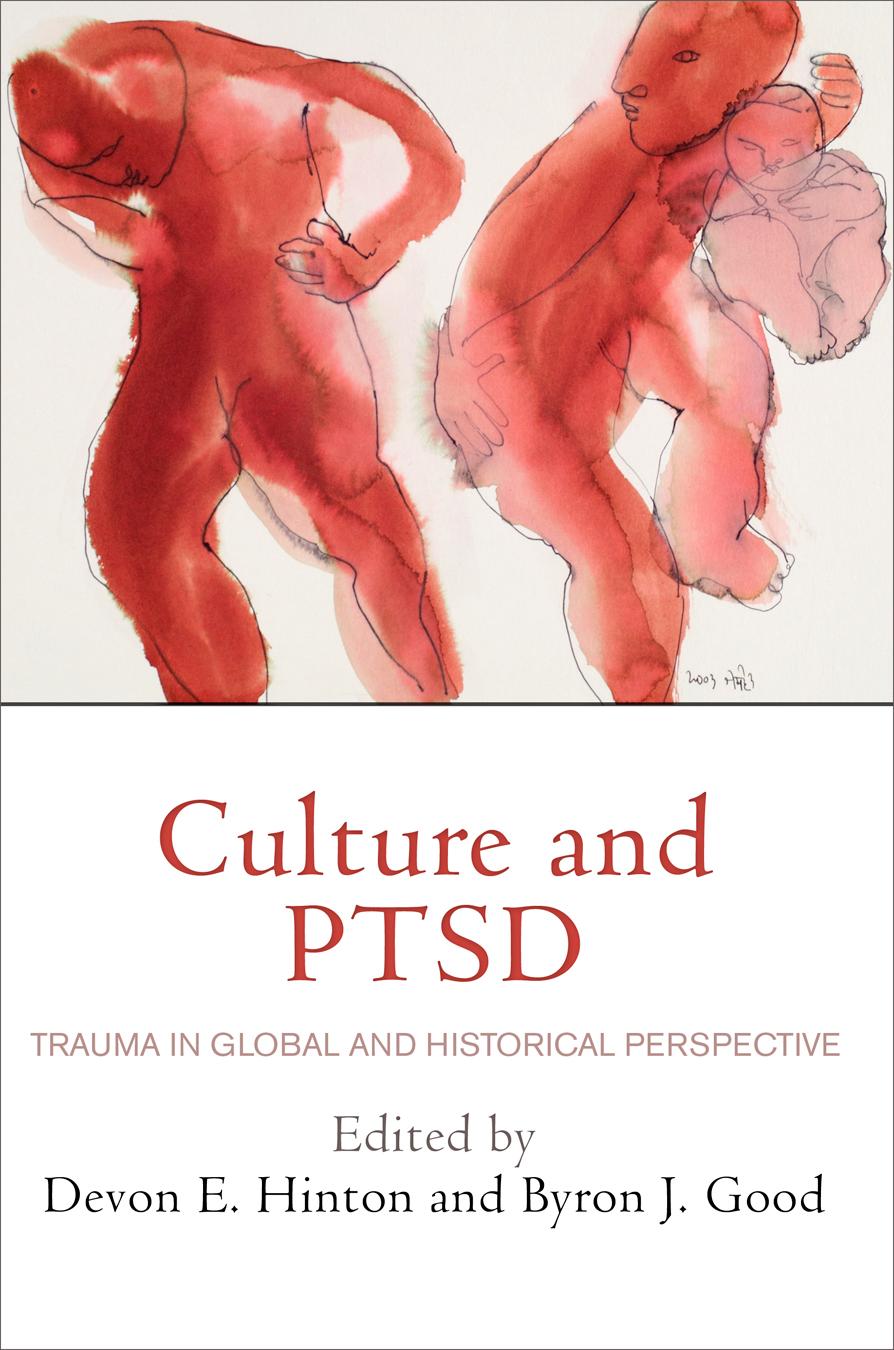
Since the 1970s, understanding of the effects of trauma, including flashbacks and withdrawal, has become widespread in the United States. As a result Americans can now claim that the phrase posttraumatic stress disorder (PTSD) is familiar even if the American Psychiatric Association's criteria for diagnosis are not. As embedded as these ideas now are in the American mindset, however, they are more widely applicable, this volume attempts to show, than is generally recognized. The essays in Culture and PTSD trace how trauma and its effects vary across historical and cultural contexts.
Culture and PTSD examines the applicability of PTSD to other cultural contexts and details local responses to trauma and the extent they vary from PTSD as defined in the American Psychiatric Association's Diagnostic and Statistical Manual. Investigating responses in Peru, Indonesia, Haiti, and Native American communities as well as among combat veterans, domestic abuse victims, and adolescents, contributors attempt to address whether PTSD symptoms are present and, if so, whether they are a salient part of local responses to trauma. Moreover, the authors explore other important aspects of the local presentation and experience of trauma-related disorder, whether the Western concept of PTSD is known to lay members of society, and how the introduction of PTSD shapes local understandings and the course of trauma-related disorders.
By attempting to determine whether treatments developed for those suffering PTSD in American and European contexts are effective in global settings of violence or disaster, Culture and PTSD questions the efficacy of international responses that focus on trauma.
Contributors: Carmela Alcántara, Tom Ball, James K. Boehnlein, Naomi Breslau, Whitney Duncan, Byron J. Good, Mary-Jo DelVecchio Good, Jesse H. Grayman, Bridget M. Haas, Devon E. Hinton, Erica James, Janis H. Jenkins, Hanna Kienzler, Brandon Kohrt, Roberto Lewis-Fernández, Richard J. McNally, Theresa D. O'Nell, Duncan Pedersen, Nawaraj Upadhaya, Carol M. Worthman, Allan Young.
Before Memmo my notes were scattered across PDFs. Now a workspace pulls everything into one place — I see exactly what's still left to study.
Memmo's summaries are gold before exams. I don't have to re-read 800 pages two weeks before — just the important parts.
The AI chat has saved me the night before an exam more than once. I just keep asking until I get it — no waiting on a study group to reply.
The quizzes hit exactly what I need to know. Memmo tracks what I get stuck on — so I only practice what's worth it.
Flashcards with spaced repetition are magic. Memmo knows when I'm about to forget something and brings it back.
The AI podcasts are my favorite. I listen on my way to school and get a recap without sitting at a computer.

Handbok i kvalitativa metoder
281 kr

Hållbar utveckling: en introduktion för ingenjörer och andra problemlösare
334 kr

Brymans Samhällsvetenskapliga metoder
390 kr

Projektledning
491 kr

Den orättvisa hälsan: om socioekonomiska skillnader i hälsa och livslängd
326 kr

Organizational Leadership
429 kr

Vetenskapsteori för nybörjare
196 kr

På väg mot läraryrket
172 kr

Det sociala livet i skolan: Socialpsykologiska perspektiv
253 kr

Betygsättningens didaktik
151 kr

Personality
402 kr

Studying Leadership
404 kr

Managing Innovation
477 kr

Introduktion till samhällsvetenskaplig metod
347 kr

The Psychology of Sex and Gender
698 kr

Evidens och kunskap för socialt arbete
207 kr

Introduction to Leadership
605 kr