
Before Memmo my notes were scattered across PDFs. Now a workspace pulls everything into one place — I see exactly what's still left to study.
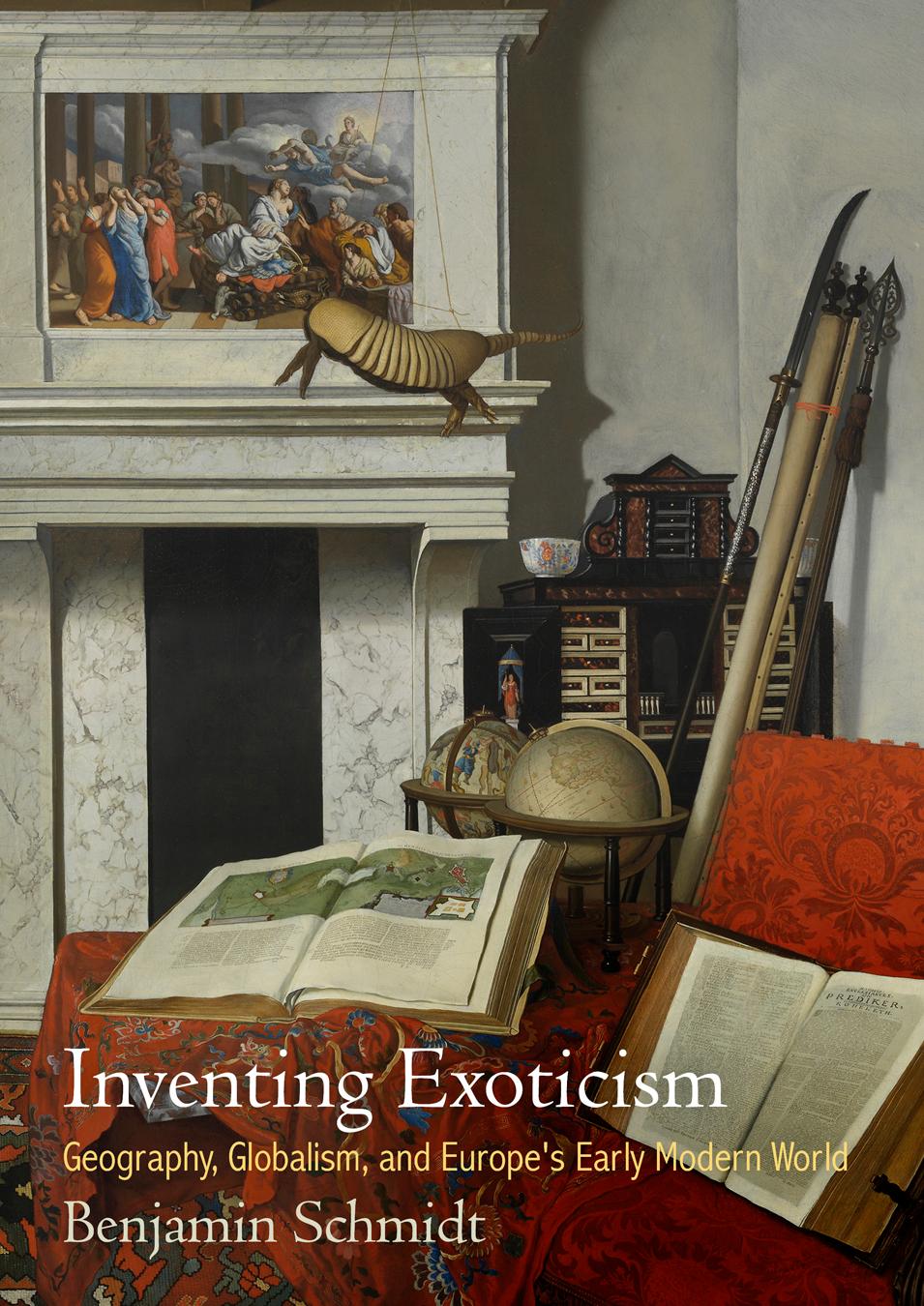
As early modern Europe launched its multiple projects of global empire, it simultaneously embarked on an ambitious program of describing and picturing the world. The shapes and meanings of the extraordinary global images that emerged from this process form the subject of this highly original and richly textured study of cultural geography. Inventing Exoticism draws on a vast range of sources from history, literature, science, and art to describe the energetic and sustained international engagements that gave birth to our modern conceptions of exoticism and globalism.
Illustrated with more than two hundred images of engravings, paintings, ceramics, and more, Inventing Exoticism shows, in vivid example and persuasive detail, how Europeans came to see and understand the world at an especially critical juncture of imperial imagination. At the turn to the eighteenth century, European markets were flooded by books and artifacts that described or otherwise evoked non-European realms: histories and ethnographies of overseas kingdoms, travel narratives and decorative maps, lavishly produced tomes illustrating foreign flora and fauna, and numerous decorative objects in the styles of distant cultures. Inventing Exoticism meticulously analyzes these, while further identifying the particular role of the Dutch—"Carryers of the World," as Defoe famously called them—in the business of exotica. The form of early modern exoticism that sold so well, as this book shows, originated not with expansion-minded imperialists of London and Paris, but in the canny ateliers of Holland. By scrutinizing these materials from the perspectives of both producers and consumers—and paying close attention to processes of cultural mediation—Inventing Exoticism interrogates traditional postcolonial theories of knowledge and power. It proposes a wholly revisionist understanding of geography in a pivotal age of expansion and offers a crucial historical perspective on our own global culture as it engages in a media-saturated world.
Before Memmo my notes were scattered across PDFs. Now a workspace pulls everything into one place — I see exactly what's still left to study.
Memmo's summaries are gold before exams. I don't have to re-read 800 pages two weeks before — just the important parts.
The AI chat has saved me the night before an exam more than once. I just keep asking until I get it — no waiting on a study group to reply.
The quizzes hit exactly what I need to know. Memmo tracks what I get stuck on — so I only practice what's worth it.
Flashcards with spaced repetition are magic. Memmo knows when I'm about to forget something and brings it back.
The AI podcasts are my favorite. I listen on my way to school and get a recap without sitting at a computer.

Handbok i kvalitativa metoder
281 kr

Hållbar utveckling: en introduktion för ingenjörer och andra problemlösare
334 kr

Brymans Samhällsvetenskapliga metoder
390 kr

Projektledning
491 kr

Den orättvisa hälsan: om socioekonomiska skillnader i hälsa och livslängd
326 kr

Organizational Leadership
429 kr

Vetenskapsteori för nybörjare
196 kr

På väg mot läraryrket
172 kr

Det sociala livet i skolan: Socialpsykologiska perspektiv
253 kr

Betygsättningens didaktik
151 kr

Personality
402 kr

Studying Leadership
404 kr

Managing Innovation
477 kr

Introduktion till samhällsvetenskaplig metod
347 kr

The Psychology of Sex and Gender
698 kr

Evidens och kunskap för socialt arbete
207 kr

Introduction to Leadership
605 kr