
Before Memmo my notes were scattered across PDFs. Now a workspace pulls everything into one place — I see exactly what's still left to study.
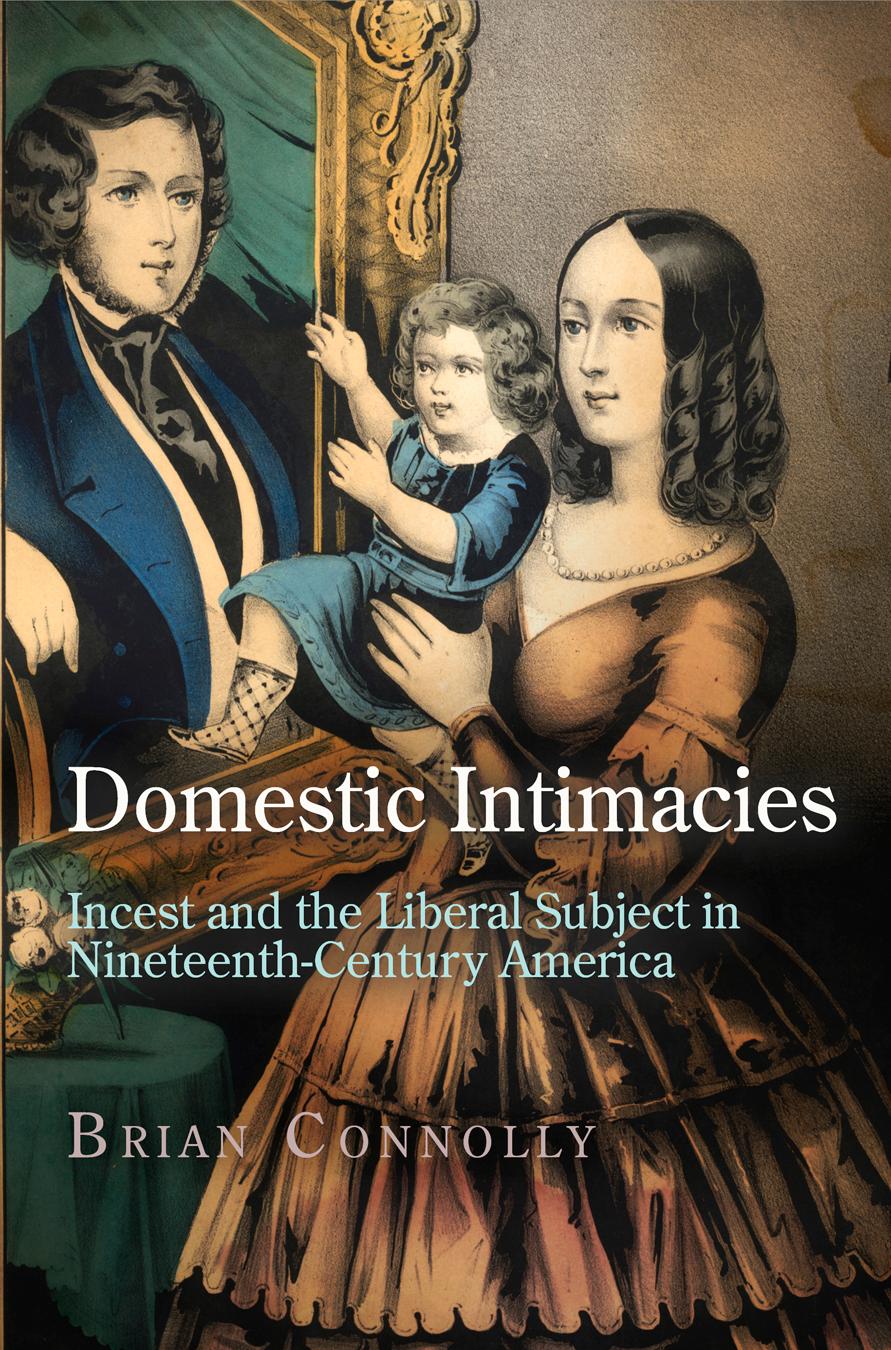
Although it is commonly thought that incest has been taboo throughout history, nineteenth-century Americans evinced a great cultural anxiety that the prohibition was failing. Theologians debated the meaning and limits of biblical proscription, while jurists abandoned such injunctions and invented a new prohibition organized around the nuclear family. Novelists crafted fictional tales of accidental incest resulting from the severed ties between public and private life, while antislavery writers lamented the ramifications of breaking apart enslaved families. Phrenologists and physiologists established reproduction as the primary motivation of the incest prohibition while naturalizing the incestuous eroticism of sentimental family affection. Ethnographers imagined incest as the norm in so-called primitive societies in contrast to modern civilization. In the absence of clear biological or religious limitations, the young republic developed numerous, varied, and contradictory incest prohibitions.
Domestic Intimacies offers a wide-ranging, critical history of incest and its various prohibitions as they were defined throughout the nineteenth century. Historian Brian Connolly argues that at the center of these convergent anxieties and debates lay the idea of the liberal subject: an autonomous individual who acted on his own desires yet was tempered by reason, who enjoyed a life in public yet was expected to find his greatest satisfaction in family and home. Always lurking was the need to exercise personal freedom with restraint; indeed, the valorization of the affectionate family was rooted in its capacity to act as a bulwark against licentiousness. However it was defined, incest was thus not only perceived as a threat to social stability; it also functioned to regulate social relations—within families and between classes as well as among women and men, slaves and free citizens, strangers and friends. Domestic Intimacies overturns conventional histories of American liberalism by placing the fear of incest at the heart of nineteenth-century conflicts over public life and privacy, kinship and individualism, social contracts and personal freedom.
Before Memmo my notes were scattered across PDFs. Now a workspace pulls everything into one place — I see exactly what's still left to study.
Memmo's summaries are gold before exams. I don't have to re-read 800 pages two weeks before — just the important parts.
The AI chat has saved me the night before an exam more than once. I just keep asking until I get it — no waiting on a study group to reply.
The quizzes hit exactly what I need to know. Memmo tracks what I get stuck on — so I only practice what's worth it.
Flashcards with spaced repetition are magic. Memmo knows when I'm about to forget something and brings it back.
The AI podcasts are my favorite. I listen on my way to school and get a recap without sitting at a computer.

Handbok i kvalitativa metoder
281 kr

Hållbar utveckling: en introduktion för ingenjörer och andra problemlösare
334 kr

Brymans Samhällsvetenskapliga metoder
390 kr

Projektledning
491 kr

Den orättvisa hälsan: om socioekonomiska skillnader i hälsa och livslängd
326 kr

Organizational Leadership
429 kr

Vetenskapsteori för nybörjare
196 kr

På väg mot läraryrket
172 kr

Det sociala livet i skolan: Socialpsykologiska perspektiv
253 kr

Betygsättningens didaktik
151 kr

Personality
402 kr

Studying Leadership
404 kr

Managing Innovation
477 kr

Introduktion till samhällsvetenskaplig metod
347 kr

The Psychology of Sex and Gender
698 kr

Evidens och kunskap för socialt arbete
207 kr

Introduction to Leadership
605 kr