
Before Memmo my notes were scattered across PDFs. Now a workspace pulls everything into one place — I see exactly what's still left to study.
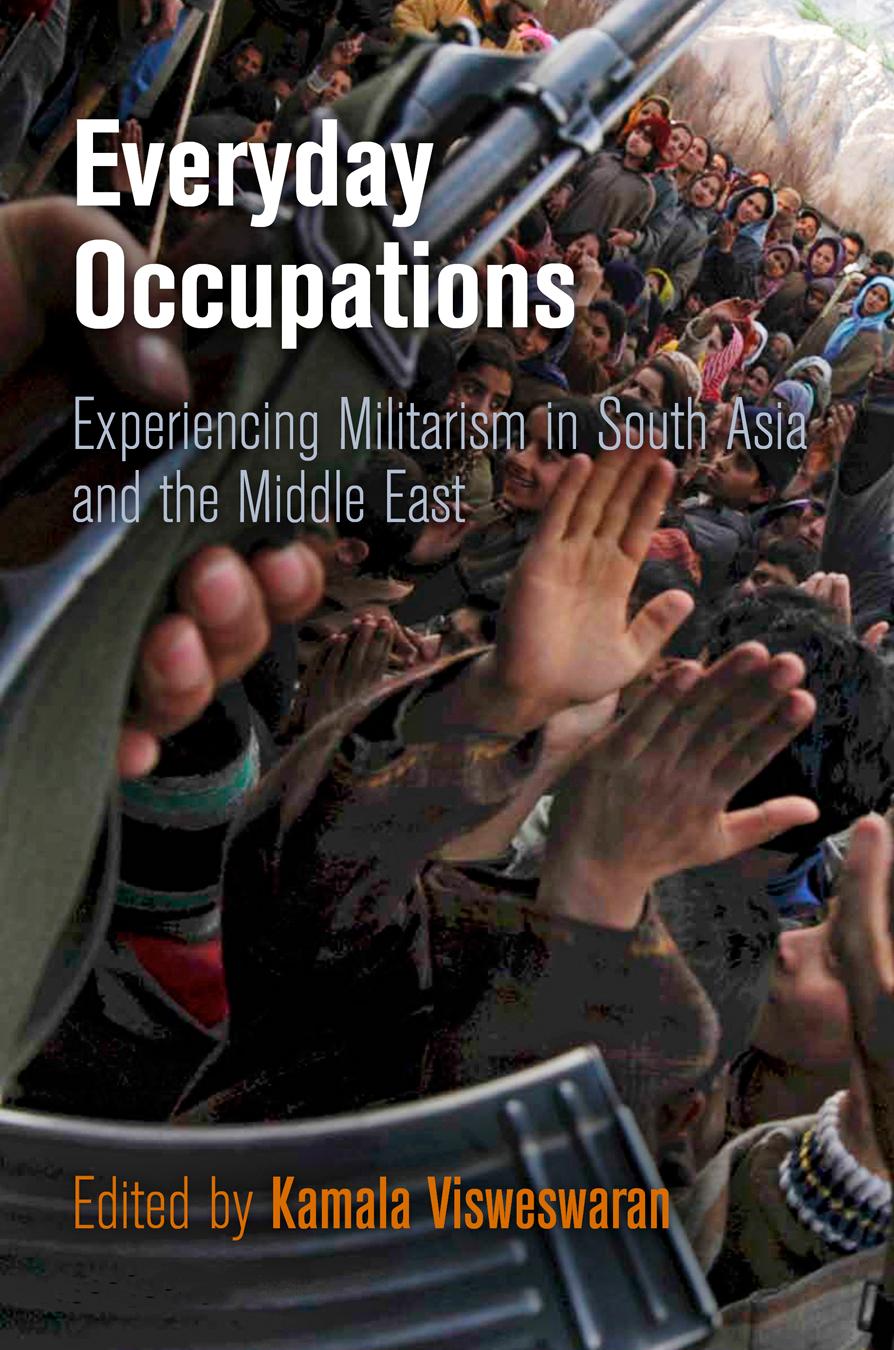
In the twenty-first century, political conflict and militarization have come to constitute a global social condition rather than a political exception. Military occupation increasingly informs the politics of both democracies and dictatorships, capitalist and formerly socialist regimes, raising questions about its relationship to sovereignty and the nation-state form. Israel and India are two of the world's most powerful postwar democracies yet have long-standing military occupations. Pakistan, Bangladesh, and Turkey have passed through periods of military dictatorship, but democracy has yielded little for their ethnic minorities who have been incorporated into the electoral process. Sri Lanka and Bangladesh (like India, Pakistan, and Turkey) have felt the imprint of socialism; declarations of peace after long periods of conflict in these countries have not improved the conditions of their minority or indigenous peoples but rather have resulted in "violent peace" and remilitarization. Indeed, the existence of standing troops and ongoing state violence against peoples struggling for self-determination in these regions suggests the expanding and everyday nature of military occupation. Such everydayness raises larger issues about the dominant place of the military in society and the social values surrounding militarism.
Everyday Occupations examines militarization from the standpoints of both occupier and occupied. With attention to gender, poetics, satire, and popular culture, contributors who have lived and worked in occupied areas in the Middle East and South Asia explore what kinds of society are foreclosed or made possible by militarism. The outcome is a powerful contribution to the ethnography of political violence.
Contributors: Nosheen Ali, Kabita Chakma, Richard Falk, Sandya Hewamanne, Mohamad Junaid, Rhoda Kanaaneh, Hisyar Ozsoy, Cheran Rudhramoorthy, Serap Ruken Sengul, Kamala Visweswaran.
Before Memmo my notes were scattered across PDFs. Now a workspace pulls everything into one place — I see exactly what's still left to study.
Memmo's summaries are gold before exams. I don't have to re-read 800 pages two weeks before — just the important parts.
The AI chat has saved me the night before an exam more than once. I just keep asking until I get it — no waiting on a study group to reply.
The quizzes hit exactly what I need to know. Memmo tracks what I get stuck on — so I only practice what's worth it.
Flashcards with spaced repetition are magic. Memmo knows when I'm about to forget something and brings it back.
The AI podcasts are my favorite. I listen on my way to school and get a recap without sitting at a computer.

Handbok i kvalitativa metoder
281 kr

Hållbar utveckling: en introduktion för ingenjörer och andra problemlösare
334 kr

Brymans Samhällsvetenskapliga metoder
390 kr

Projektledning
491 kr

Den orättvisa hälsan: om socioekonomiska skillnader i hälsa och livslängd
326 kr

Organizational Leadership
429 kr

Vetenskapsteori för nybörjare
196 kr

På väg mot läraryrket
172 kr

Det sociala livet i skolan: Socialpsykologiska perspektiv
253 kr

Betygsättningens didaktik
151 kr

Personality
402 kr

Studying Leadership
404 kr

Managing Innovation
477 kr

Introduktion till samhällsvetenskaplig metod
347 kr

The Psychology of Sex and Gender
698 kr

Evidens och kunskap för socialt arbete
207 kr

Introduction to Leadership
605 kr