
Before Memmo my notes were scattered across PDFs. Now a workspace pulls everything into one place — I see exactly what's still left to study.
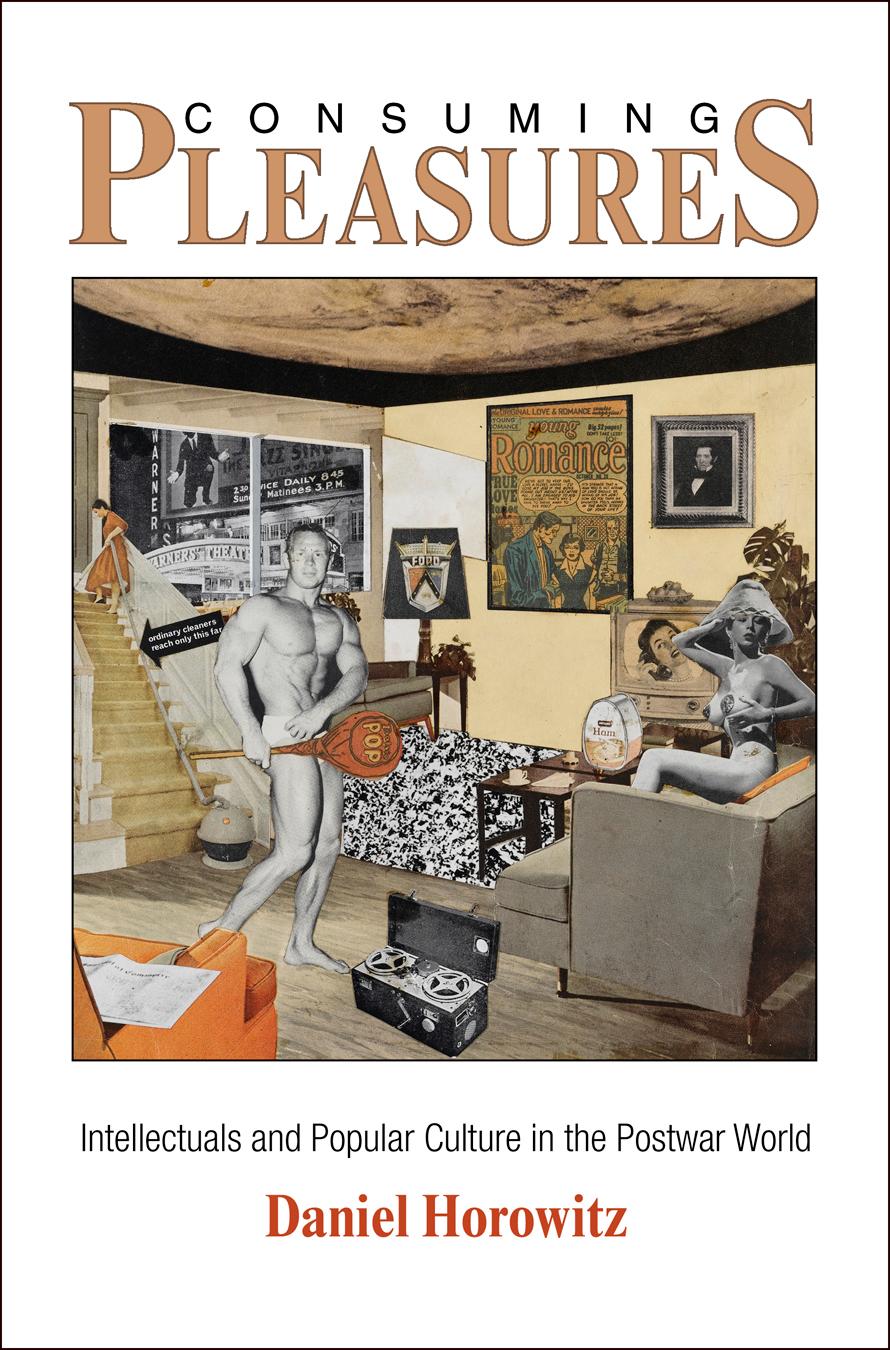
How is it that American intellectuals, who had for 150 years worried about the deleterious effects of affluence, more recently began to emphasize pleasure, playfulness, and symbolic exchange as the essence of a vibrant consumer culture? The New York intellectuals of the 1930s rejected any serious or analytical discussion, let alone appreciation, of popular culture, which they viewed as morally questionable. Beginning in the 1950s, however, new perspectives emerged outside and within the United States that challenged this dominant thinking. Consuming Pleasures reveals how a group of writers shifted attention from condemnation to critical appreciation, critiqued cultural hierarchies and moralistic approaches, and explored the symbolic processes by which individuals and groups communicate.
Historian Daniel Horowitz traces the emergence of these new perspectives through a series of intellectual biographies. With writers and readers from the United States at the center, the story begins in Western Europe in the early 1950s and ends in the early 1970s, when American intellectuals increasingly appreciated the rich inventiveness of popular culture. Drawing on sources both familiar and newly discovered, this transnational intellectual history plays familiar works off each other in fresh ways. Among those whose work is featured are Jürgen Habermas, Roland Barthes, Umberto Eco, Walter Benjamin, C. L. R. James, David Riesman and Marshall McLuhan, Richard Hoggart, members of London's Independent Group, Stuart Hall, Paddy Whannel, Tom Wolfe, Herbert Gans, Susan Sontag, Reyner Banham, and Robert Venturi and Denise Scott Brown.
Before Memmo my notes were scattered across PDFs. Now a workspace pulls everything into one place — I see exactly what's still left to study.
Memmo's summaries are gold before exams. I don't have to re-read 800 pages two weeks before — just the important parts.
The AI chat has saved me the night before an exam more than once. I just keep asking until I get it — no waiting on a study group to reply.
The quizzes hit exactly what I need to know. Memmo tracks what I get stuck on — so I only practice what's worth it.
Flashcards with spaced repetition are magic. Memmo knows when I'm about to forget something and brings it back.
The AI podcasts are my favorite. I listen on my way to school and get a recap without sitting at a computer.

Handbok i kvalitativa metoder
281 kr

Hållbar utveckling: en introduktion för ingenjörer och andra problemlösare
334 kr

Brymans Samhällsvetenskapliga metoder
390 kr

Projektledning
491 kr

Den orättvisa hälsan: om socioekonomiska skillnader i hälsa och livslängd
326 kr

Organizational Leadership
429 kr

Vetenskapsteori för nybörjare
196 kr

På väg mot läraryrket
172 kr

Det sociala livet i skolan: Socialpsykologiska perspektiv
253 kr

Betygsättningens didaktik
151 kr

Personality
402 kr

Studying Leadership
404 kr

Managing Innovation
477 kr

Introduktion till samhällsvetenskaplig metod
347 kr

The Psychology of Sex and Gender
698 kr

Evidens och kunskap för socialt arbete
207 kr

Introduction to Leadership
605 kr