
Before Memmo my notes were scattered across PDFs. Now a workspace pulls everything into one place — I see exactly what's still left to study.
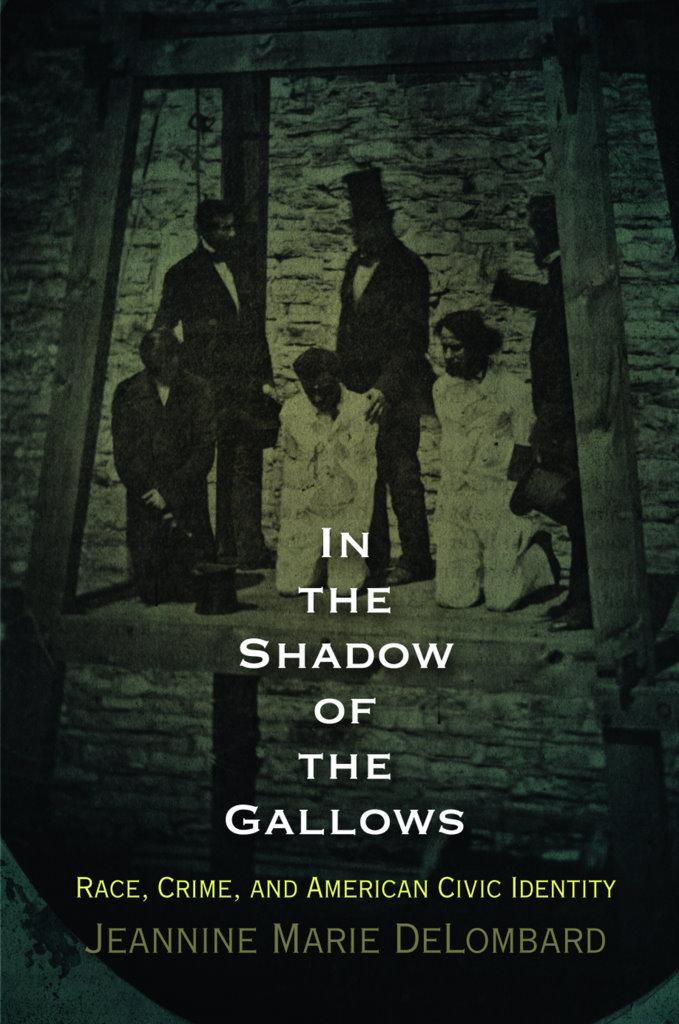
From Puritan Execution Day rituals to gangsta rap, the black criminal has been an enduring presence in American culture. To understand why, Jeannine Marie DeLombard insists, we must set aside the lenses of pathology and persecution and instead view the African American felon from the far more revealing perspectives of publicity and personhood. When the Supreme Court declared in Dred Scott that African Americans have "no rights which the white man was bound to respect," it overlooked the right to due process, which ensured that black offenders—even slaves—appeared as persons in the eyes of the law. In the familiar account of African Americans' historical shift "from plantation to prison," we have forgotten how, for a century before the Civil War, state punishment affirmed black political membership in the breach, while a thriving popular crime literature provided early America's best-known models of individual black selfhood. Before there was the slave narrative, there was the criminal confession.
Placing the black condemned at the forefront of the African American canon allows us to see how a later generation of enslaved activists—most notably, Frederick Douglass—could marshal the public presence and civic authority necessary to fashion themselves as eligible citizens. At the same time, in an era when abolitionists were charging Americans with the national crime of "manstealing," a racialized sense of culpability became equally central to white civic identity. What, for African Americans, is the legacy of a citizenship grounded in culpable personhood? For white Americans, must membership in a nation built on race slavery always betoken guilt? In the Shadow of the Gallows reads classics by J. Hector St. John de Crèvecoeur, Edgar Allan Poe, Frederick Douglass, Herman Melville, George Lippard, and Edward Everett Hale alongside execution sermons, criminal confessions, trial transcripts, philosophical treatises, and political polemics to address fundamental questions about race, responsibility, and American civic belonging.
Before Memmo my notes were scattered across PDFs. Now a workspace pulls everything into one place — I see exactly what's still left to study.
Memmo's summaries are gold before exams. I don't have to re-read 800 pages two weeks before — just the important parts.
The AI chat has saved me the night before an exam more than once. I just keep asking until I get it — no waiting on a study group to reply.
The quizzes hit exactly what I need to know. Memmo tracks what I get stuck on — so I only practice what's worth it.
Flashcards with spaced repetition are magic. Memmo knows when I'm about to forget something and brings it back.
The AI podcasts are my favorite. I listen on my way to school and get a recap without sitting at a computer.

Handbok i kvalitativa metoder
281 kr

Hållbar utveckling: en introduktion för ingenjörer och andra problemlösare
334 kr

Brymans Samhällsvetenskapliga metoder
390 kr

Projektledning
491 kr

Den orättvisa hälsan: om socioekonomiska skillnader i hälsa och livslängd
326 kr

Vetenskapsteori för nybörjare
196 kr

Organizational Leadership
429 kr

På väg mot läraryrket
172 kr

Det sociala livet i skolan: Socialpsykologiska perspektiv
253 kr

Betygsättningens didaktik
151 kr

Personality
402 kr

Studying Leadership
404 kr

Managing Innovation
477 kr

Introduktion till samhällsvetenskaplig metod
347 kr

The Psychology of Sex and Gender
698 kr

Evidens och kunskap för socialt arbete
207 kr

Introduction to Leadership
605 kr