
Before Memmo my notes were scattered across PDFs. Now a workspace pulls everything into one place — I see exactly what's still left to study.
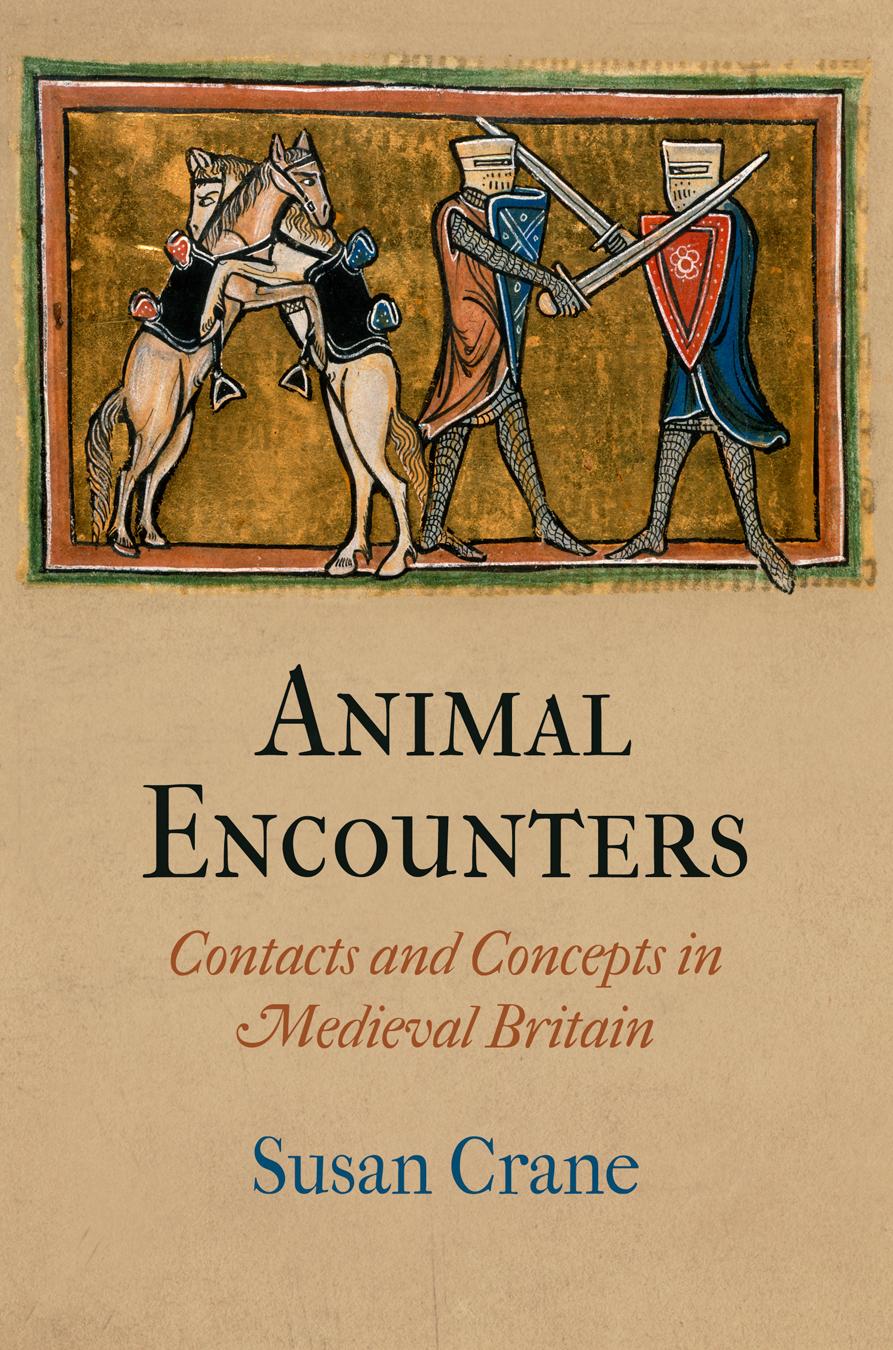
Traces of the living animal run across the entire corpus of medieval writing and reveal how pervasively animals mattered in medieval thought and practice. In fascinating scenes of cross-species encounters, a raven offers St. Cuthbert a lump of lard that waterproofs his visitors' boots for a whole year, a scholar finds inspiration for his studies in his cat's perfect focus on killing mice, and a dispossessed knight wins back his heritage only to give it up again in order to save the life of his warhorse. Readers have often taken such encounters to be merely figurative or fanciful, but Susan Crane discovers that these scenes of interaction are firmly grounded in the intimate cohabitation with animals that characterized every medieval milieu from palace to village. The animal encounters of medieval literature reveal their full meaning only when we recover the living animal's place within the written animal.
The grip of a certain humanism was strong in medieval Britain, as it is today: the humanism that conceives animals in diametrical opposition to humankind. Yet medieval writing was far from univocal in this regard. Latin and vernacular works abound in other ways of thinking about animals that invite the saint, the scholar, and the knight to explore how bodies and minds interpenetrate across species lines. Crane brings these other ways of thinking to light in her readings of the beast fable, the hunting treatise, the saint's life, the bestiary, and other genres. Her substantial contribution to the field of animal studies investigates how animals and people interact in culture making, how conceiving the animal is integral to conceiving the human, and how cross-species encounters transform both their animal and their human participants.
Before Memmo my notes were scattered across PDFs. Now a workspace pulls everything into one place — I see exactly what's still left to study.
Memmo's summaries are gold before exams. I don't have to re-read 800 pages two weeks before — just the important parts.
The AI chat has saved me the night before an exam more than once. I just keep asking until I get it — no waiting on a study group to reply.
The quizzes hit exactly what I need to know. Memmo tracks what I get stuck on — so I only practice what's worth it.
Flashcards with spaced repetition are magic. Memmo knows when I'm about to forget something and brings it back.
The AI podcasts are my favorite. I listen on my way to school and get a recap without sitting at a computer.

Handbok i kvalitativa metoder
281 kr

Hållbar utveckling: en introduktion för ingenjörer och andra problemlösare
334 kr

Brymans Samhällsvetenskapliga metoder
390 kr

Projektledning
491 kr

Den orättvisa hälsan: om socioekonomiska skillnader i hälsa och livslängd
326 kr

Vetenskapsteori för nybörjare
196 kr

Organizational Leadership
429 kr

På väg mot läraryrket
172 kr

Det sociala livet i skolan: Socialpsykologiska perspektiv
253 kr

Betygsättningens didaktik
151 kr

Personality
402 kr

Studying Leadership
404 kr

Managing Innovation
477 kr

Introduktion till samhällsvetenskaplig metod
347 kr

The Psychology of Sex and Gender
698 kr

Evidens och kunskap för socialt arbete
207 kr

Introduction to Leadership
605 kr