
Before Memmo my notes were scattered across PDFs. Now a workspace pulls everything into one place — I see exactly what's still left to study.
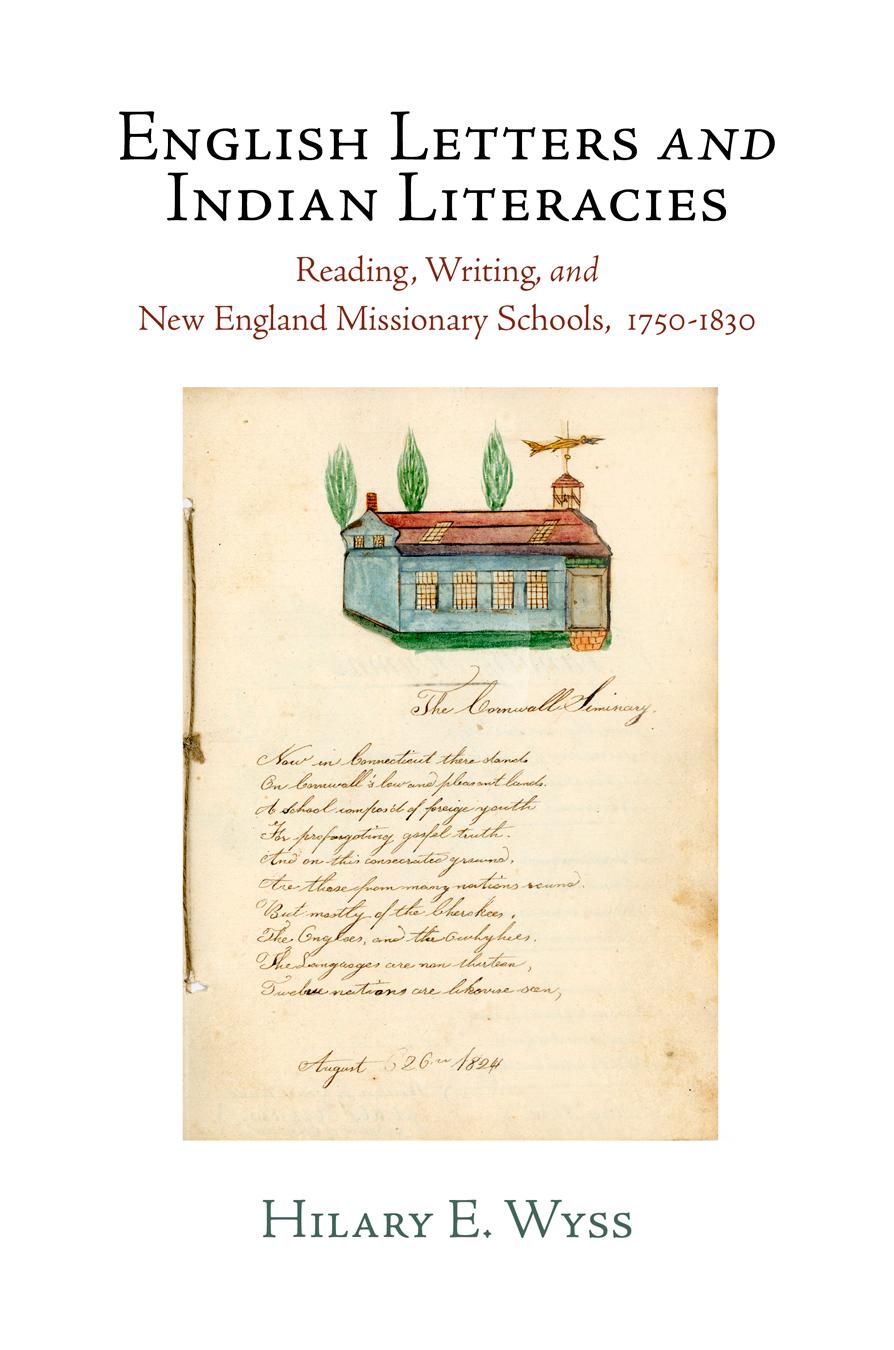
As rigid and unforgiving as the boarding schools established for the education of Native Americans could be, the intellectuals who engaged with these schools—including Mohegans Samson Occom and Joseph Johnson, and Montauketts David and Jacob Fowler in the eighteenth century, and Cherokees Catharine and David Brown in the nineteenth—became passionate advocates for Native community as a political and cultural force. From handwriting exercises to Cherokee Syllabary texts, Native students negotiated a variety of pedagogical practices and technologies, using their hard-won literacy skills for their own purposes. By examining the materials of literacy—primers, spellers, ink, paper, and instructional manuals—as well as the products of literacy—letters, journals, confessions, reports, and translations—English Letters and Indian Literacies explores the ways boarding schools were, for better or worse, a radical experiment in cross-cultural communication.
Focusing on schools established by New England missionaries, first in southern New England and later among the Cherokees, Hilary E. Wyss explores both the ways this missionary culture attempted to shape and define Native literacy and the Native response to their efforts. She examines the tropes of "readerly" Indians—passive and grateful recipients of an English cultural model—and "writerly" Indians—those fluent in the colonial culture but also committed to Native community as a political and cultural concern—to develop a theory of literacy and literate practice that complicates and enriches the study of Native self-expression. Wyss's literary readings of archival sources, published works, and correspondence incorporate methods from gender studies, the history of the book, indigenous intellectual history, and transatlantic American studies.
Before Memmo my notes were scattered across PDFs. Now a workspace pulls everything into one place — I see exactly what's still left to study.
Memmo's summaries are gold before exams. I don't have to re-read 800 pages two weeks before — just the important parts.
The AI chat has saved me the night before an exam more than once. I just keep asking until I get it — no waiting on a study group to reply.
The quizzes hit exactly what I need to know. Memmo tracks what I get stuck on — so I only practice what's worth it.
Flashcards with spaced repetition are magic. Memmo knows when I'm about to forget something and brings it back.
The AI podcasts are my favorite. I listen on my way to school and get a recap without sitting at a computer.

Handbok i kvalitativa metoder
281 kr

Hållbar utveckling: en introduktion för ingenjörer och andra problemlösare
334 kr

Brymans Samhällsvetenskapliga metoder
390 kr

Projektledning
491 kr

Den orättvisa hälsan: om socioekonomiska skillnader i hälsa och livslängd
326 kr

Vetenskapsteori för nybörjare
196 kr

Organizational Leadership
429 kr

På väg mot läraryrket
172 kr

Det sociala livet i skolan: Socialpsykologiska perspektiv
253 kr

Betygsättningens didaktik
151 kr

Personality
402 kr

Studying Leadership
404 kr

Managing Innovation
477 kr

Introduktion till samhällsvetenskaplig metod
347 kr

The Psychology of Sex and Gender
698 kr

Evidens och kunskap för socialt arbete
207 kr

Introduction to Leadership
605 kr