
Before Memmo my notes were scattered across PDFs. Now a workspace pulls everything into one place — I see exactly what's still left to study.
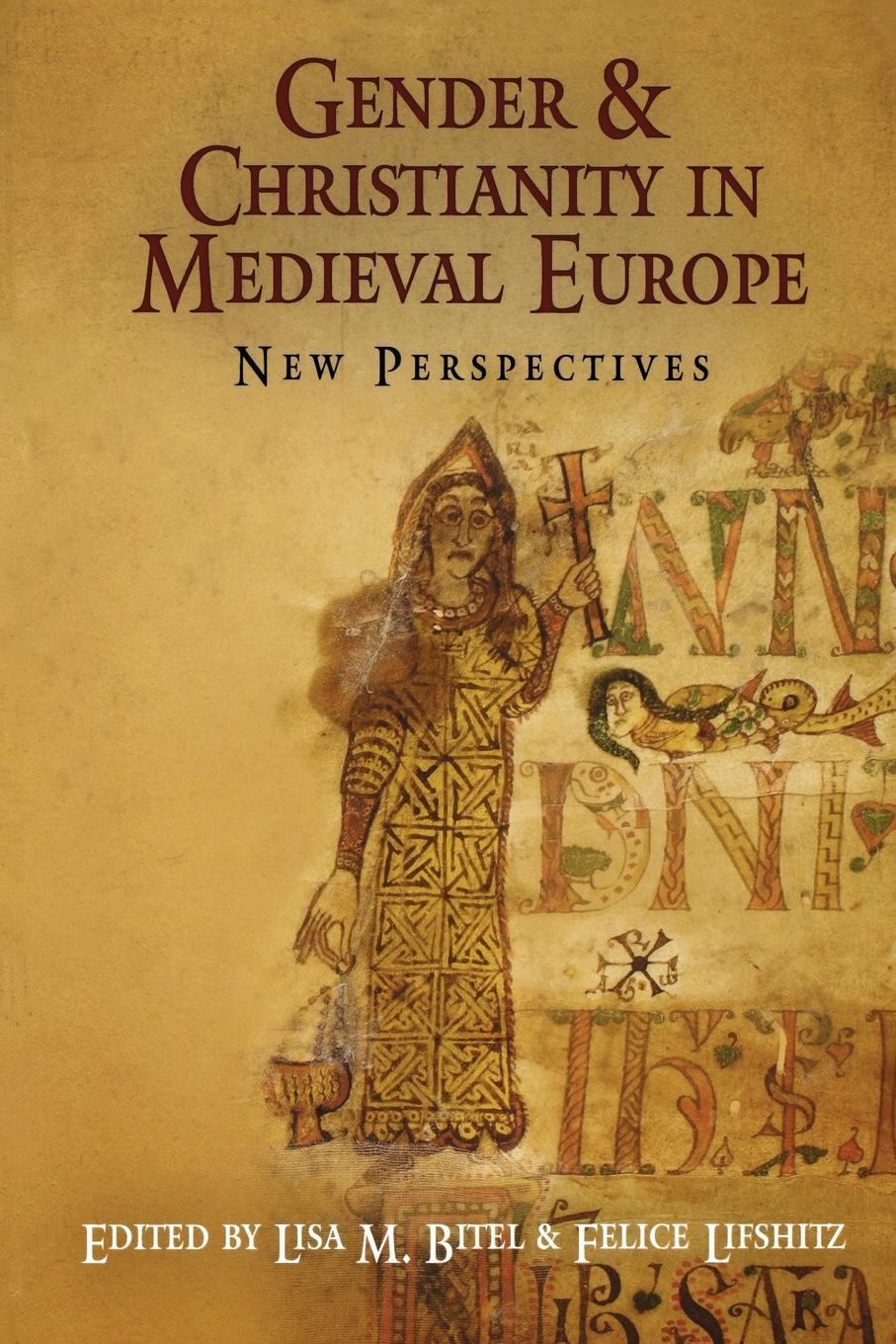
In Gender and Christianity in Medieval Europe, six historians explore how medieval people professed Christianity, how they performed gender, and how the two coincided. Many of the daily religious decisions people made were influenced by gender roles, the authors contend. Women's pious donations, for instance, were limited by laws of inheritance and marriage customs; male clerics' behavior depended upon their understanding of masculinity as much as on the demands of liturgy. The job of religious practitioner, whether as a nun, monk, priest, bishop, or some less formal participant, involved not only professing a set of religious ideals but also professing gender in both ideal and practical terms. The authors also argue that medieval Europeans chose how to be women or men (or some complex combination of the two), just as they decided whether and how to be religious. In this sense, religious institutions freed men and women from some of the gendered limits otherwise imposed by society.
Whereas previous scholarship has tended to focus exclusively either on masculinity or on aristocratic women, the authors define their topic to study gender in a fuller and more richly nuanced fashion. Likewise, their essays strive for a generous definition of religious history, which has too often been a history of its most visible participants and dominant discourses. In stepping back from received assumptions about religion, gender, and history and by considering what the terms "woman," "man," and "religious" truly mean for historians, the book ultimately enhances our understanding of the gendered implications of every pious thought and ritual gesture of medieval Christians.
Contributors:
Dyan Elliott is John Evans Professor of History at Northwestern University. Ruth Mazo Karras is professor of history at the University of Minnesota, and the general editor of The Middle Ages Series for the University of Pennsyvlania Press. Jacqueline Murray is dean of arts and professor of history at the University of Guelph. Jane Tibbetts Schulenberg is professor of history at the University of Wisconsin—Madison.
Before Memmo my notes were scattered across PDFs. Now a workspace pulls everything into one place — I see exactly what's still left to study.
Memmo's summaries are gold before exams. I don't have to re-read 800 pages two weeks before — just the important parts.
The AI chat has saved me the night before an exam more than once. I just keep asking until I get it — no waiting on a study group to reply.
The quizzes hit exactly what I need to know. Memmo tracks what I get stuck on — so I only practice what's worth it.
Flashcards with spaced repetition are magic. Memmo knows when I'm about to forget something and brings it back.
The AI podcasts are my favorite. I listen on my way to school and get a recap without sitting at a computer.

Handbok i kvalitativa metoder
281 kr

Hållbar utveckling: en introduktion för ingenjörer och andra problemlösare
334 kr

Brymans Samhällsvetenskapliga metoder
390 kr

Projektledning
491 kr

Den orättvisa hälsan: om socioekonomiska skillnader i hälsa och livslängd
326 kr

Vetenskapsteori för nybörjare
196 kr

Organizational Leadership
429 kr

På väg mot läraryrket
172 kr

Det sociala livet i skolan: Socialpsykologiska perspektiv
253 kr

Betygsättningens didaktik
151 kr

Personality
402 kr

Studying Leadership
404 kr

Managing Innovation
477 kr

Introduktion till samhällsvetenskaplig metod
347 kr

The Psychology of Sex and Gender
698 kr

Evidens och kunskap för socialt arbete
207 kr

Introduction to Leadership
605 kr