
Before Memmo my notes were scattered across PDFs. Now a workspace pulls everything into one place — I see exactly what's still left to study.
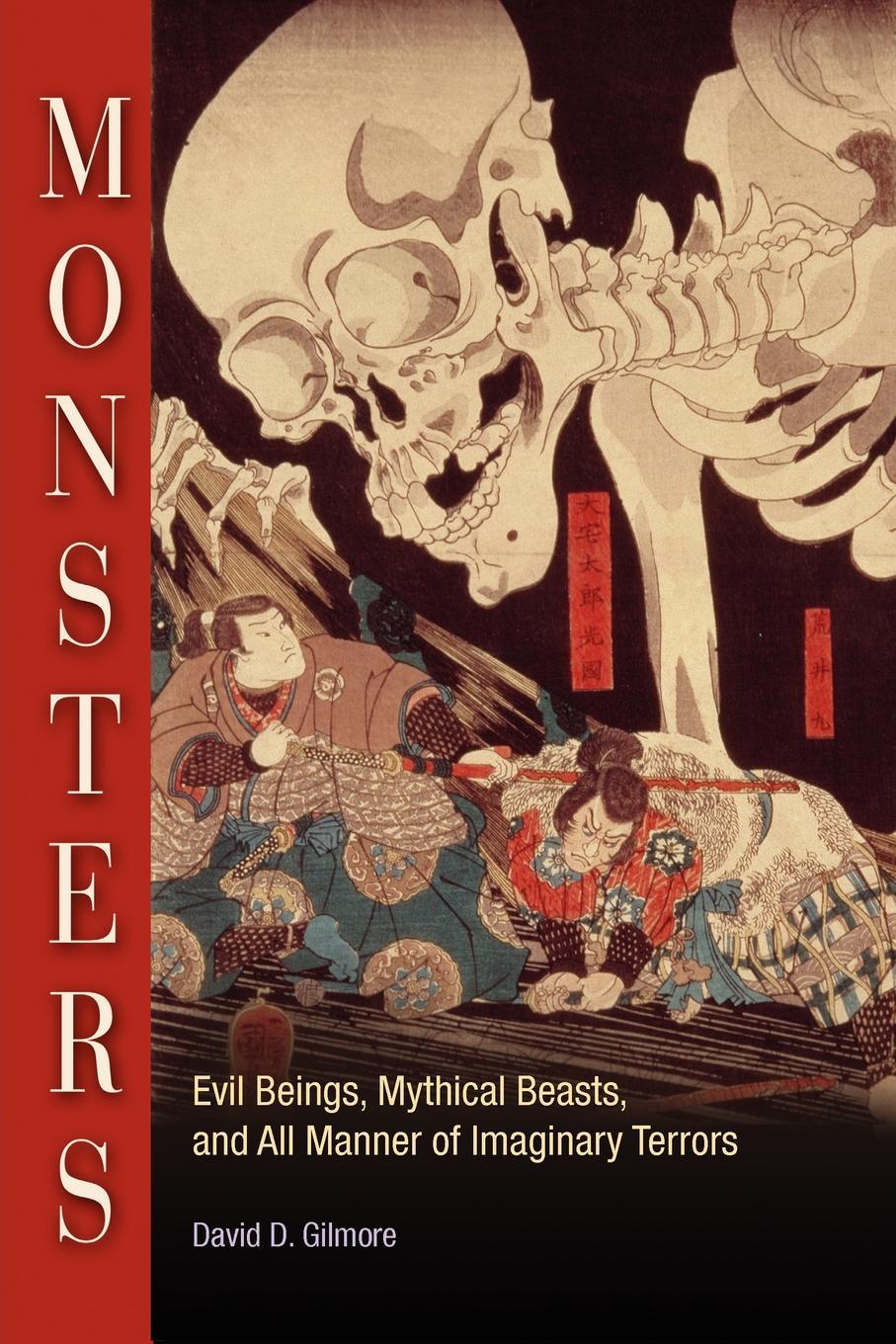
The human mind needs monsters. In every culture and in every epoch in human history, from ancient Egypt to modern Hollywood, imaginary beings have haunted dreams and fantasies, provoking in young and old shivers of delight, thrills of terror, and endless fascination. All known folklores brim with visions of looming and ferocious monsters, often in the role as adversaries to great heroes. But while heroes have been closely studied by mythologists, monsters have been neglected, even though they are equally important as pan-human symbols and reveal similar insights into ways the mind works. In Monsters: Evil Beings, Mythical Beasts, and All Manner of Imaginary Terrors, anthropologist David D. Gilmore explores what human traits monsters represent and why they are so ubiquitous in people's imaginations and share so many features across different cultures.
Using colorful and absorbing evidence from virtually all times and places, Monsters is the first attempt by an anthropologist to delve into the mysterious, frightful abyss of mythical beasts and to interpret their role in the psyche and in society. After many hair-raising descriptions of monstrous beings in art, folktales, fantasy, literature, and community ritual, including such avatars as Dracula and Frankenstein, Hollywood ghouls, and extraterrestrials, Gilmore identifies many common denominators and proposes some novel interpretations.
Monsters, according to Gilmore, are always enormous, man-eating, gratuitously violent, aggressive, sexually sadistic, and superhuman in power, combining our worst nightmares and our most urgent fantasies. We both abhor and worship our monsters: they are our gods as well as our demons. Gilmore argues that the immortal monster of the mind is a complex creation embodying virtually all of the inner conflicts that make us human. Far from being something alien, nonhuman, and outside us, our monsters are our deepest selves.
Before Memmo my notes were scattered across PDFs. Now a workspace pulls everything into one place — I see exactly what's still left to study.
Memmo's summaries are gold before exams. I don't have to re-read 800 pages two weeks before — just the important parts.
The AI chat has saved me the night before an exam more than once. I just keep asking until I get it — no waiting on a study group to reply.
The quizzes hit exactly what I need to know. Memmo tracks what I get stuck on — so I only practice what's worth it.
Flashcards with spaced repetition are magic. Memmo knows when I'm about to forget something and brings it back.
The AI podcasts are my favorite. I listen on my way to school and get a recap without sitting at a computer.

Handbok i kvalitativa metoder
281 kr

Hållbar utveckling: en introduktion för ingenjörer och andra problemlösare
334 kr

Brymans Samhällsvetenskapliga metoder
390 kr

Projektledning
491 kr

Den orättvisa hälsan: om socioekonomiska skillnader i hälsa och livslängd
326 kr

Vetenskapsteori för nybörjare
196 kr

Organizational Leadership
429 kr

På väg mot läraryrket
172 kr

Det sociala livet i skolan: Socialpsykologiska perspektiv
253 kr

Betygsättningens didaktik
151 kr

Personality
402 kr

Studying Leadership
404 kr

Managing Innovation
477 kr

Introduktion till samhällsvetenskaplig metod
347 kr

The Psychology of Sex and Gender
698 kr

Evidens och kunskap för socialt arbete
207 kr

Introduction to Leadership
605 kr