
Before Memmo my notes were scattered across PDFs. Now a workspace pulls everything into one place — I see exactly what's still left to study.
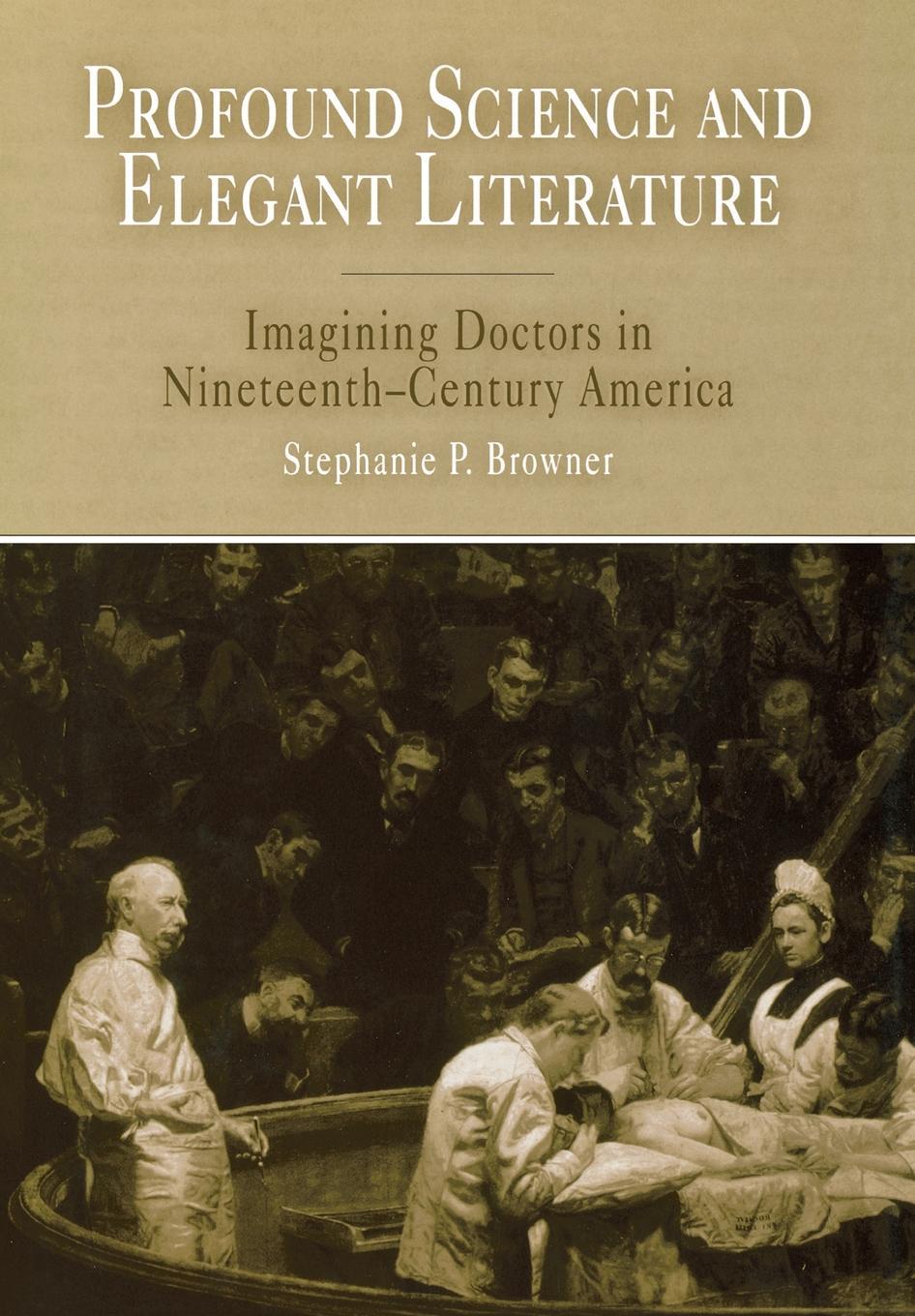
In 1847, at the first meeting of the American Medical Association, the newly elected president reminded his brethren that the profession, "once venerated," no longer earned homage "spontaneously and universally." The medical marketplace was crowded and competitive; state laws regulating medical practice had been repealed; and professional practitioners were often branded by their lay competitors as aristocrats bent on establishing a health care monopoly. By 1900, the battles were over, and, as the president of AMA had hoped, doctors were now widely venerated as men of profound science, elegant literature, polite accomplishments, and virtue. In fact, by 1900 the doctor had replaced the minister as the most esteemed professional in the United States; disease loomed larger than damnation; and science promised to manage the discord, differences, and excesses that democracy seemed to license.
In Profound Science and Elegant Literature, Stephanie Browner charts this trajectory—and demonstrates at the same time that medicine's claims to somatic expertise and managerial talent did not go uncontested. Even as elite physicians founded institutions that made professional medicine's authority visible and legitimate, many others worried about the violence that might attend medicine's drive to mastery and science's equation of rational disinterest with white, educated masculinity. Reading fiction by a wide range of authors beside and against medical texts, Browner looks to the ways in which writers such as Hawthorne, Melville, Holmes, James, Chesnutt, and Jewett inventoried the collateral damage that might be done as science installed its peculiar understanding of the body.
A work of impressive interdisciplinary reach, Profound Science and Elegant Literature documents both the extraordinary rise of professional medicine in the United States and the aesthetic imperative to make the body meaningful that led many American writers to resist the medicalized body.
Before Memmo my notes were scattered across PDFs. Now a workspace pulls everything into one place — I see exactly what's still left to study.
Memmo's summaries are gold before exams. I don't have to re-read 800 pages two weeks before — just the important parts.
The AI chat has saved me the night before an exam more than once. I just keep asking until I get it — no waiting on a study group to reply.
The quizzes hit exactly what I need to know. Memmo tracks what I get stuck on — so I only practice what's worth it.
Flashcards with spaced repetition are magic. Memmo knows when I'm about to forget something and brings it back.
The AI podcasts are my favorite. I listen on my way to school and get a recap without sitting at a computer.

Handbok i kvalitativa metoder
281 kr

Hållbar utveckling: en introduktion för ingenjörer och andra problemlösare
334 kr

Brymans Samhällsvetenskapliga metoder
390 kr

Projektledning
491 kr

Den orättvisa hälsan: om socioekonomiska skillnader i hälsa och livslängd
326 kr

Vetenskapsteori för nybörjare
196 kr

Organizational Leadership
429 kr

På väg mot läraryrket
172 kr

Det sociala livet i skolan: Socialpsykologiska perspektiv
253 kr

Betygsättningens didaktik
151 kr

Personality
402 kr

Studying Leadership
404 kr

Managing Innovation
477 kr

Introduktion till samhällsvetenskaplig metod
347 kr

The Psychology of Sex and Gender
698 kr

Evidens och kunskap för socialt arbete
207 kr

Introduction to Leadership
605 kr