
Before Memmo my notes were scattered across PDFs. Now a workspace pulls everything into one place — I see exactly what's still left to study.
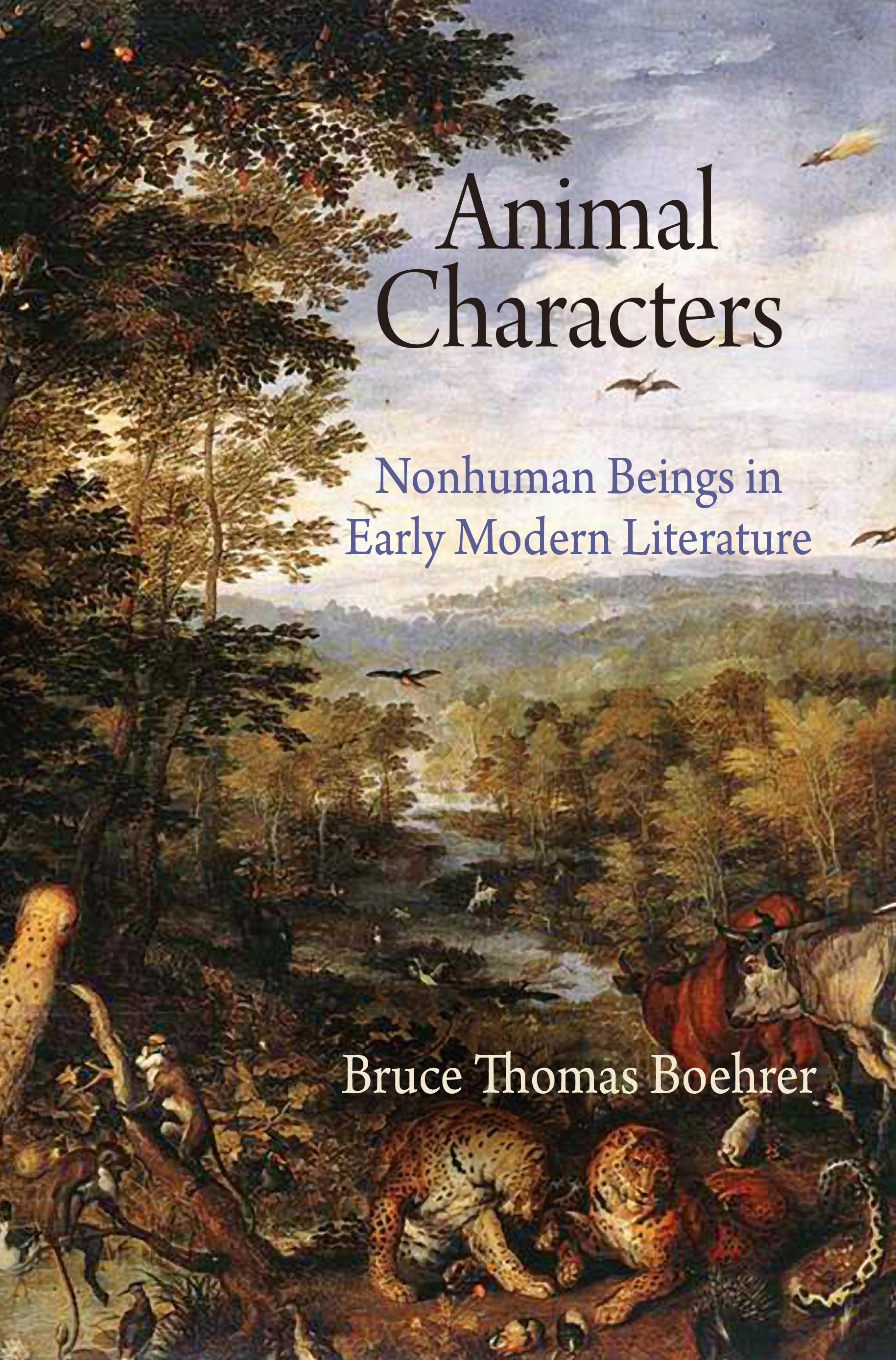
During the Renaissance, horses—long considered the privileged, even sentient companions of knights-errant—gradually lost their special place on the field of battle and, with it, their distinctive status in the world of chivalric heroism. Parrots, once the miraculous, articulate companions of popes and emperors, declined into figures of mindless mimicry. Cats, which were tortured by Catholics in the Middle Ages, were tortured in the Reformation as part of the Protestant attack on Catholicism. And sheep, the model for Agnus Dei imagery, underwent transformations at once legal, material, and spiritual as a result of their changing role in Europe's growing manufacturing and trade economies. While in the Middle Ages these nonhumans were endowed with privileged social associations, personal agency, even the ability to reason and speak, in the early modern period they lost these qualities at the very same time that a new emphasis on, and understanding of, human character was developing in European literature.
In Animal Characters Bruce Thomas Boehrer follows five species—the horse, the parrot, the cat, the turkey, and the sheep—through their appearances in an eclectic mix of texts, from romances and poetry to cookbooks and natural histories. He shows how dramatic changes in animal character types between 1400 and 1700 relate to the emerging economy and culture of the European Renaissance. In early modern European culture, animals not only served humans as sources of labor, companionship, clothing, and food; these nonhuman creatures helped to form an understanding of personhood. Incorporating readings of Shakespeare's plays, Milton's Paradise Lost, Margaret Cavendish's Blazing World, and other works, Boehrer's series of animal character studies illuminates a fascinating period of change in interspecies relationships.
Before Memmo my notes were scattered across PDFs. Now a workspace pulls everything into one place — I see exactly what's still left to study.
Memmo's summaries are gold before exams. I don't have to re-read 800 pages two weeks before — just the important parts.
The AI chat has saved me the night before an exam more than once. I just keep asking until I get it — no waiting on a study group to reply.
The quizzes hit exactly what I need to know. Memmo tracks what I get stuck on — so I only practice what's worth it.
Flashcards with spaced repetition are magic. Memmo knows when I'm about to forget something and brings it back.
The AI podcasts are my favorite. I listen on my way to school and get a recap without sitting at a computer.

Handbok i kvalitativa metoder
281 kr

Hållbar utveckling: en introduktion för ingenjörer och andra problemlösare
334 kr

Brymans Samhällsvetenskapliga metoder
390 kr

Projektledning
491 kr

Den orättvisa hälsan: om socioekonomiska skillnader i hälsa och livslängd
326 kr

Organizational Leadership
429 kr

Vetenskapsteori för nybörjare
196 kr

På väg mot läraryrket
172 kr

Det sociala livet i skolan: Socialpsykologiska perspektiv
253 kr

Betygsättningens didaktik
151 kr

Personality
402 kr

Studying Leadership
404 kr

Managing Innovation
477 kr

Introduktion till samhällsvetenskaplig metod
347 kr

The Psychology of Sex and Gender
698 kr

Evidens och kunskap för socialt arbete
207 kr

Introduction to Leadership
605 kr