
Before Memmo my notes were scattered across PDFs. Now a workspace pulls everything into one place — I see exactly what's still left to study.
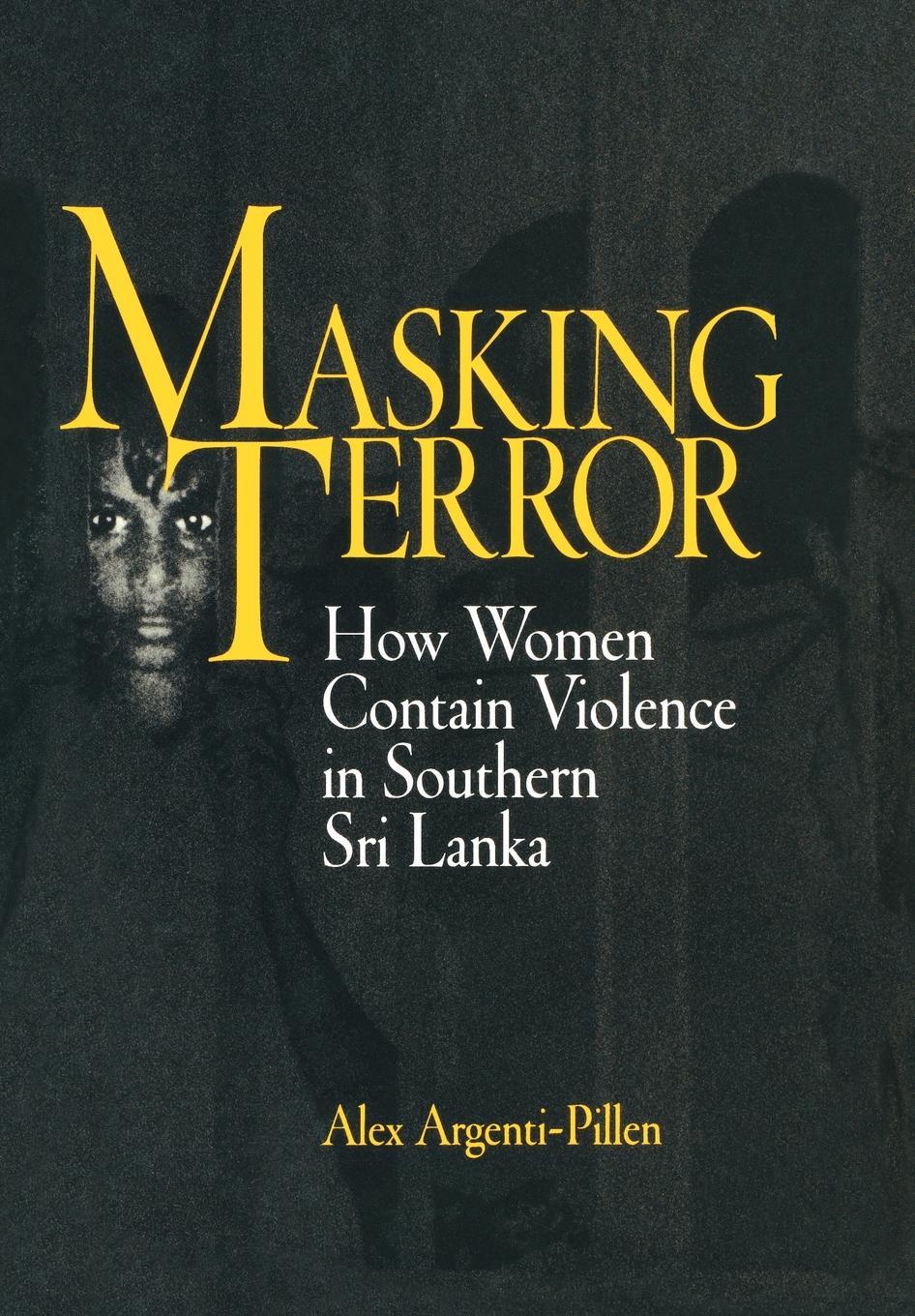
In Sri Lanka, staggering numbers of young men were killed fighting in the armed forces against Tamil separatists. The war became one of attrition—year after year waves of young foot soldiers were sent to almost certain death in a war so bloody that the very names of the most famous battle scenes still fill people with horror. Alex Argenti-Pillen describes the social fabric of a rural community that has become a breeding ground and reservoir of soldiers for the Sri Lankan nation-state, arguing that this reservoir has been created on the basis of a culture of poverty and terror.
Focusing on the involvement of the pseudonymous village of Udahenagama in the atrocities of the civil war of the late 1980s and the interethnic war against the Tamil guerrillas, Masking Terror describes the response of women in the rural slums of southern Sri Lanka to the further spread of violence. To reconstruct the violent backgrounds of these soldiers, she presents the stories of their mothers, sisters, wives, and grandmothers, providing a perspective on the conflict between Sinhalese and Tamil populations not found elsewhere.
In addition to interpreting the impact of high levels of violence on a small community, Argenti-Pillen questions the effects of trauma counseling services brought by the international humanitarian community into war-torn non-Western cultural contexts. Her study shows how Euro-American methods for dealing with traumatized survivors poses a threat to the culture-specific methods local women use to contain violence.
Masking Terror provides a sobering introduction to the difficulties and methodological problems field researchers, social scientists, human rights activists, and mental health workers face in working with victims and perpetrators of ethnic and political violence and large-scale civil war. The narratives of the women from Udahenagama provide necessary insight into how survivors of wartime atrocities reconstruct their communicative worlds and disrupt the cycle of violence in ways that may be foreign to Euro-American professionals.
Before Memmo my notes were scattered across PDFs. Now a workspace pulls everything into one place — I see exactly what's still left to study.
Memmo's summaries are gold before exams. I don't have to re-read 800 pages two weeks before — just the important parts.
The AI chat has saved me the night before an exam more than once. I just keep asking until I get it — no waiting on a study group to reply.
The quizzes hit exactly what I need to know. Memmo tracks what I get stuck on — so I only practice what's worth it.
Flashcards with spaced repetition are magic. Memmo knows when I'm about to forget something and brings it back.
The AI podcasts are my favorite. I listen on my way to school and get a recap without sitting at a computer.

Handbok i kvalitativa metoder
281 kr

Hållbar utveckling: en introduktion för ingenjörer och andra problemlösare
334 kr

Brymans Samhällsvetenskapliga metoder
390 kr

Projektledning
491 kr

Den orättvisa hälsan: om socioekonomiska skillnader i hälsa och livslängd
326 kr

Vetenskapsteori för nybörjare
196 kr

Organizational Leadership
429 kr

På väg mot läraryrket
172 kr

Det sociala livet i skolan: Socialpsykologiska perspektiv
253 kr

Betygsättningens didaktik
151 kr

Personality
402 kr

Studying Leadership
404 kr

Managing Innovation
477 kr

Introduktion till samhällsvetenskaplig metod
347 kr

The Psychology of Sex and Gender
698 kr

Evidens och kunskap för socialt arbete
207 kr

Introduction to Leadership
605 kr