
Before Memmo my notes were scattered across PDFs. Now a workspace pulls everything into one place — I see exactly what's still left to study.
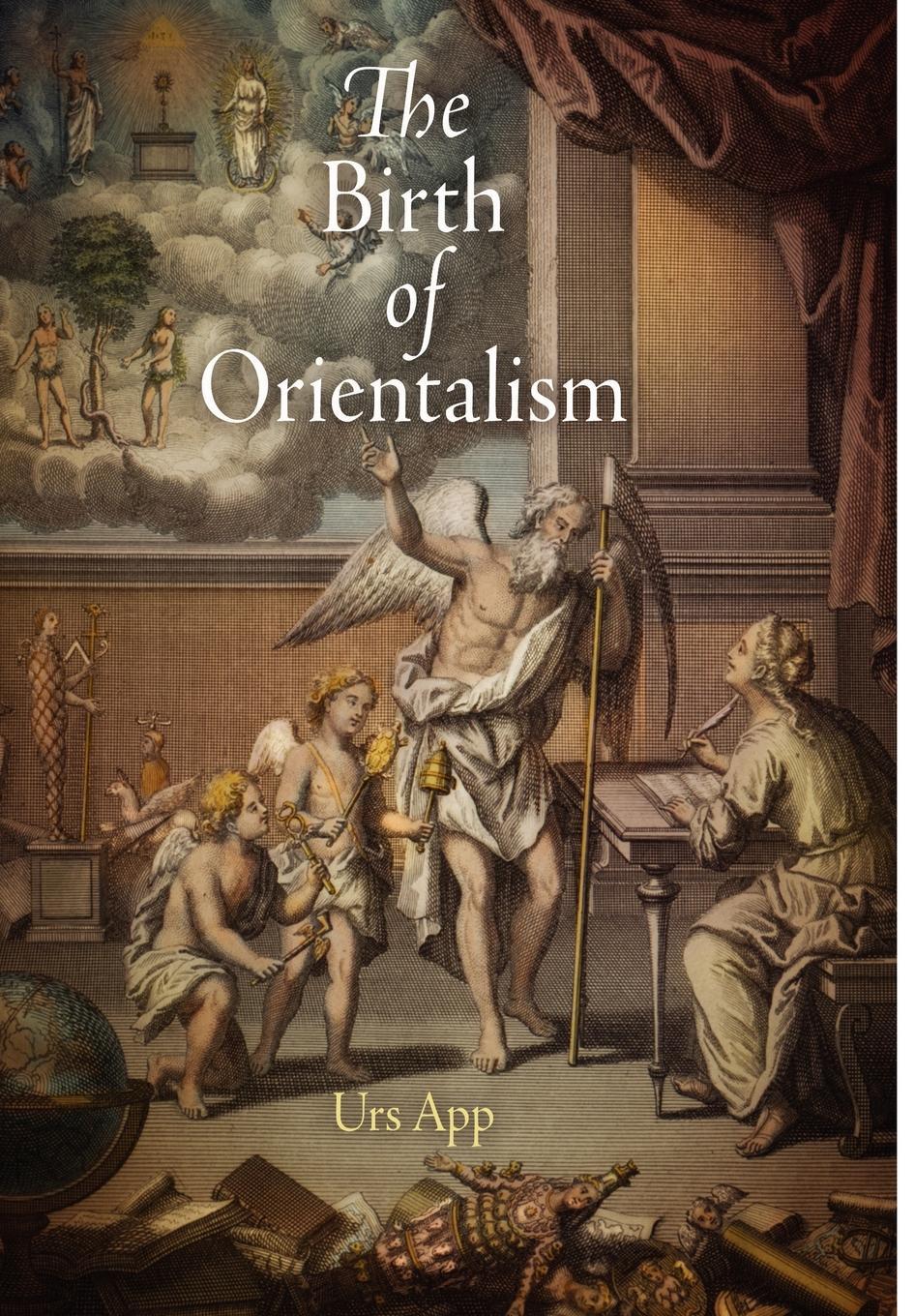
Modern Orientalism is not a brainchild of nineteenth-century European imperialists and colonialists, but, as Urs App demonstrates, was born in the eighteenth century after a very long gestation period defined less by economic or political motives than by religious ideology.
Based on sources from a dozen languages, many unavailable in English, The Birth of Orientalism presents a completely new picture of this protracted genesis, its underlying dynamics, and the Western discovery of Asian religions from the sixteenth to the nineteenth century. App documents the immense influence of Japan and China and describes how the Near Eastern cradle of civilization moved toward mother India. Moreover, he shows that some of India's purportedly oldest texts were products of eighteenth-century European authors.
Though Western engagement with non-Abrahamic Asian religions reaches back to antiquity and can without exaggeration be called the largest-scale religiocultural encounter in history, it has so far received surprisingly little attention—which is why some of its major features and their role in the birth of modern Orientalism are described here for the first time. The study of Asian documents had a profound impact on Europe's intellectual makeup. Suddenly the Bible had much older competitors from China and India, Sanskrit threatened to replace Hebrew as the world's oldest language, and Judeo-Christianity appeared as a local phenomenon on a dramatically expanded, worldwide canvas of religions and mythologies. Orientalists were called upon as arbiters in a clash that involved neither gold and spices nor colonialism and imperialism but, rather, such fundamental questions as where we come from and who we are: questions of identity that demanded new answers as biblical authority dramatically waned.
Before Memmo my notes were scattered across PDFs. Now a workspace pulls everything into one place — I see exactly what's still left to study.
Memmo's summaries are gold before exams. I don't have to re-read 800 pages two weeks before — just the important parts.
The AI chat has saved me the night before an exam more than once. I just keep asking until I get it — no waiting on a study group to reply.
The quizzes hit exactly what I need to know. Memmo tracks what I get stuck on — so I only practice what's worth it.
Flashcards with spaced repetition are magic. Memmo knows when I'm about to forget something and brings it back.
The AI podcasts are my favorite. I listen on my way to school and get a recap without sitting at a computer.

Handbok i kvalitativa metoder
281 kr

Hållbar utveckling: en introduktion för ingenjörer och andra problemlösare
334 kr

Brymans Samhällsvetenskapliga metoder
390 kr

Projektledning
491 kr

Den orättvisa hälsan: om socioekonomiska skillnader i hälsa och livslängd
326 kr

Vetenskapsteori för nybörjare
196 kr

Organizational Leadership
429 kr

På väg mot läraryrket
172 kr

Det sociala livet i skolan: Socialpsykologiska perspektiv
253 kr

Betygsättningens didaktik
151 kr

Personality
402 kr

Studying Leadership
404 kr

Managing Innovation
477 kr

Introduktion till samhällsvetenskaplig metod
347 kr

The Psychology of Sex and Gender
698 kr

Evidens och kunskap för socialt arbete
207 kr

Introduction to Leadership
605 kr