
Before Memmo my notes were scattered across PDFs. Now a workspace pulls everything into one place — I see exactly what's still left to study.
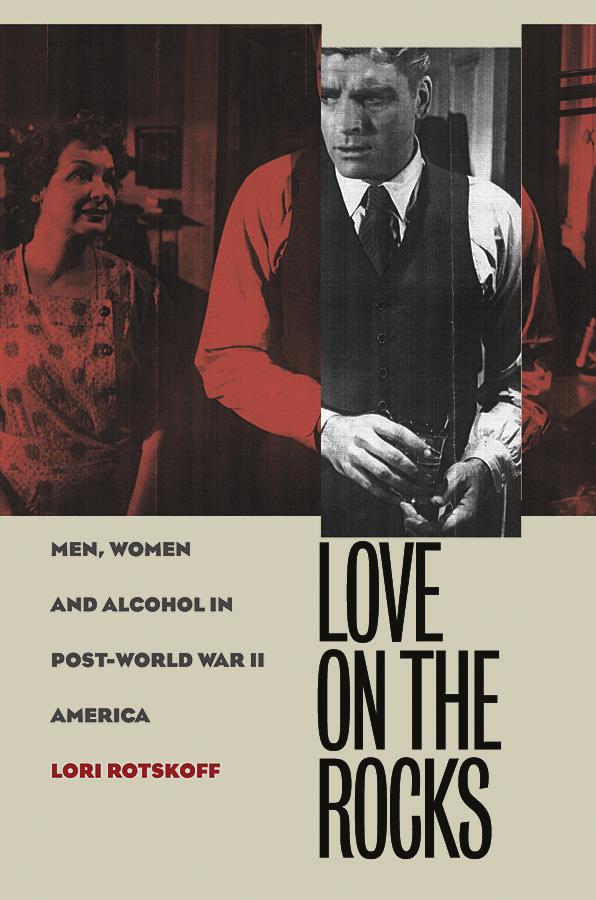
In this fascinating history of alcohol in postwar American culture, Lori Rotskoff draws on short stories, advertisements, medical writings, and Hollywood films to investigate how gender norms and ideologies of marriage intersected with scientific and popular ideas about drinking and alcoholism.
After the repeal of Prohibition in 1933, recreational drinking became increasingly accepted among white, suburban, middle-class men and women. But excessive or habitual drinking plagued many families. How did people view the “problem drinkers” in their midst? How did husbands and wives learn to cope within an “alcoholic marriage”? And how was drinking linked to broader social concerns during the Great Depression, World War II, and the Cold War era?
By the 1950s, Rotskoff explains, mental health experts, movie producers, and members of self-help groups like Alcoholics Anonymous and Al-Anon helped bring about a shift in the public perception of alcoholism from “sin” to “sickness.” Yet alcoholism was also viewed as a family problem that expressed gender-role failure for both women and men. On the silver screen (in movies such as The Lost Weekend and The Best Years of Our Lives) and on the printed page (in stories by such writers as John Cheever), in hospitals and at Twelve Step meetings, chronic drunkenness became one of the most pressing public health issues of the day.
Shedding new light on the history of gender, marriage, and family life from the 1920s through the 1960s, this innovative book also opens new perspectives on the history of leisure and class affiliation, attitudes toward consumerism and addiction, and the development of a therapeutic culture.
Before Memmo my notes were scattered across PDFs. Now a workspace pulls everything into one place — I see exactly what's still left to study.
Memmo's summaries are gold before exams. I don't have to re-read 800 pages two weeks before — just the important parts.
The AI chat has saved me the night before an exam more than once. I just keep asking until I get it — no waiting on a study group to reply.
The quizzes hit exactly what I need to know. Memmo tracks what I get stuck on — so I only practice what's worth it.
Flashcards with spaced repetition are magic. Memmo knows when I'm about to forget something and brings it back.
The AI podcasts are my favorite. I listen on my way to school and get a recap without sitting at a computer.

Handbok i kvalitativa metoder
281 kr

Hållbar utveckling: en introduktion för ingenjörer och andra problemlösare
334 kr

Brymans Samhällsvetenskapliga metoder
390 kr

Projektledning
491 kr

Den orättvisa hälsan: om socioekonomiska skillnader i hälsa och livslängd
326 kr

Vetenskapsteori för nybörjare
196 kr

Organizational Leadership
429 kr

På väg mot läraryrket
172 kr

Det sociala livet i skolan: Socialpsykologiska perspektiv
253 kr

Betygsättningens didaktik
151 kr

Personality
402 kr

Studying Leadership
404 kr

Managing Innovation
477 kr

Introduktion till samhällsvetenskaplig metod
347 kr

The Psychology of Sex and Gender
698 kr

Evidens och kunskap för socialt arbete
207 kr

Introduction to Leadership
605 kr