
Before Memmo my notes were scattered across PDFs. Now a workspace pulls everything into one place — I see exactly what's still left to study.
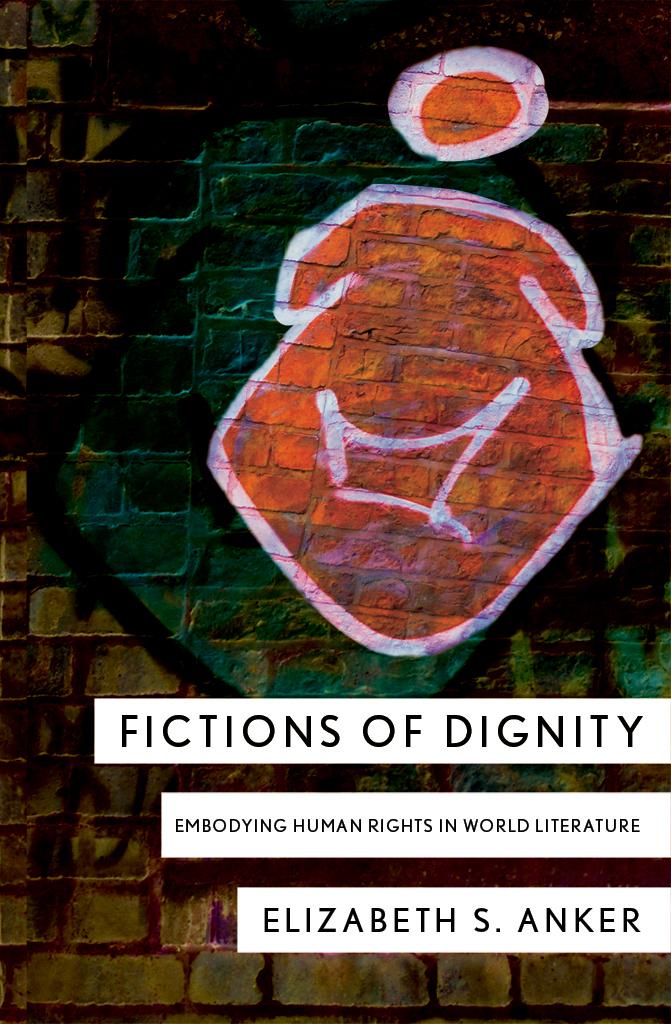
Over the past fifty years, debates about human rights have assumed an increasingly prominent place in postcolonial literature and theory. Writers from Salman Rushdie to Nawal El Saadawi have used the novel to explore both the possibilities and challenges of enacting and protecting human rights, particularly in the Global South. In Fictions of Dignity, Elizabeth S. Anker shows how the dual enabling fictions of human dignity and bodily integrity contribute to an anxiety about the body that helps to explain many of the contemporary and historical failures of human rights, revealing why and how lives are excluded from human rights protections along the lines of race, gender, class, disability, and species membership. In the process, Anker examines the vital work performed by a particular kind of narrative imagination in fostering respect for human rights. Drawing on phenomenology, Anker suggests how an embodied politics of reading might restore a vital fleshiness to the overly abstract, decorporealized subject of liberal rights.
Each of the novels Anker examines approaches human rights in terms of limits and paradoxes. Rushdie's Midnight's Children addresses the obstacles to incorporating rights into a formerly colonized nation's legal culture. El Saadawi's Woman at Point Zero takes up controversies over women's freedoms in Islamic society. In Disgrace, J. M. Coetzee considers the disappointments of post-apartheid reconciliation in South Africa. And in The God of Small Things, Arundhati Roy confronts an array of human rights abuses widespread in contemporary India. Each of these literary case studies further demonstrates the relevance of embodiment to both comprehending and redressing the failures of human rights, even while those narratives refuse simplistic ideals or solutions.
Before Memmo my notes were scattered across PDFs. Now a workspace pulls everything into one place — I see exactly what's still left to study.
Memmo's summaries are gold before exams. I don't have to re-read 800 pages two weeks before — just the important parts.
The AI chat has saved me the night before an exam more than once. I just keep asking until I get it — no waiting on a study group to reply.
The quizzes hit exactly what I need to know. Memmo tracks what I get stuck on — so I only practice what's worth it.
Flashcards with spaced repetition are magic. Memmo knows when I'm about to forget something and brings it back.
The AI podcasts are my favorite. I listen on my way to school and get a recap without sitting at a computer.

Handbok i kvalitativa metoder
281 kr

Hållbar utveckling: en introduktion för ingenjörer och andra problemlösare
334 kr

Brymans Samhällsvetenskapliga metoder
390 kr

Projektledning
491 kr

Den orättvisa hälsan: om socioekonomiska skillnader i hälsa och livslängd
326 kr

Vetenskapsteori för nybörjare
196 kr

Organizational Leadership
429 kr

På väg mot läraryrket
172 kr

Det sociala livet i skolan: Socialpsykologiska perspektiv
253 kr

Betygsättningens didaktik
151 kr

Personality
402 kr

Studying Leadership
404 kr

Managing Innovation
477 kr

Introduktion till samhällsvetenskaplig metod
347 kr

The Psychology of Sex and Gender
698 kr

Evidens och kunskap för socialt arbete
207 kr

Introduction to Leadership
605 kr