
Before Memmo my notes were scattered across PDFs. Now a workspace pulls everything into one place — I see exactly what's still left to study.
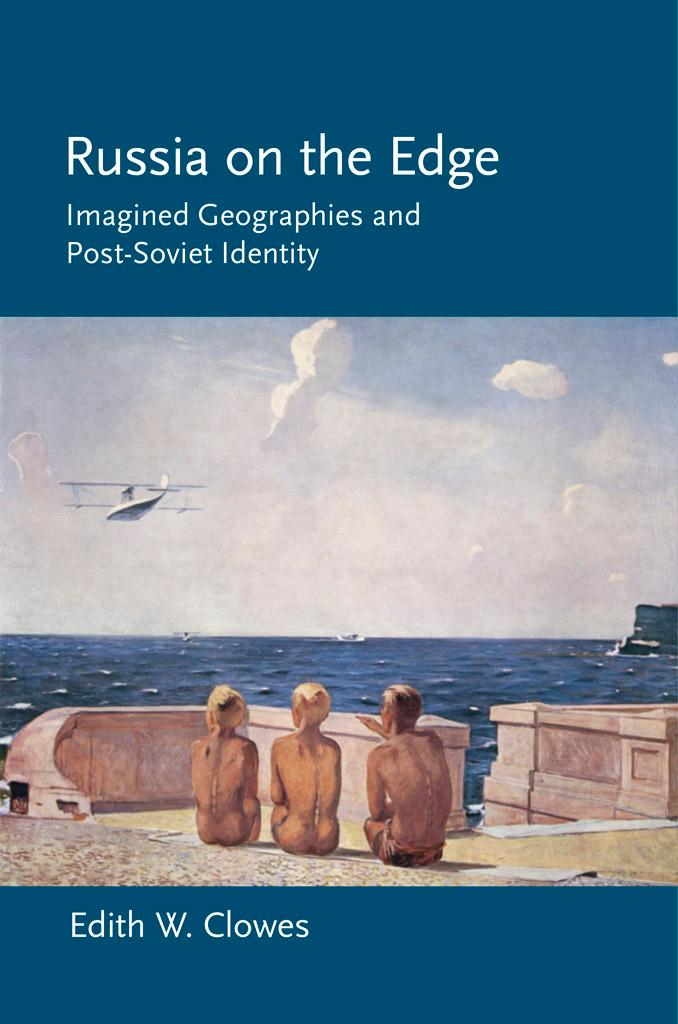
Since the dissolution of the Soviet Union in 1991, Russians have confronted a major crisis of identity. Soviet ideology rested on a belief in historical progress, but the post-Soviet imagination has obsessed over territory. Indeed, geographical metaphors—whether axes of north vs. south or geopolitical images of center, periphery, and border—have become the signs of a different sense of self and the signposts of a new debate about Russian identity. In Russia on the Edge Edith W. Clowes argues that refurbished geographical metaphors and imagined geographies provide a useful perspective for examining post-Soviet debates about what it means to be Russian today.
Clowes lays out several sides of the debate. She takes as a backdrop the strong criticism of Soviet Moscow and its self-image as uncontested global hub by major contemporary writers, among them Tatyana Tolstaya and Viktor Pelevin. The most vocal, visible, and colorful rightist ideologue, Aleksandr Dugin, the founder of neo-Eurasianism, has articulated positions contested by such writers and thinkers as Mikhail Ryklin, Liudmila Ulitskaia, and Anna Politkovskaia, whose works call for a new civility in a genuinely pluralistic Russia. Dugin's extreme views and their many responses—in fiction, film, philosophy, and documentary journalism—form the body of this book.
In Russia on the Edge literary and cultural critics will find the keys to a vital post-Soviet writing culture. For intellectual historians, cultural geographers, and political scientists the book is a guide to the variety of post-Soviet efforts to envision new forms of social life, even as a reconstructed authoritarianism has taken hold. The book introduces nonspecialist readers to some of the most creative and provocative of present-day Russia's writers and public intellectuals.
Before Memmo my notes were scattered across PDFs. Now a workspace pulls everything into one place — I see exactly what's still left to study.
Memmo's summaries are gold before exams. I don't have to re-read 800 pages two weeks before — just the important parts.
The AI chat has saved me the night before an exam more than once. I just keep asking until I get it — no waiting on a study group to reply.
The quizzes hit exactly what I need to know. Memmo tracks what I get stuck on — so I only practice what's worth it.
Flashcards with spaced repetition are magic. Memmo knows when I'm about to forget something and brings it back.
The AI podcasts are my favorite. I listen on my way to school and get a recap without sitting at a computer.

Handbok i kvalitativa metoder
281 kr

Hållbar utveckling: en introduktion för ingenjörer och andra problemlösare
334 kr

Brymans Samhällsvetenskapliga metoder
390 kr

Projektledning
491 kr

Den orättvisa hälsan: om socioekonomiska skillnader i hälsa och livslängd
326 kr

Vetenskapsteori för nybörjare
196 kr

Organizational Leadership
429 kr

På väg mot läraryrket
172 kr

Det sociala livet i skolan: Socialpsykologiska perspektiv
253 kr

Betygsättningens didaktik
151 kr

Personality
402 kr

Studying Leadership
404 kr

Managing Innovation
477 kr

Introduktion till samhällsvetenskaplig metod
347 kr

The Psychology of Sex and Gender
698 kr

Evidens och kunskap för socialt arbete
207 kr

Introduction to Leadership
605 kr