
Before Memmo my notes were scattered across PDFs. Now a workspace pulls everything into one place — I see exactly what's still left to study.
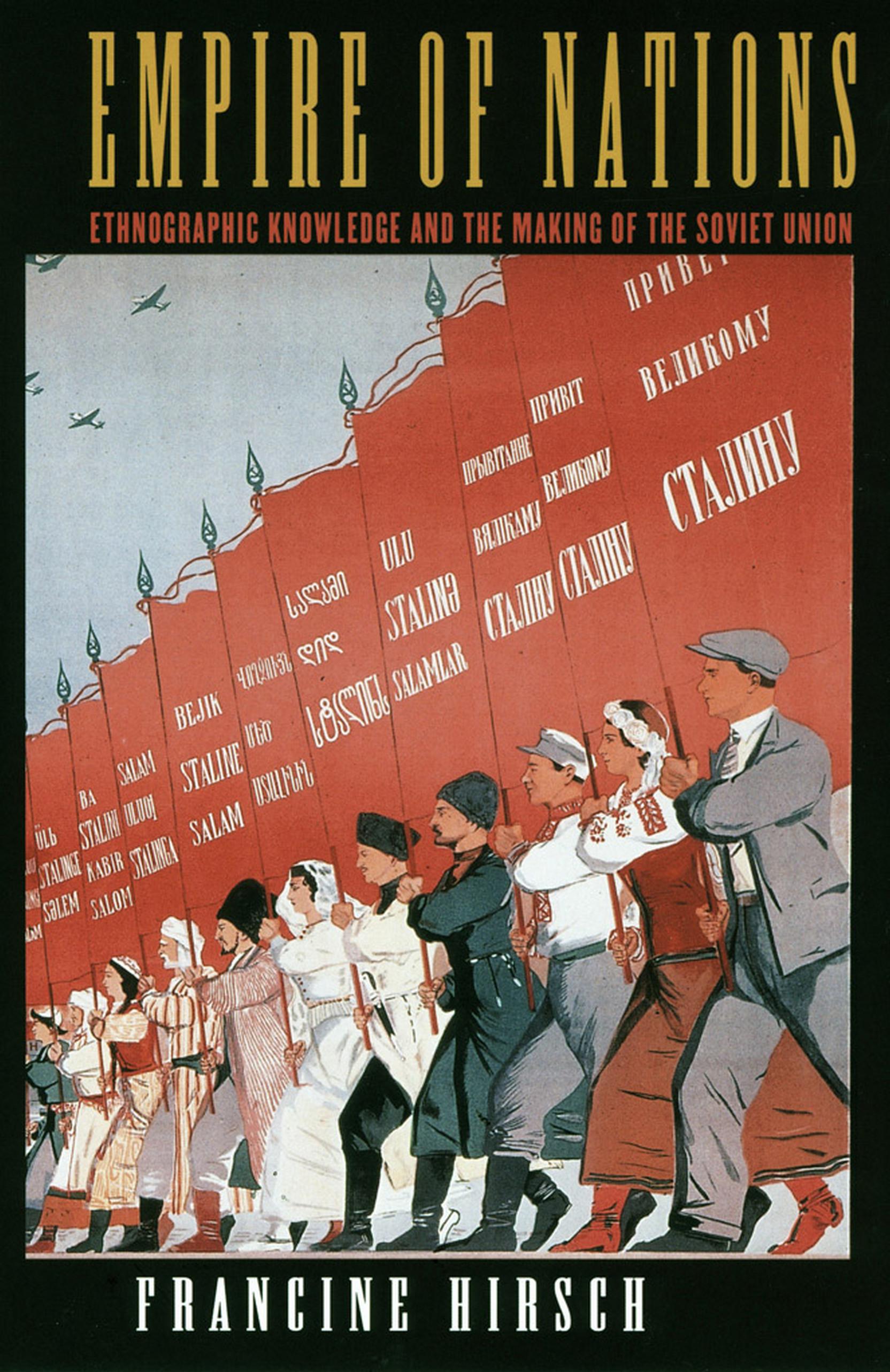
When the Bolsheviks seized power in 1917, they set themselves the task of building socialism in the vast landscape of the former Russian Empire, a territory populated by hundreds of different peoples belonging to a multitude of linguistic, religious, and ethnic groups. Before 1917, the Bolsheviks had called for the national self-determination of all peoples and had condemned all forms of colonization as exploitative. After attaining power, however, they began to express concern that it would not be possible for Soviet Russia to survive without the cotton of Turkestan and the oil of the Caucasus. In an effort to reconcile their anti-imperialist position with their desire to hold on to as much territory as possible, the Bolsheviks integrated the national idea into the administrative-territorial structure of the new Soviet state.
In Empire of Nations, Francine Hirsch examines the ways in which former imperial ethnographers and local elites provided the Bolsheviks with ethnographic knowledge that shaped the very formation of the new Soviet Union. The ethnographers—who drew inspiration from the Western European colonial context—produced all-union censuses, assisted government commissions charged with delimiting the USSR's internal borders, led expeditions to study "the human being as a productive force," and created ethnographic exhibits about the "Peoples of the USSR." In the 1930s, they would lead the Soviet campaign against Nazi race theories.
Hirsch illuminates the pervasive tension between the colonial-economic and ethnographic definitions of Soviet territory; this tension informed Soviet social, economic, and administrative structures. A major contribution to the history of Russia and the Soviet Union, Empire of Nations also offers new insights into the connection between ethnography and empire.
Before Memmo my notes were scattered across PDFs. Now a workspace pulls everything into one place — I see exactly what's still left to study.
Memmo's summaries are gold before exams. I don't have to re-read 800 pages two weeks before — just the important parts.
The AI chat has saved me the night before an exam more than once. I just keep asking until I get it — no waiting on a study group to reply.
The quizzes hit exactly what I need to know. Memmo tracks what I get stuck on — so I only practice what's worth it.
Flashcards with spaced repetition are magic. Memmo knows when I'm about to forget something and brings it back.
The AI podcasts are my favorite. I listen on my way to school and get a recap without sitting at a computer.

Handbok i kvalitativa metoder
281 kr

Hållbar utveckling: en introduktion för ingenjörer och andra problemlösare
334 kr

Brymans Samhällsvetenskapliga metoder
390 kr

Projektledning
491 kr

Den orättvisa hälsan: om socioekonomiska skillnader i hälsa och livslängd
326 kr

Vetenskapsteori för nybörjare
196 kr

Organizational Leadership
429 kr

På väg mot läraryrket
172 kr

Det sociala livet i skolan: Socialpsykologiska perspektiv
253 kr

Betygsättningens didaktik
151 kr

Personality
402 kr

Studying Leadership
404 kr

Managing Innovation
477 kr

Introduktion till samhällsvetenskaplig metod
347 kr

The Psychology of Sex and Gender
698 kr

Evidens och kunskap för socialt arbete
207 kr

Introduction to Leadership
605 kr