
Before Memmo my notes were scattered across PDFs. Now a workspace pulls everything into one place — I see exactly what's still left to study.
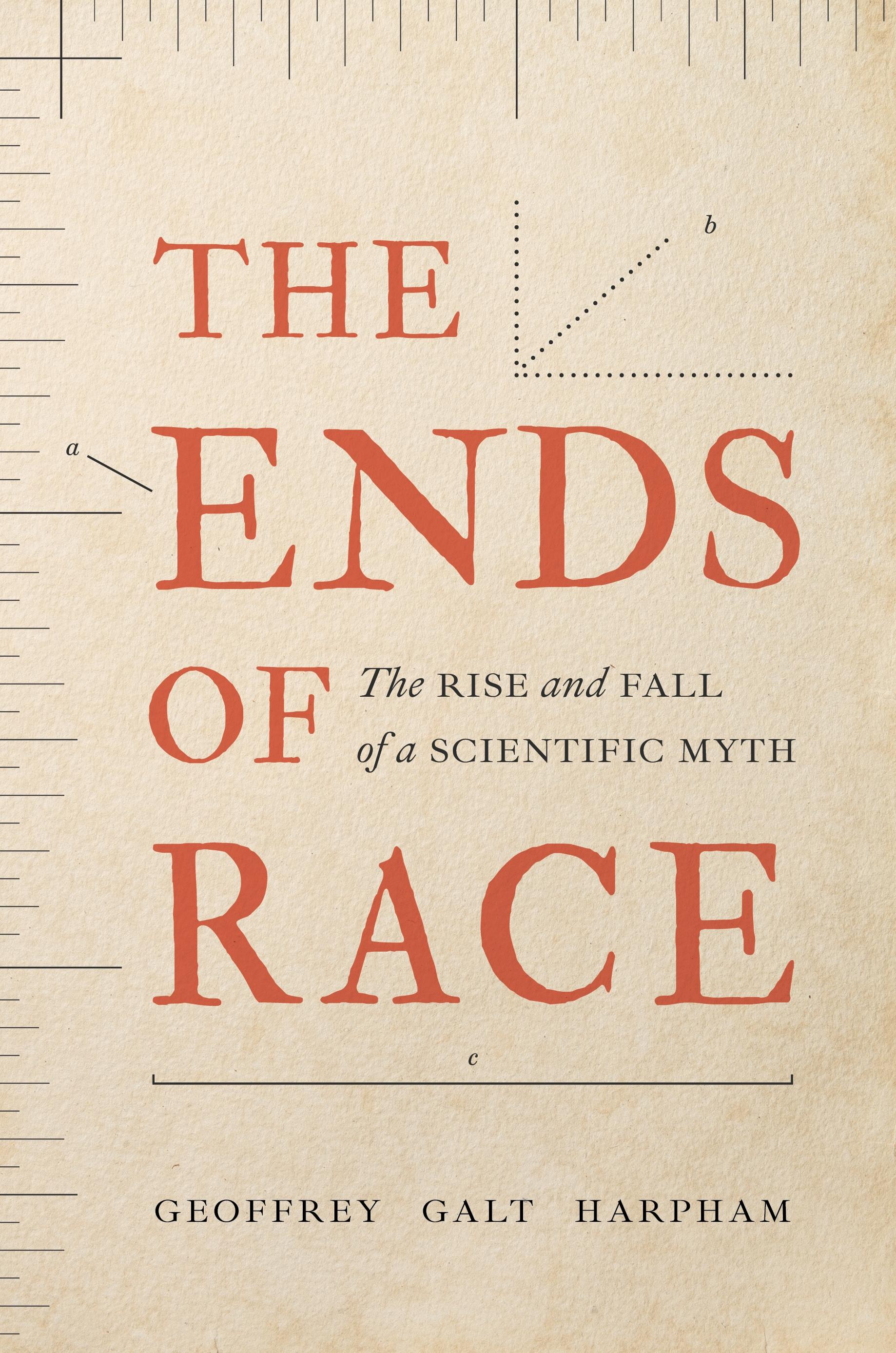
A new history of the scientific inquiry into race
The attempt to define the concept of race in the eighteenth and nineteenth centuries is often described as a corrupt “pseudo-science,” but in this strikingly original account, Geoffrey Galt Harpham describes the inquiry into race as a serious scientific project undertaken by some of the leading figures of the time. In a “skeletal history” of this project, Harpham tracks the rise and fall of racial science, focusing on the central role played by craniology, or the study of skulls, in key debates in Germany, the United States, and France.
Emerging at the end of the eighteenth century as a way of thinking about human variation, the concept of race became entangled in an extraordinarily wide range of scientific, philosophical, theological, and political debates about issues ranging from the place of humanity in the natural world to the rationales for colonization and slavery. But at the end of the nineteenth century, a number of prominent scientists came together to announce the failure of the century-long attempt to define race or even to locate racial markers in the human body—only to see the concept taken up by others, including W. E. B. Du Bois, who sought to preserve the concept as essential to the nonscientific ends of solidarity and identity.
With this probing and vivid narrative account of the scientific inquiry into human variation, Harpham provides a new way of approaching the history of race, introduces a host of previously little-known figures, explores the larger contexts and inner dynamics of the discourse on race, and questions the ends that the concept of race serves today.
Before Memmo my notes were scattered across PDFs. Now a workspace pulls everything into one place — I see exactly what's still left to study.
Memmo's summaries are gold before exams. I don't have to re-read 800 pages two weeks before — just the important parts.
The AI chat has saved me the night before an exam more than once. I just keep asking until I get it — no waiting on a study group to reply.
The quizzes hit exactly what I need to know. Memmo tracks what I get stuck on — so I only practice what's worth it.
Flashcards with spaced repetition are magic. Memmo knows when I'm about to forget something and brings it back.
The AI podcasts are my favorite. I listen on my way to school and get a recap without sitting at a computer.

Handbok i kvalitativa metoder
281 kr

Hållbar utveckling: en introduktion för ingenjörer och andra problemlösare
334 kr

Brymans Samhällsvetenskapliga metoder
390 kr

Projektledning
491 kr

Den orättvisa hälsan: om socioekonomiska skillnader i hälsa och livslängd
326 kr

Vetenskapsteori för nybörjare
196 kr

Organizational Leadership
429 kr

På väg mot läraryrket
172 kr

Det sociala livet i skolan: Socialpsykologiska perspektiv
253 kr

Betygsättningens didaktik
151 kr

Personality
402 kr

Studying Leadership
404 kr

Managing Innovation
477 kr

Introduktion till samhällsvetenskaplig metod
347 kr

The Psychology of Sex and Gender
698 kr

Evidens och kunskap för socialt arbete
207 kr

Introduction to Leadership
605 kr