
Before Memmo my notes were scattered across PDFs. Now a workspace pulls everything into one place — I see exactly what's still left to study.
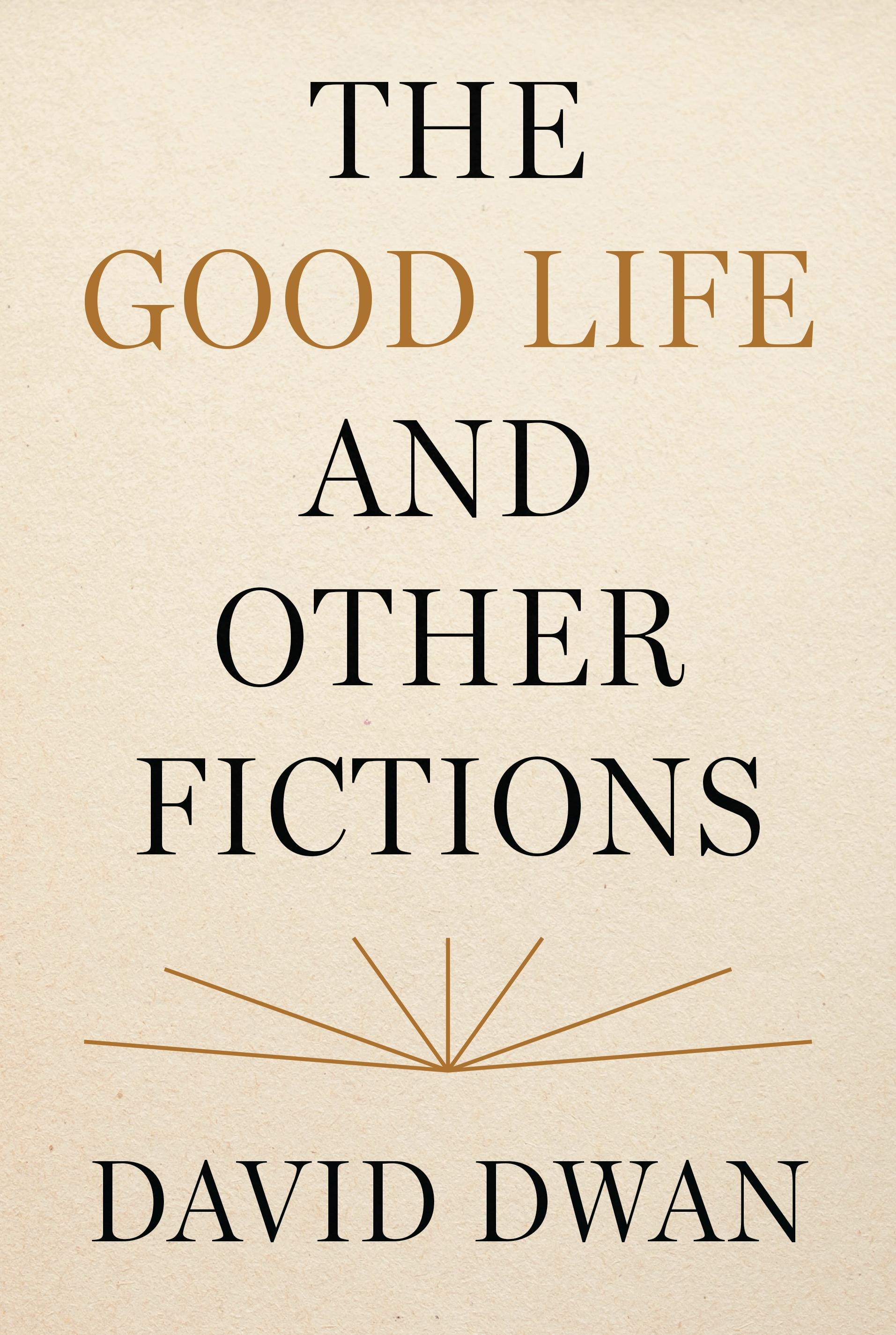
How novels attune us to the broader role of fiction in our lives—our everyday yet remarkable ability to think and live “as if”
Why do we weep at fictitious things? How do we act on the basis of them? How much of moral life revolves around make-believe? In The Good Life and Other Fictions, David Dwan shows how literary fictions confront us with the wider role of fictiveness in our lives—the storied character we give to experience, our reliance on ideation, idealization and metaphor, the ways we depend on ideas that we know to be untrue or are only true because we choose to believe in them. In an age of fake news and fake antifakery, Dwan argues that we need a more differentiated sense of the fictive. Fiction is not necessarily fraud, nor is it simply error and unreality. Indeed, it is often the source of what’s best about us—the space in which the good life is imagined and talked into being.
Drawing on over a century of literary fiction—and offering detailed studies of Charles Dickens, George Eliot, Henry James, Joseph Conrad, Virginia Woolf, Wyndham Lewis and Iris Murdoch—Dwan investigates different facets of fictional experience, from imaginative projection to wishful thinking to self-deception to lies. Novels, he contends, both express and expose the ways we see through illusion, spending much of our time in a twilight state between reality and unreality, credulity and doubt, assent and dissent. Interrogating the benefits and limits of a fictive attitude—our deep yet dangerous need to operate “as if”—Dwan makes a highly original contribution to the field of ethical criticism, and to our general understanding of how life is made livable through fiction.
Before Memmo my notes were scattered across PDFs. Now a workspace pulls everything into one place — I see exactly what's still left to study.
Memmo's summaries are gold before exams. I don't have to re-read 800 pages two weeks before — just the important parts.
The AI chat has saved me the night before an exam more than once. I just keep asking until I get it — no waiting on a study group to reply.
The quizzes hit exactly what I need to know. Memmo tracks what I get stuck on — so I only practice what's worth it.
Flashcards with spaced repetition are magic. Memmo knows when I'm about to forget something and brings it back.
The AI podcasts are my favorite. I listen on my way to school and get a recap without sitting at a computer.

Handbok i kvalitativa metoder
281 kr

Hållbar utveckling: en introduktion för ingenjörer och andra problemlösare
334 kr

Brymans Samhällsvetenskapliga metoder
390 kr

Projektledning
491 kr

Den orättvisa hälsan: om socioekonomiska skillnader i hälsa och livslängd
326 kr

Vetenskapsteori för nybörjare
196 kr

Organizational Leadership
429 kr

På väg mot läraryrket
172 kr

Det sociala livet i skolan: Socialpsykologiska perspektiv
253 kr

Betygsättningens didaktik
151 kr

Personality
402 kr

Studying Leadership
404 kr

Managing Innovation
477 kr

Introduktion till samhällsvetenskaplig metod
347 kr

The Psychology of Sex and Gender
698 kr

Evidens och kunskap för socialt arbete
207 kr

Introduction to Leadership
605 kr