
Before Memmo my notes were scattered across PDFs. Now a workspace pulls everything into one place — I see exactly what's still left to study.
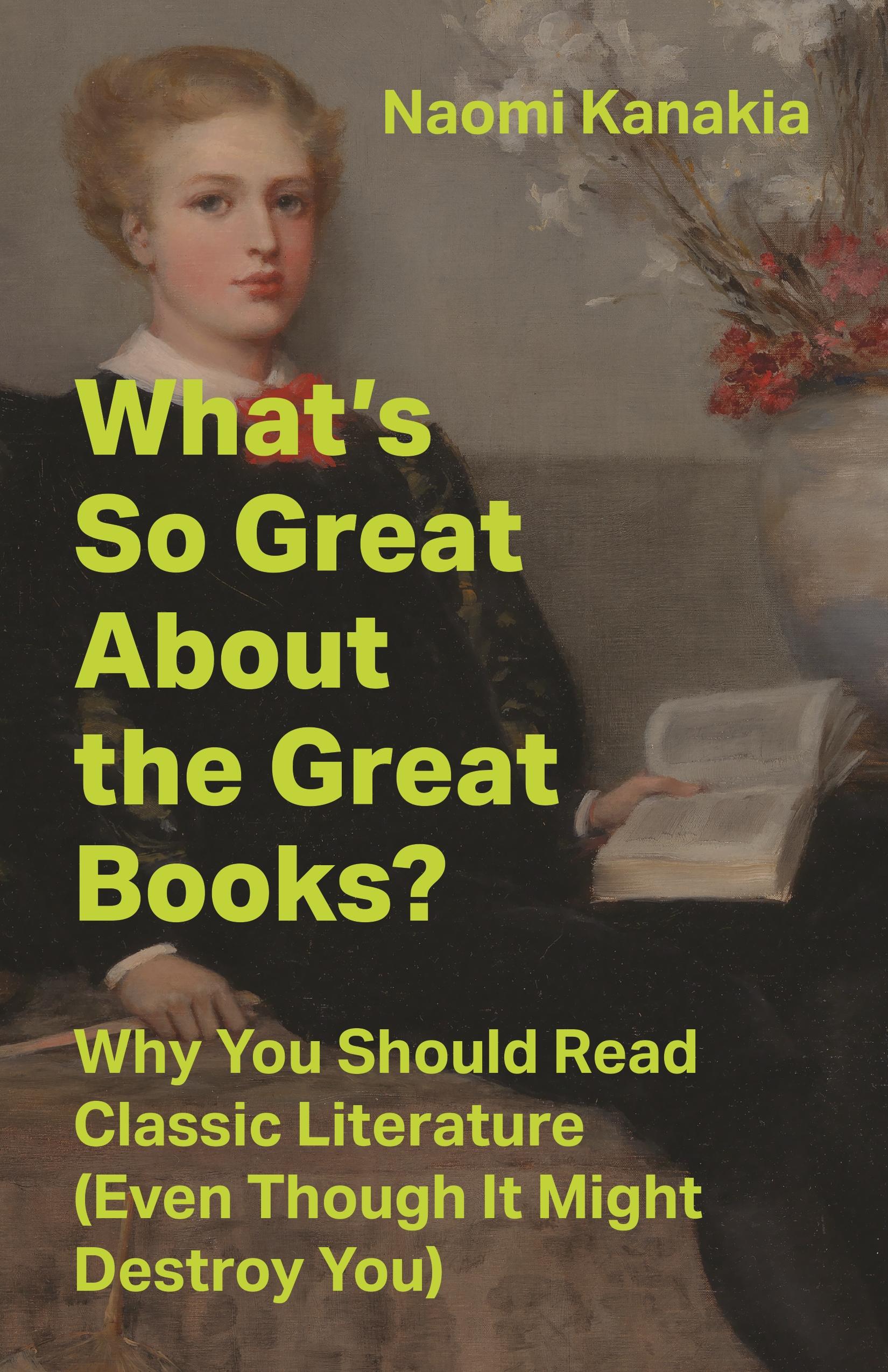
A popular novelist and literary blogger answers those who claim the classics are too difficult, too problematic, and too white—and explains what we gain by reading them
When she was in her early twenties, then-aspiring writer Naomi Kanakia set out to read the Great Books—humankind’s most highly regarded literary classics, representing “the best that human beings have thought or said,” as determined by the two elderly intellectuals who’d written the guidebook she consulted. After twenty years, she has made her way through about two-thirds of these books, and she’s found reading them to be an immensely pleasurable and insightful activity. Plato, Milton, Tolstoy, Proust, all those dead guys—their books have stood the test of time.
But since beginning her journey, Kanakia has found that although reading the Great Books is part of a longstanding tradition of engaging with the thought of previous generations, it is also a highly contingent activity that arose out of a specific time and place, the brainchild of a small group of early twentieth-century popularizers associated with Columbia University and the University of Chicago. And people have always been skeptical about the idea of reading the Great Books, asking if this is truly a realistic or even desirable goal for the ordinary person. A more recent and growing group of Great Books skeptics asks if these works are too problematic, reactionary, and irrelevant to bother reading. Kanakia, a self-described “left-of-center person,” grapples with these objections, attempting to restore context for the Great Books even as she sticks up for them. Because books that expose us to fundamental truths about the nature of beauty and reality are worth fighting for.
Before Memmo my notes were scattered across PDFs. Now a workspace pulls everything into one place — I see exactly what's still left to study.
Memmo's summaries are gold before exams. I don't have to re-read 800 pages two weeks before — just the important parts.
The AI chat has saved me the night before an exam more than once. I just keep asking until I get it — no waiting on a study group to reply.
The quizzes hit exactly what I need to know. Memmo tracks what I get stuck on — so I only practice what's worth it.
Flashcards with spaced repetition are magic. Memmo knows when I'm about to forget something and brings it back.
The AI podcasts are my favorite. I listen on my way to school and get a recap without sitting at a computer.

Handbok i kvalitativa metoder
281 kr

Hållbar utveckling: en introduktion för ingenjörer och andra problemlösare
334 kr

Brymans Samhällsvetenskapliga metoder
390 kr

Projektledning
491 kr

Den orättvisa hälsan: om socioekonomiska skillnader i hälsa och livslängd
326 kr

Vetenskapsteori för nybörjare
196 kr

Organizational Leadership
429 kr

På väg mot läraryrket
172 kr

Det sociala livet i skolan: Socialpsykologiska perspektiv
253 kr

Betygsättningens didaktik
151 kr

Personality
402 kr

Studying Leadership
404 kr

Managing Innovation
477 kr

Introduktion till samhällsvetenskaplig metod
347 kr

The Psychology of Sex and Gender
698 kr

Evidens och kunskap för socialt arbete
207 kr

Introduction to Leadership
605 kr